

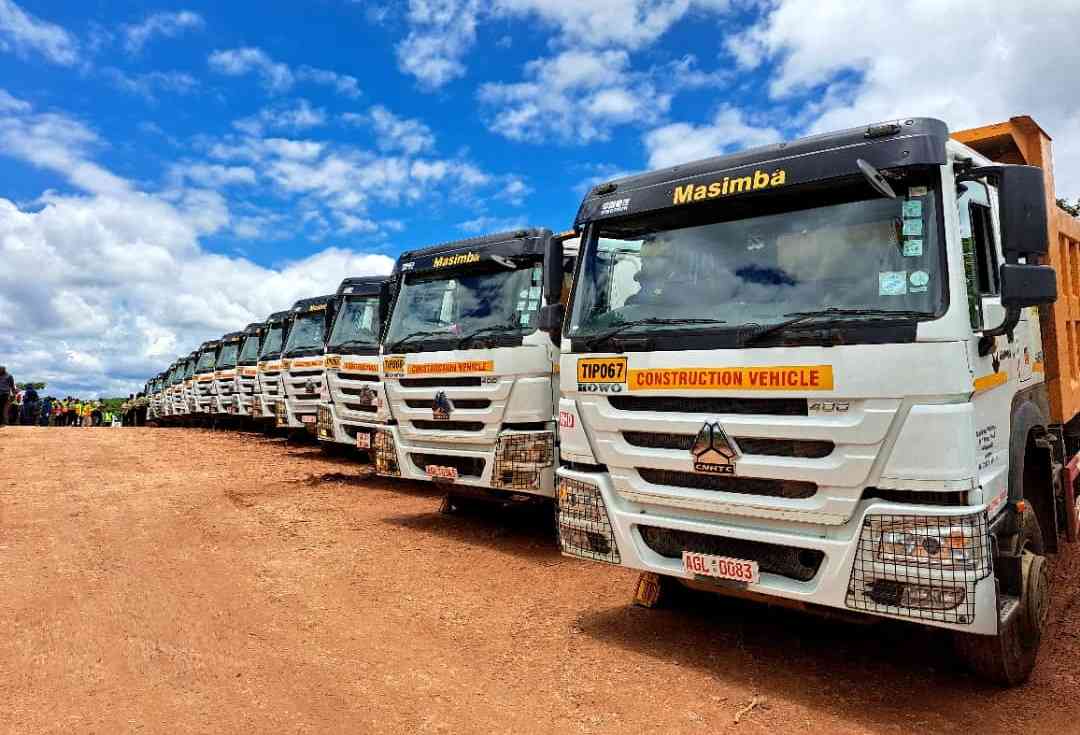
The anticipated returns could mark a turning point for the State-owned investment vehicle, which was established to unlock value from government assets and create long-term national wealth.
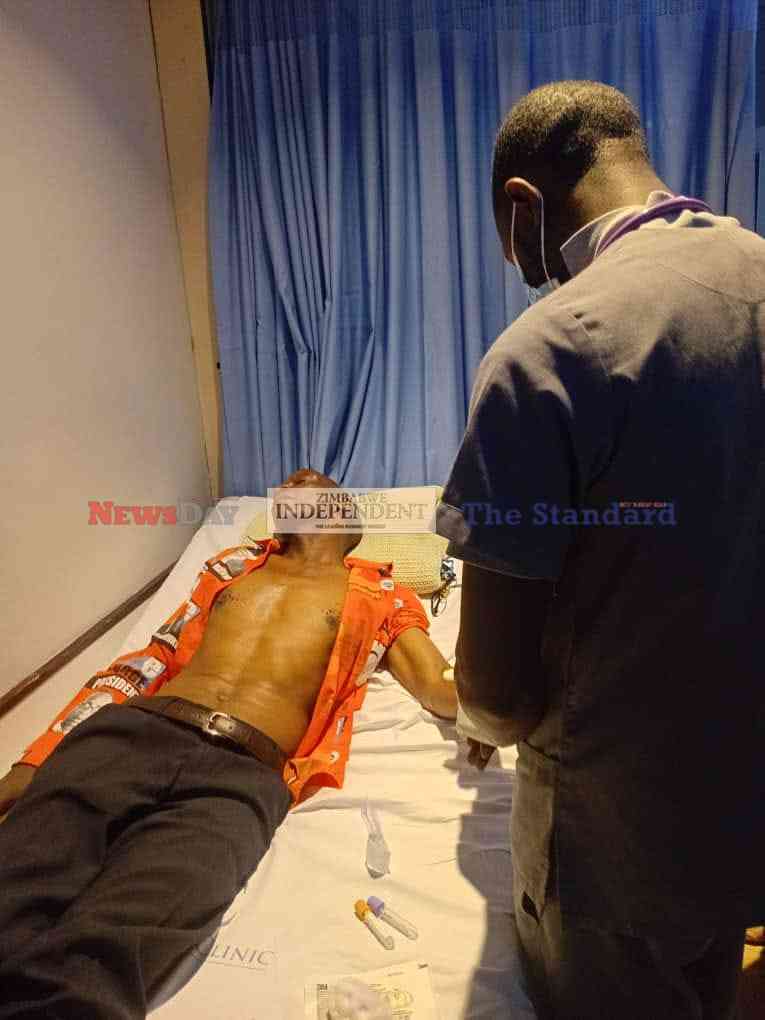
CAB 3 pushes Zim to the edge, Biti warns
Local News
By CLAYTON MASEKESA and KIRSTY SIBANDA
Jun. 12, 2026
CAB 3 pushes Zim to the edge, Biti warns
Local News
By CLAYTON MASEKESA and KIRSTY SIBANDA
Jun. 12, 2026
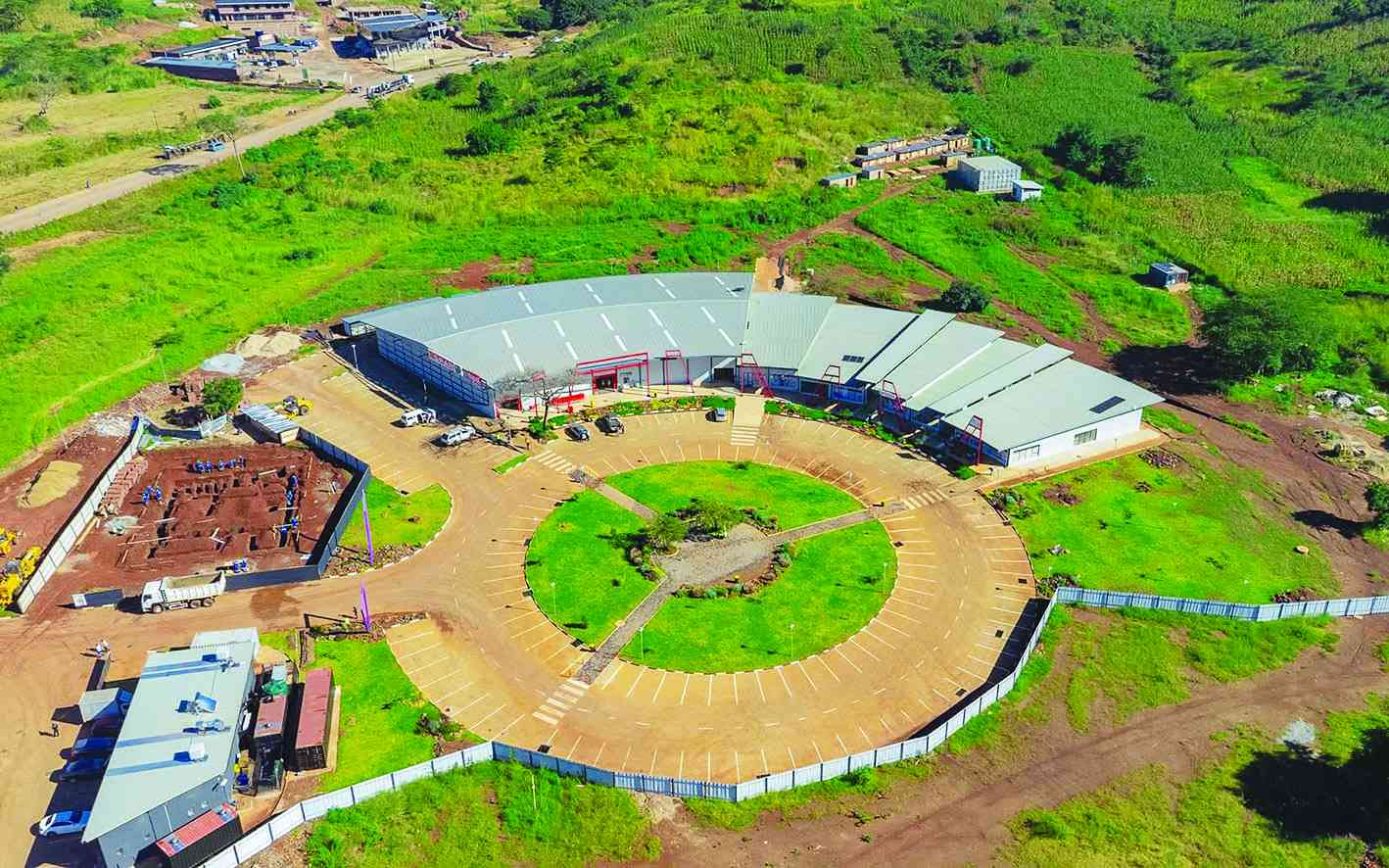














US$650 Million Investment Vision Reinforces Confidence in Zimbabwe’s Long-Term Growth Potential
Sponsored Content
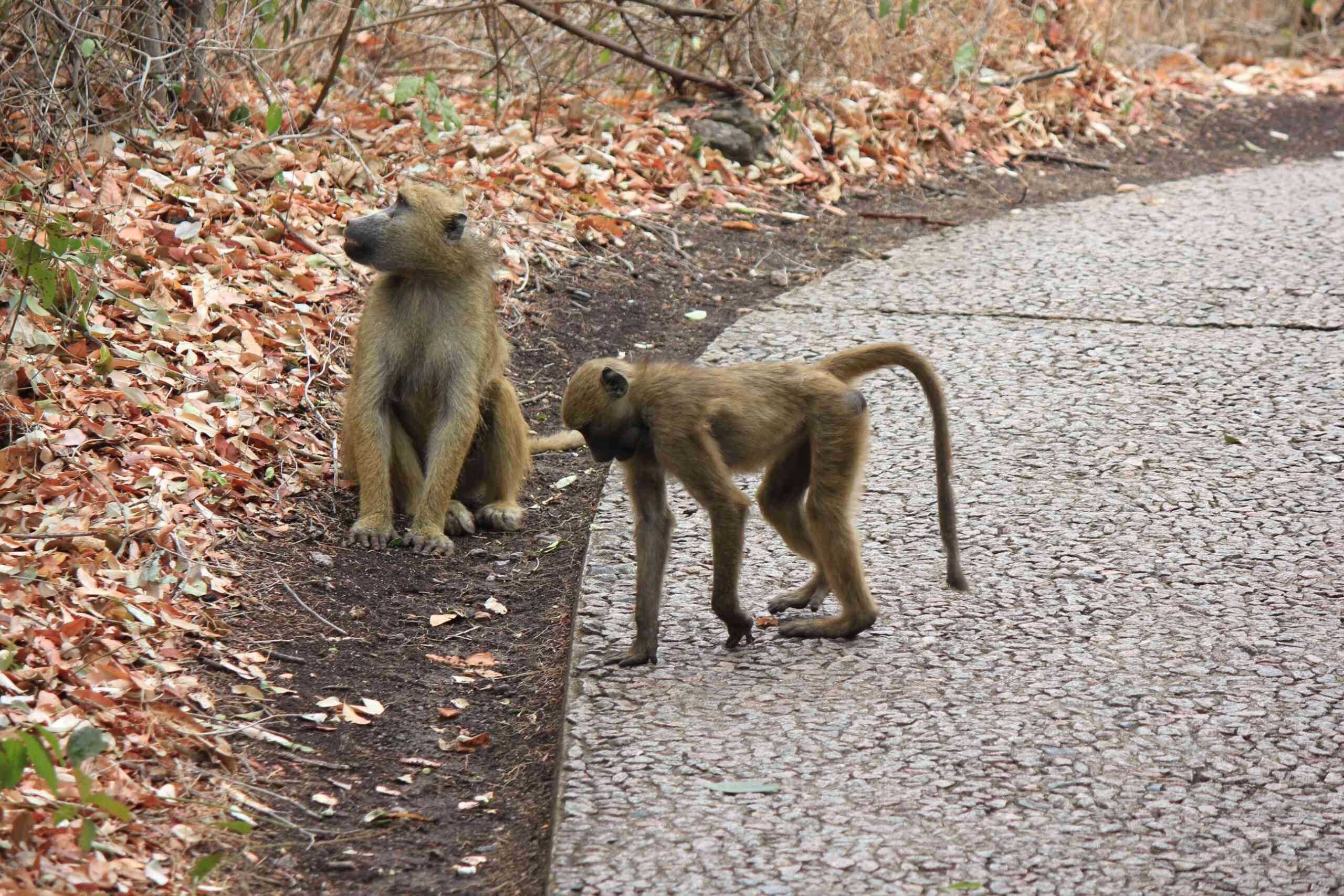
A glimpse into Zimbabwe Industrial Hemp Trust (ZIHT)
Sponsored Content
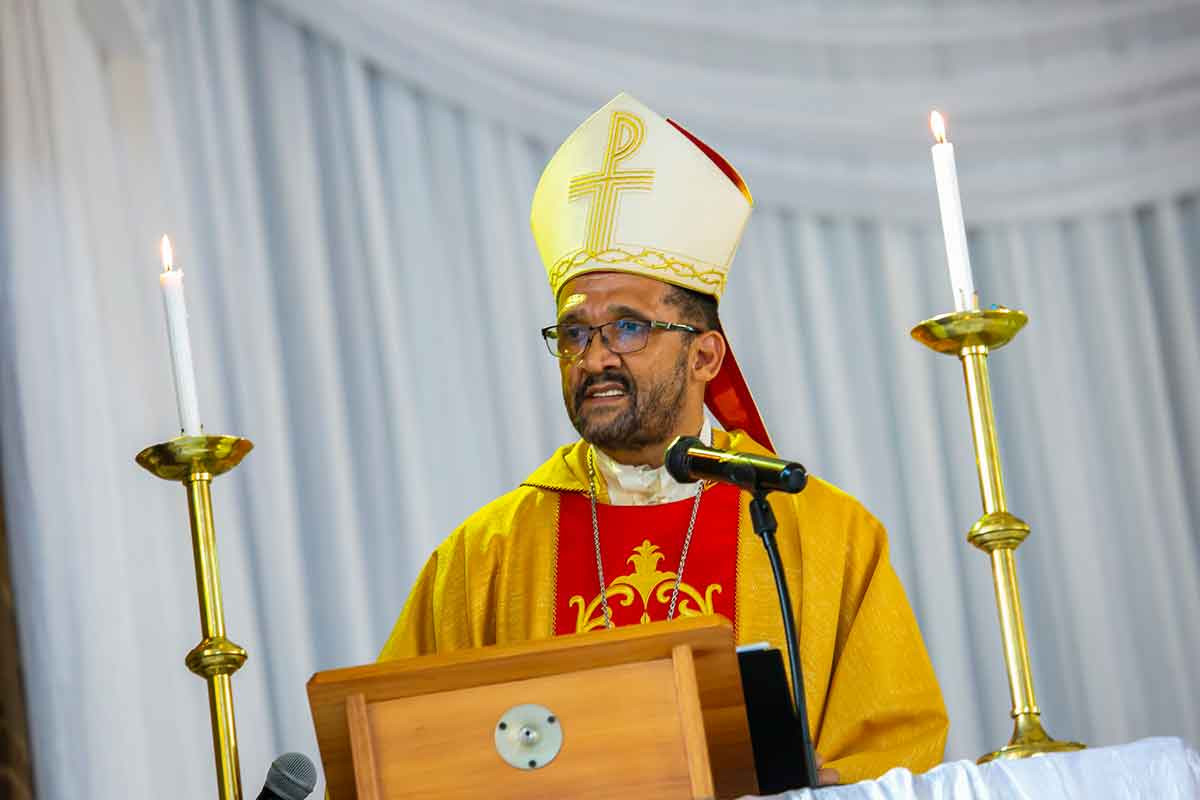
India’s Vision of the Indo-Pacific.
Sponsored Content
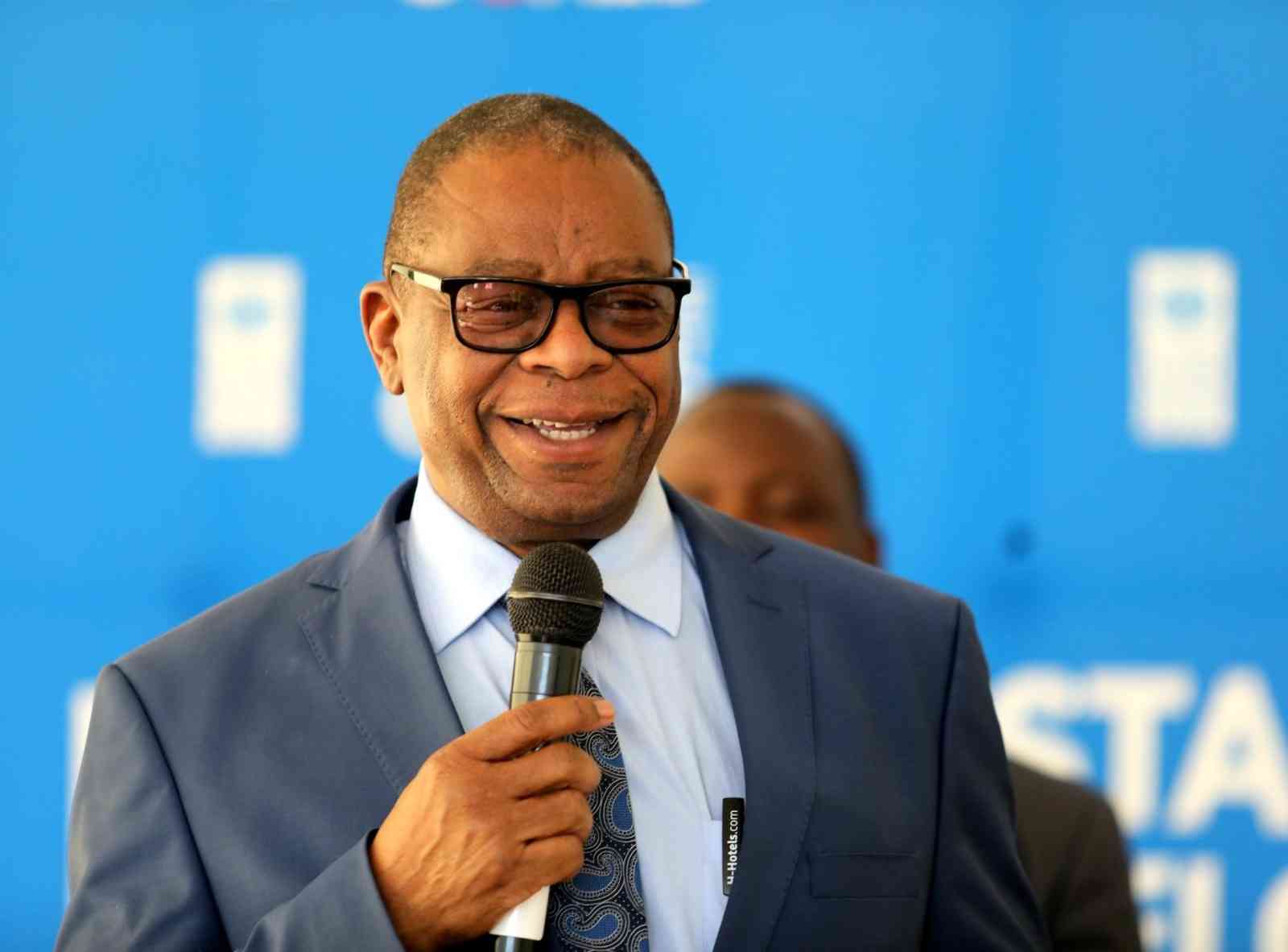
Global Recycling Day: A call to action for a sustainable future
Sponsored Content
Ambassador backs rabbit export drive as Zimbabwe eyes African markets
“We will support Zimbabwe to explore export markets within Africa,” she said. “The rabbit sector in Zimbabwe has the potential to create jobs and generate foreign currency.”
By Staff Reporter
Jun. 10, 2026

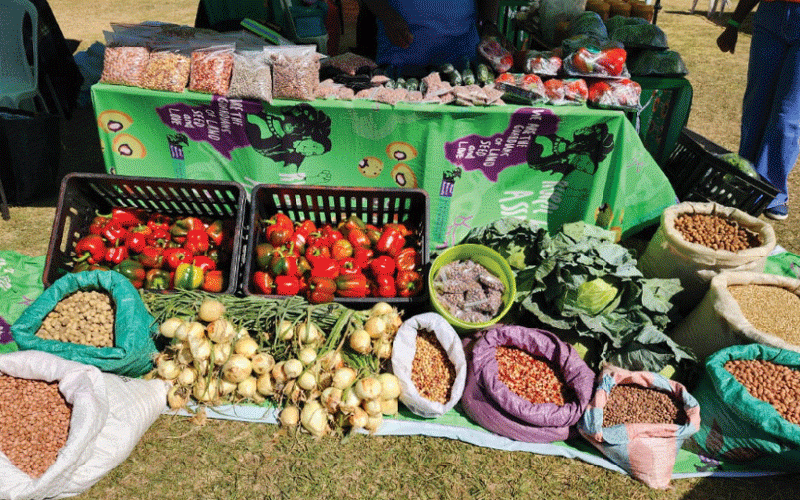
Agric, innovation and empowerment shine at WIFE festival
By Tendai Sauta
Jun. 6, 2026

Government extends winter wheat planting deadline
By Donald Nyandoro
Jun. 3, 2026

ZMX sees rising confidence as trades hit US$1,28m
By Blessed Ndlovu
May. 14, 2026


Thirty pieces of silver all for the betrayal of the Constitution
By Newsday
Jun. 11, 2026
The ZSE’s wake-up call has finally arrived
By Newsday
Jun. 8, 2026
The bullet cannot replace democracy
By Newsday
Jun. 6, 2026





Zimbabwe seeking US$150m AfDB loan to tackle debt default
By Bloomberg News
Jun. 11, 2026
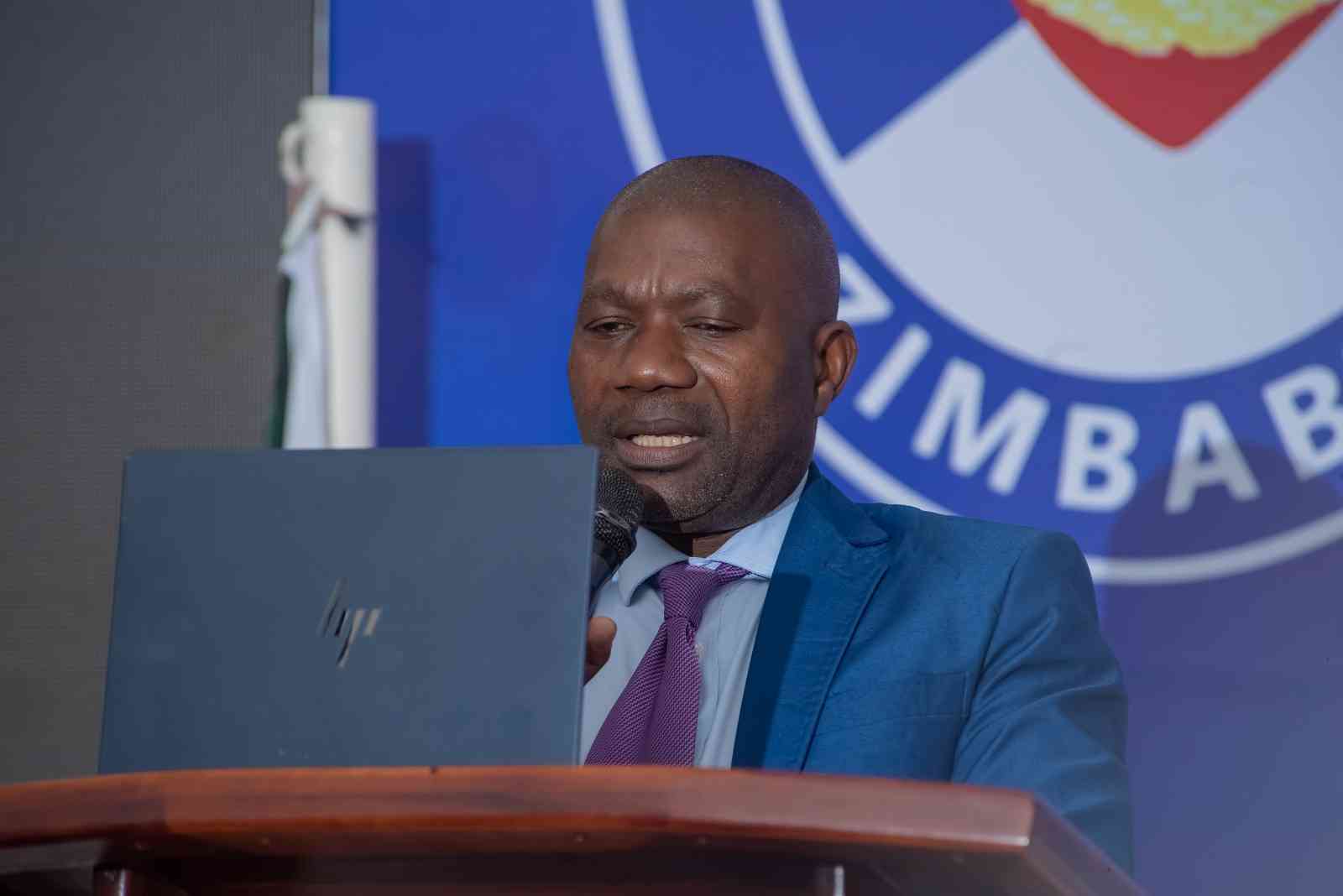
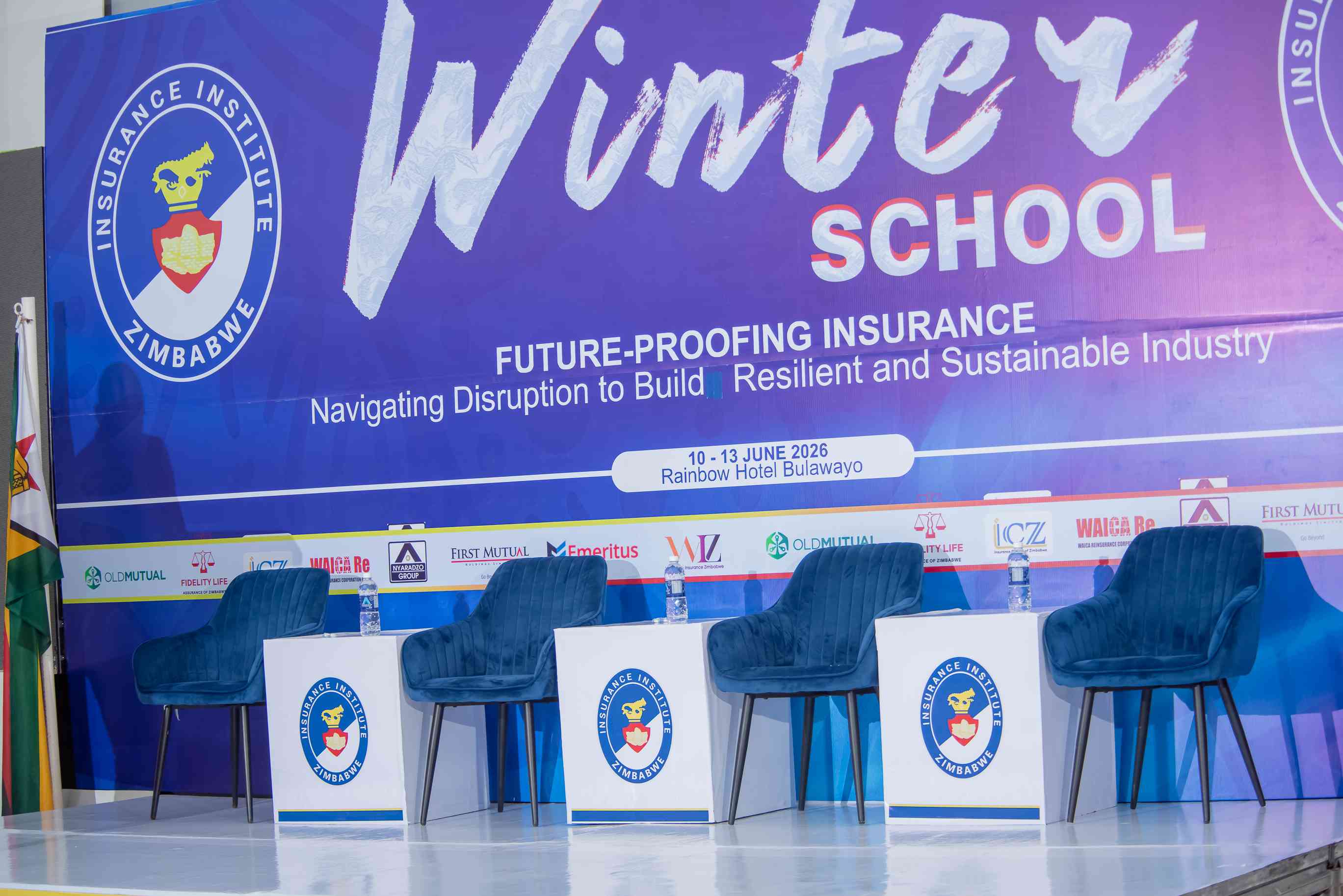
Insurance industry battling to stem trust deficit
By Donald Nyandoro
Jun. 11, 2026




.
Opinion




By NewsDay
May. 13, 2026

By NewsDay
May. 6, 2026

By NewsDay
Apr. 24, 2026

By NewsDay
Apr. 20, 2026

By NewsDay
Mar. 17, 2026

By NewsDay
Mar. 2, 2026

By NewsDay
Dec. 28, 2025

By NewsDay
Dec. 15, 2025

By NewsDay
Dec. 12, 2025

By NewsDay
Nov. 14, 2025

By NewsDay
Aug. 19, 2025

By NewsDay
Jul. 30, 2025
Political tensions at grasslands plots lead to violent attacks and forced eviction
A neighboring plot owner, speaking under condition of anonymity, disclosed the aftermath of Ocean's appearance at the rally.
By Staff Reporter
Sep. 17, 2025

VFEX stability masks underlying value
The ZSE has continued on as it left off in 2024 — slowly declining. This will continue while there is little to no ZiG liquidity.
By Imara Asset Management
Jan. 31, 2025
NewsDay cartoon 28 November, 2023 edition
By The Watcher
Nov. 28, 2023
Govt urges unity among lithium miners
By Mthandazo Nyoni
Jun. 1, 2023
Over 130 civilians killed by DR Congo rebels - UN
By BBC News
Dec. 8, 2022
Opaque Chinese deals: Mthuli taken to task
By admin
Aug. 29, 2022
Power outages, raw material shortages hit ART operations
In a financial update for the third quarter to June 2022, the manufacturer said the exports and paper divisions volumes declined by 6% and 26%, respectively.
By The NewsDay
Aug. 17, 2022
Zanu PF likely to ambush Zim towards referendum
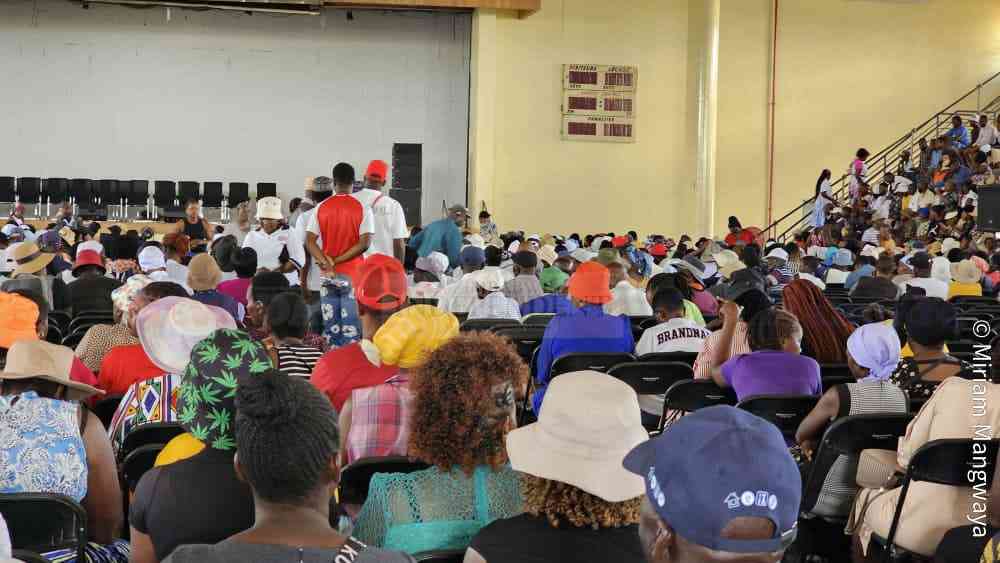
Participants expressed frustration over lack of accessible simplified information about the Bill, noting that many Zimbabweans remain unaware of its content and implications.
By AMH Voices
Apr. 2, 2026

Agency Gumbo: The constitution is the people’s last line of defence
It emerged from decades of demand for accountable government, democratic participation, constitutional restraint and the protection of fundamental rights.
By The Standard
Jun. 10, 2026
Pavcon embraces AI to drive innovation
By Staff Reporter
Jun. 10, 2026
Future doctor battles cancer while chasing her dream
By GILBERT MUNETSI
Jun. 9, 2026
War vets hit Mnangagwa again
By Sydney Kawadza
Jun. 7, 2026
Premium
National Foods invests US$25m in local milling
By Blessed Ndlovu and CONCILIA MUPEZENI
Jun. 7, 2026
Zebra Revolution using football to change lives
While many clubs measure success through trophies and league positions, Zebra Revolution has built its identity around youth empowerment.
By JEFFREY MUVUNDISI
22h ago
Bulawayo creatives break the internet
By MTHULISI KHULUGATSHENI NDLOVU
Jun. 12, 2026
Young designer using fashion to inspire confidence
By SUKUOLUHLE NDLOVU
Jun. 12, 2026
Bulawayo queen sets sights on global crown
By Nizbert Moyo
Jun. 12, 2026
Jeys Marabini grateful for lifetime honour
By Langelihle Nyathi
Jun. 12, 2026
Integration of traditional land custodianship into ESG reporting

Now, as Zimbabwe continues to improve ESG reporting and sustainability standards, there is an opportunity to combine traditional land custodianship with modern governance systems.
By Ephraim Chawoneka
Jun. 12, 2026




GET OUR NEWSLETTER
Subscribe to our newsletter and stay updated on the latest developments and special offers!
CONNECT WITH US




SUPPORT INDEPENDENT JOURNALISM
