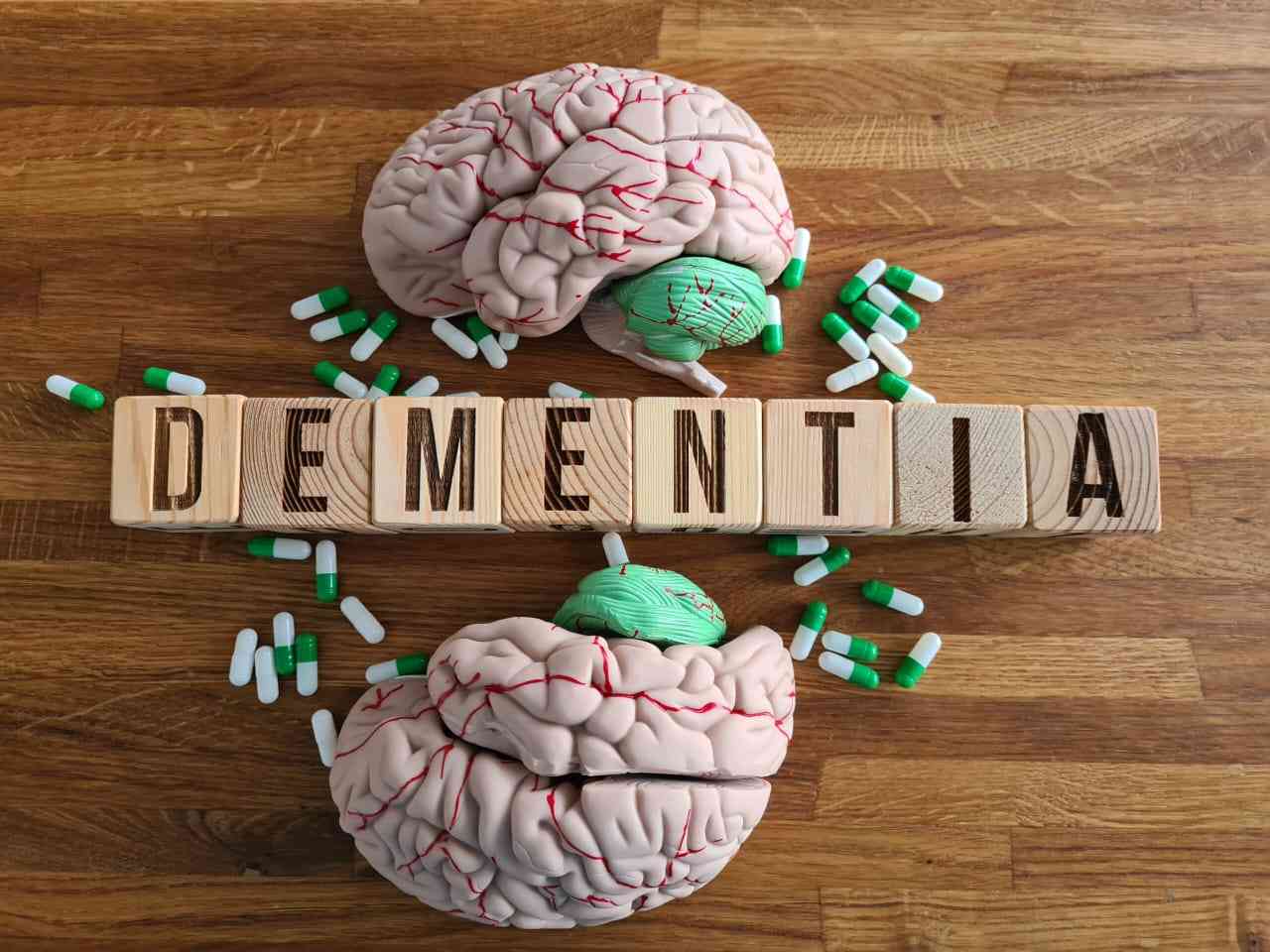
SENATORS have called for urgent government intervention to tackle the growing burden of dementia and Alzheimer’s disease in the country, warning that thousands of elderly citizens are suffering in silence amid stigma, inadequate healthcare services and a lack of national policy.
Debating a motion tabled by Senator Angeline Tongogara in the Senate recently, lawmakers described dementia as an emerging public health crisis that threatens not only the wellbeing of older persons, but also the social and economic fabric of the country.
Senator Teresa Kabondo said Zimbabwe was witnessing demographic shifts as more people live longer, bringing new health challenges that require immediate attention.
“Among them is the rising burden of dementia and Alzheimer’s conditions that erode memory, cognition, behaviour and ultimately, a person’s dignity and independence,” she said.
Kabondo expressed concern that the conditions remain largely misunderstood, noting that more than 75% of dementia cases in Africa go undiagnosed.
“Many families see symptoms like memory loss, confusion or personality changes as normal for ageing or worse as witchcraft or spiritual affliction.
“The result is stigma, neglect and isolation for people who need care and compassion.”
She urged the government to launch nationwide awareness campaigns and establish a National Dementia Strategy to co-ordinate diagnosis, treatment, caregiver support and rehabilitation services.
- Bruce Willis has frontotemporal dementia. What is FTD?
- The tragic state of Zim’s dementia patients
- Mental Health: Impact of dementia on individuals, families and communities
- Bail out Zupco, says Zanu PF senator
Keep Reading
Senator Annah Shiri echoed similar concerns, saying dementia was already affecting thousands of Zimbabweans.
“The statistics clearly indicate that dementia is affecting a significant number of people,” she said.
“Currently, 27 377 individuals have been diagnosed with dementia.”
Shiri warned that projections indicate the number could rise to more than 80 000 by 2050, representing an increase of nearly 200%.
She said many families still struggle to accept dementia as a medical condition, resulting in neglect of affected relatives.
“Unfortunately, some affected individuals may even commit crimes and many are being neglected by their families,” she said.
Shiri also highlighted the stigma surrounding the disease, saying many sufferers are labelled witches or ostracised within their communities.
“We must educate our communities about dementia to foster acceptance and support for those affected.”
Former Public Service minister and Senator Prisca Mupfumira described dementia as an issue that has “lived too long in the shadows of our national health discourse”.
She painted a grim picture of the conditions faced by many elderly Zimbabweans, citing poor living standards in old people’s homes, inadequate healthcare services and meagre pension payouts.
“We have only a handful of government-supported residential facilities,” she said.
“The majority are supported or operated by NGOs [non-governmental organisations], faith-based organisations or private entities.”
Mupfumira said the country was ill-prepared to deal with a rapidly ballooning ageing population and warned that growing numbers of elderly citizens were finding themselves isolated and impoverished.
“Zimbabwe does not yet have the infrastructure, the funding, or the policy architecture to care for a rapidly ageing population.”
She further highlighted the disproportionate burden carried by women, who often sacrifice employment and personal wellbeing to care for relatives living with dementia.
“When women bear the overwhelming majority of this burden without support, without policy recognition and without financial protection, we are effectively taxing our women for the failures of our public health system,” she said.
Mupfumira also called for the inclusion of elderly healthcare provisions in the long-awaited National Health Insurance Bill and advocated stronger investment in prevention through healthy diets, exercise, quality sleep and lifelong learning.
Senator Apollonia Munzverengwi said lack of public understanding was worsening the plight of people living with dementia.
“Sometimes they say maybe the elderly person is not mentally sane. Sometimes other stories are said because people do not understand,” she said.
She called on the Health and Child Care ministry to develop programmes that support patients and educate families on how to care for affected relatives.
“Sometimes the elderly are dumped by the roadside and at times they are neglected, but we need to understand that this is how dementia is and how it affects the elderly.”
Senator Tawanda Bvumo described dementia as a constitutional, social and humanitarian challenge that requires urgent policy action.
“Dementia is not merely a medical condition. It is a social, economic and humanitarian challenge,” he said.
Bvumo said misconceptions surrounding memory loss and behavioural changes often lead to delayed diagnosis and unnecessary suffering.
“The measure of a civilised society lies not only in how it nurtures the young, but also in how it honours, protects and cares for its elderly citizens.
“A nation that forgets its elderly loses part of its own memory.”
Throughout the debate, senators repeatedly called for a comprehensive National Dementia Strategy, expanded public awareness campaigns, specialised healthcare services, improved support for caregivers and increased investment in research.
The lawmakers warned that without decisive action, Zimbabwe could face a sharp rise in dementia cases over the coming decades, placing greater pressure on families, healthcare systems and social welfare structures.