MOVING to a new town for university always brings a wave of anticipation, but for thousands of students arriving at the Midlands State University (MSU) Zvishavane Campus, the ultimate test has nothing to do with their academic coursework.
Instead, it is a daily, nerve-wracking lesson in wildlife survival.
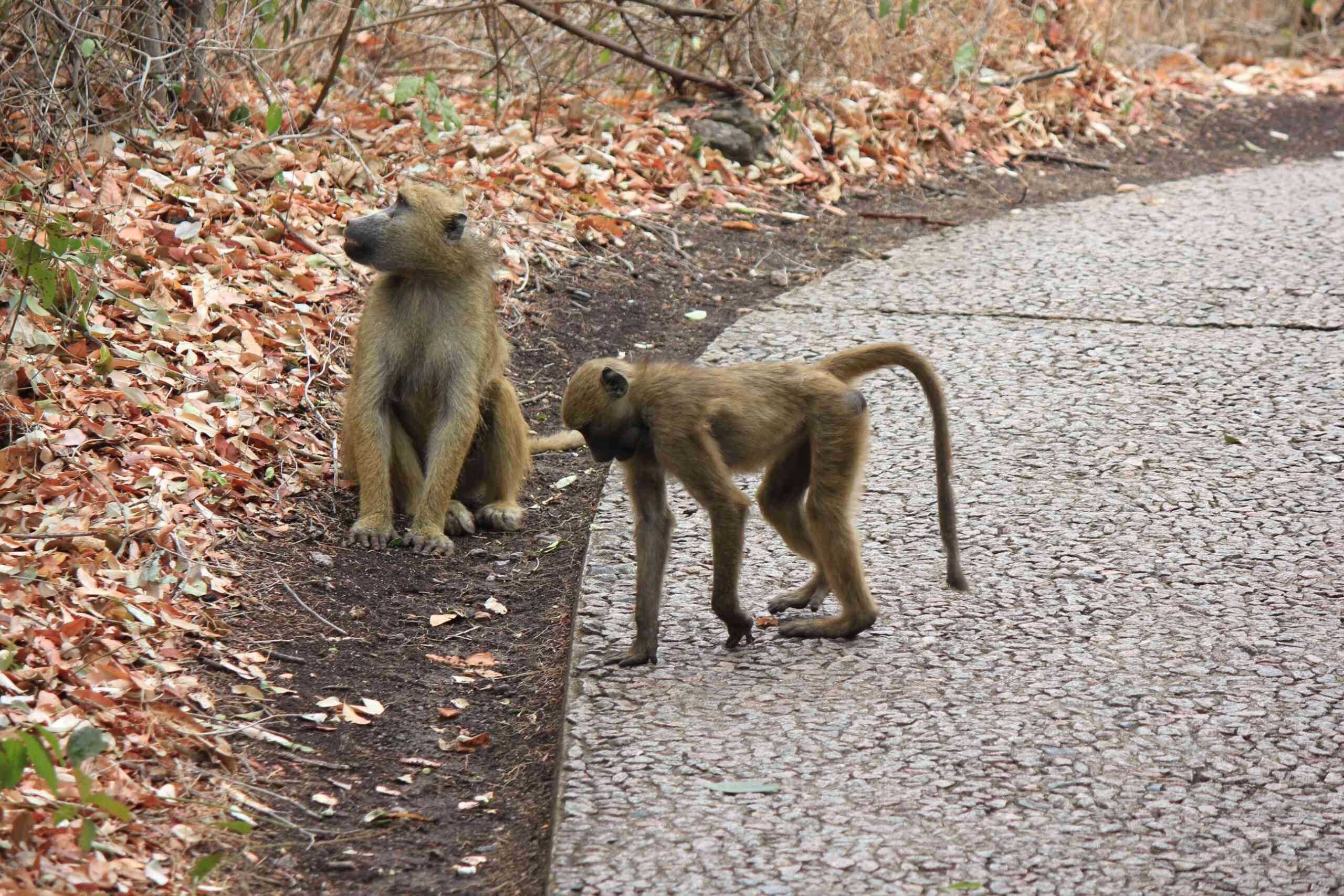
Driven into residential areas by severe dry seasons and recurring droughts that have stripped the surrounding bushlands of food, large, aggressive troops of Chacma baboons have claimed the town as their own.
While long-term locals have watched this crisis brew over years, it is the university’s student population that is bearing the brunt of a severe culture shock, facing an animal threat they never anticipated.
A vast majority of MSU Zvishavane students come from major metropolitan hubs like Harare and Bulawayo.
Raised in entirely urban environments, they arrive completely unprepared for the boldness of the primates.
The trouble begins right on campus grounds.
The baboons have associated students with easy meals, and they no longer restrict themselves to the surrounding forests.
- Feature: Zim-A country at yet another crossroads
- ‘Tourism on the rebound’
- The state of football in Zimbabwe
- Feature: Feared Nyau dancers try to change public image
Keep Reading
They actively invade learning areas, entering lecture blocks and corridors, completely disrupting classes and study sessions.
Even the iconic campus “friendship benches” — traditionally a place for students to rest, debate, and socialise between lectures — have been hijacked.
“Back home in Harare, the biggest thing you worry about on campus is passing your exams," said Tatenda, a second-year Peace Studies student.
“Here, you have to constantly look over your shoulder.
“I was sitting on the friendship benches eating lunch, and a massive baboon literally lunged across the table and snatched the food right out of my container.
“I was terrified. I didn’t know whether to scream or run.”
The fear follows students past the university gates and into the surrounding residential suburbs.
Neighbourhoods like Chinda Heights, Noevale, Hillside and Birthday — which host the bulk of off-campus student boarding houses — have become frontline combat zones.
The primates have grown incredibly destructive, committing blatant home invasions to access student groceries.
For many students, the encounters have resulted in severe financial loss and property damage.
Without parental supervision or deep financial safety nets, managing the cost of broken property and stolen food is pushing many to the brink.
“I came back from campus last week to find my room completely trashed,” shared Kudzai, a Development Studies student renting a room in Chinda Heights.
“A troop had broken the glass window pane to get inside.
“They tore up my notebooks, smashed my plate, and went away with an unopened 10kg bag of mealie-meal, cooking oil, and sugar.”
She added: “As a student on a tight budget, losing that food means I’m basically starving until the month ends.
“The landlords don’t replace the broken glass quickly, leaving us exposed.”
Another student, Tariro, who resides in Noevale, recounted a similar nightmare: “They took my entire week’s worth of cooked food right out of the pot.
“I forgot to latch the door securely when running out to a morning group discussion. They squeezed through, overturned the stove and what was left behind was chaos.
“It’s not just the stolen food; it’s the sheer aggression. If you walk down the street carrying a grocery bag, they will stalk you and corner you until you drop it.”
Adding to the nightmare is Zvishavane’s notoriously unpredictable and harsh weather.
When temperatures soar into intense, humid heatwaves, the natural instinct in crowded student hostels is to open all windows and doors for air to flow.
In these suburbs, however, an open window is a direct invitation for a break-in.
This has forced students into a miserable dilemma.
“The hostels turns into a furnace inside,” says Nicole Mhlanga, an Engineering student renting a small back room in Hillside.
“The weather here changes constantly —it can be intensely hot and humid. But we are forced to keep every single window shut tight and the doors locked, even when we are inside trying to study for exams.”
She added: “The ventilation in our hostels is incredibly poor.
“You sit there sweating through your clothes, feeling suffocated.
“Our lives are a misery, but it’s the only way to keep the animals from tearing up our books and laptops.”
Faced with the double threat of psychological terror and unbearable living conditions, students are refusing to remain passive victims.
A massive internal displacement is occurring across the student community as they actively abandon the compromised neighbourhoods.
Suburbs like Chinda Heights and Birthday are seeing an exodus of student tenants, who are opting to relocate to safer, more secure areas.
The primary destination for those who can afford it is the newly constructed Varsity Heights complex, designed with modern security features that keep wildlife at bay.
Other students are fleeing to low-density suburbs like Eastlea.
Because these areas are geographically further from the baboons’ traditional bush migration corridors and feature better property fencing and secure housing designs, they offer the peace of mind that the town’s peri-urban fringes completely lack.
“I couldn’t take the stress anymore,” said Cathrine Zimuto, who recently packed her belongings from her Birthday boarding house to move to Eastlea.
“In Birthday, I felt like I was being hunted every time I walked home with bread.
“Moving to a low-density area means paying a bit more, but my windows can finally be open, my food is safe, and I can sleep through the night without hearing animals rattling the rooftop.
“For MSU students here, safety has become the ultimate luxury.”