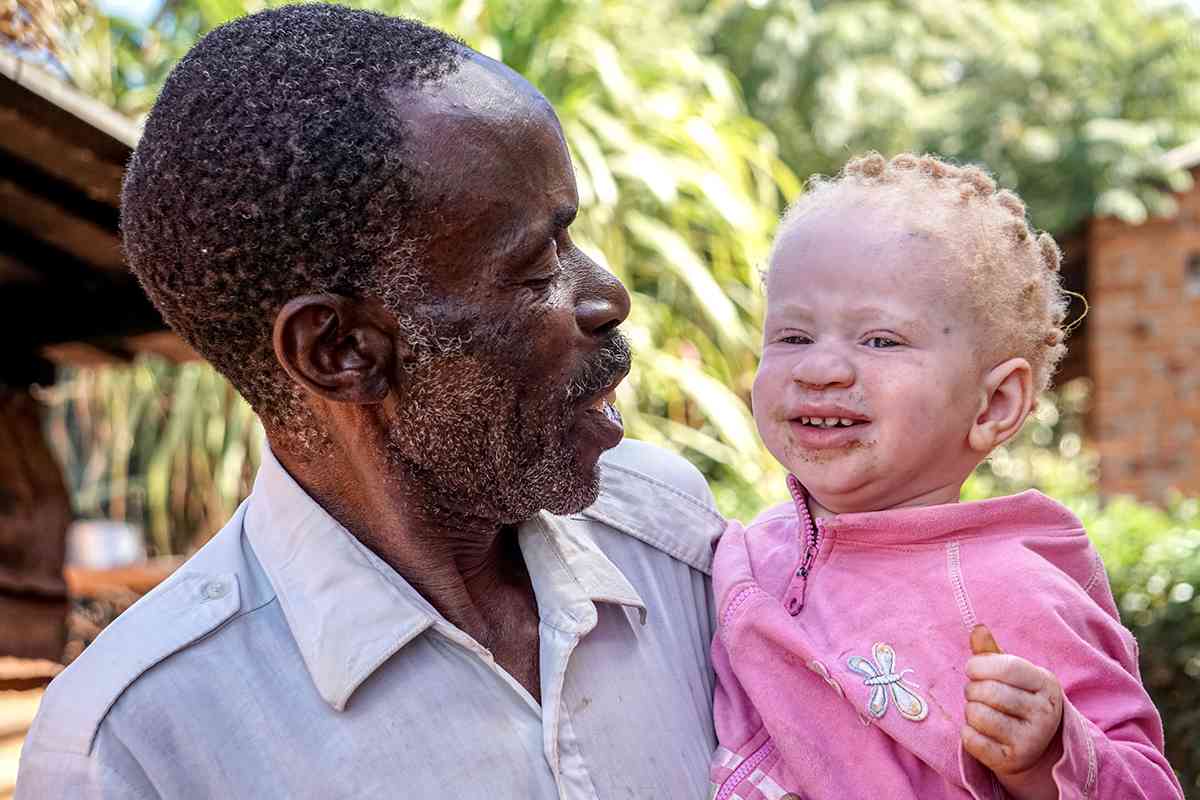
The United Nations has urged Zimbabwe to treat access to sunscreen, eye care and skin cancer screening for people with albinism as fundamental rights rather than optional services, warning that thousands remain exposed to preventable health risks and discrimination.
Marking International Albinism Awareness Day, the UN Resident Coordinator in Zimbabwe said life-saving resources were “not luxuries” but essential healthcare needs for the more than 9,700 Zimbabweans living with albinism.
In a statement issued Friday, the UN said many people with albinism continued to face heightened risks of skin cancer and visual impairment because of limited access to protective clothing, affordable sunscreen, specialised eye care and routine health screenings.
Although albinism affects an estimated one in 17,000 to 20,000 people globally, prevalence rates in sub-Saharan Africa are significantly higher, reaching as many as one in 1,000 people in some communities. Zimbabwe’s 2022 Population and Housing Census recorded at least 9,700 people living with the condition.
The UN said the challenges extended beyond healthcare, with harmful myths and entrenched stigma continuing to exclude people with albinism from education, employment and community life.
“Prejudice, stigma, and harmful myths continue to shape daily realities, limiting access to education, healthcare, employment, and full participation in society. These are not only barriers to inclusion; they are violations of fundamental rights,” the statement said.
The UN acknowledged progress made by Zimbabwe through stronger legal protections, including the recently enacted Zimbabwe Persons with Disabilities Act, as well as advocacy efforts by organisations such as the Albinism Dare to Dream Initiative, the Zimbabwe Albino Association and the Alive Albinism Initiative.
However, it cautioned that legislation alone would not end discrimination and health inequalities.
- COP26 a washout? Don’t lose hope – here’s why
- Under fire Mnangagwa resorts to Mugabe tactics
- How will energy crunch transition impact transition to renewables?
- COP26 a washout? Don’t lose hope – here’s why
Keep Reading
Calling for action guided by the UN Disability Inclusion Strategy and the Convention on the Rights of Persons with Disabilities, the Resident Coordinator urged government, civil society, faith leaders and communities to accelerate efforts to ensure people with albinism can live in safety and dignity.
The UN identified four priority areas: expanding access to essential healthcare services, including affordable sunscreen and specialised eye care; strengthening public education campaigns to dismantle harmful myths and stigma; promoting inclusive education and employment opportunities; and ensuring people with albinism are fully integrated into social protection systems.
“On this International Albinism Awareness Day, let us move beyond awareness to action and reaffirm our shared responsibility to build a Zimbabwe where every person with albinism can live in safety, health, dignity and equality,” the statement said.