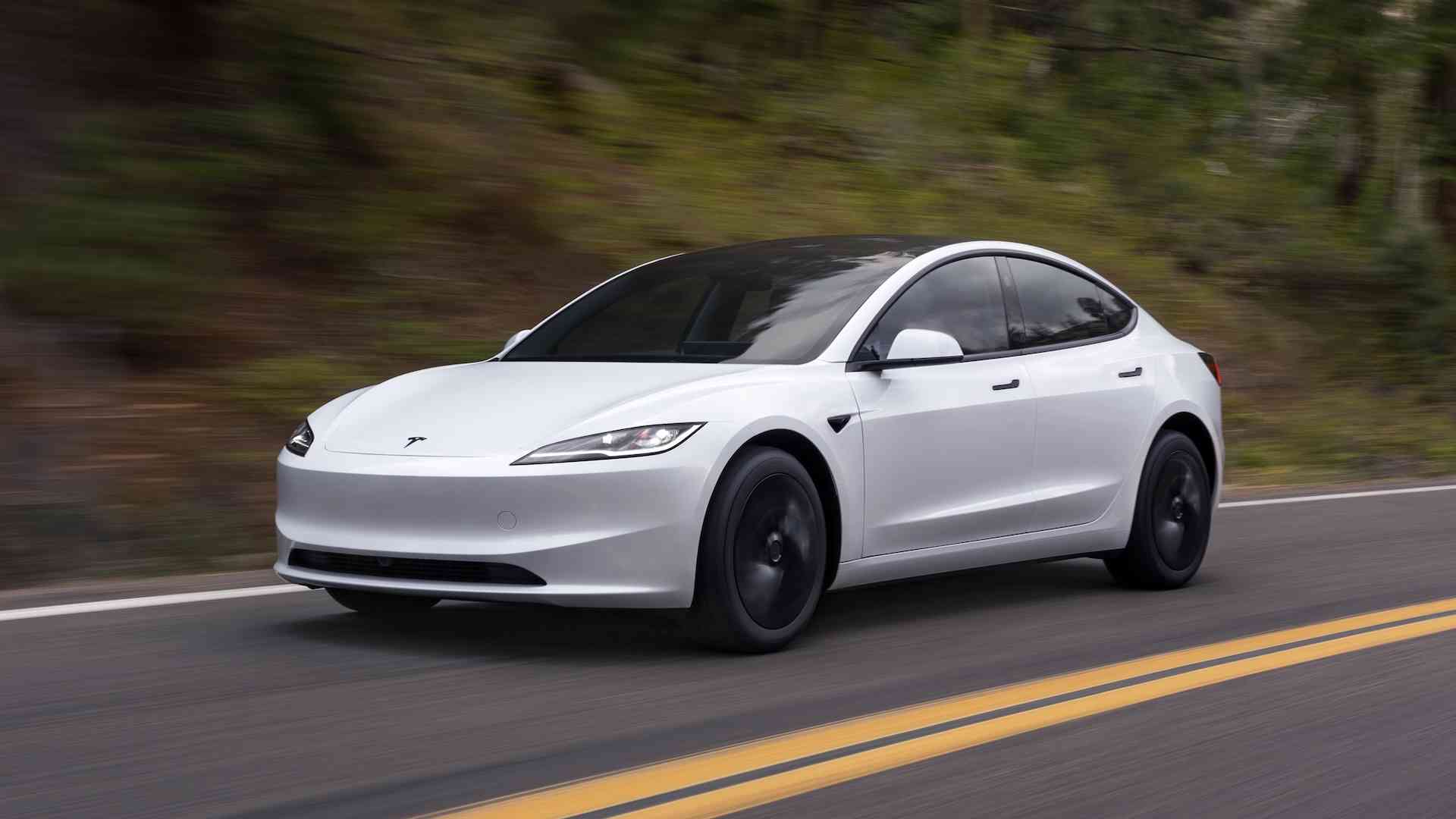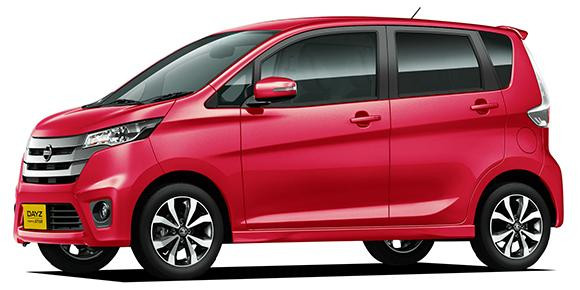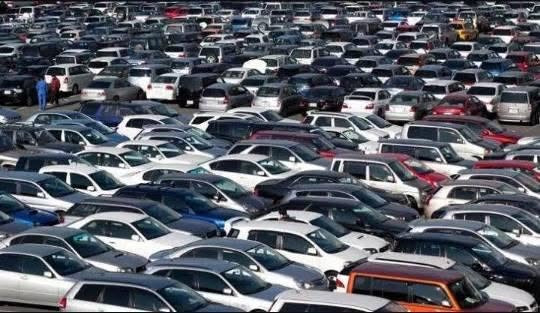
The landscape of Zimbabwe’s urban roads and highways is undergoing a striking transformation, as the long-standing sight of aging, sputtering and breakdown-prone vehicle imports is rapidly fading, replaced by a wave of sleek, modern models.
This visible shift is the direct result of the strict enforcement of the 10-year motor vehicle import restriction by the government through the Zimbabwe Revenue Authority (Zimra) and the Ministry of Industry and Commerce.
First introduced to clear dead-beat cars from the open general import licence and further reinforced by recent statutory instruments, the policy prohibits the importation of second-hand passenger and light commercial vehicles aged 10 years and above from their date of manufacture.
A drive through the streets of Harare, Bulawayo and Gweru confirms that the policy is yielding tangible results, bringing a fresh aesthetic and a massive structural upgrade to the country's transport ecosystem.
For over a decade, Zimbabwe functioned as a primary destination for older, high-mileage pre-owned vehicles from Asia and Europe, but today, that narrative has completely changed as car dealerships and private importers have shifted their focus to newer, post-2016 models.
While the aesthetic upgrade is undeniable, the benefits stretch far beyond looks because these newer models come equipped with advanced technology, better fuel efficiency and superior safety features, giving Zimbabwean drivers true value for their money and a much more reliable commuting experience.
Policymakers and economic analysts point to several deeper reasons why this regulation is a massive win for the nation, particularly regarding its key economic and environmental drivers.
Historically, the second-hand car market was rife with under-invoicing and smuggling, but by tightening the parameters of what can legally cross the border, Zimra has drastically minimised illicit syndicates.
- War over super car stuck in river
- Zimra seizes CCC campaign vehicle
- Crime tech: Technology can eradicate corruption
- Firearms smuggling suspect weeps in court
Keep Reading
The policy ensures that foreign currency is spent on assets with a longer lifespan, optimising the country's balance of payments.
Furthermore, because older vehicles are notorious for lacking modern catalytic converters, filtering out these aging polluters allows Zimbabwe to drastically reduce its national carbon footprint and make significant strides toward its climate change mitigation goals, fostering cleaner air and healthier urban environments.
The regulation also helps slash the foreign import bill for spare parts, previously, millions of dollars in scarce foreign currency leaked out of the country annually just to import replacement components for obsolete models that acted as mechanical time bombs, whereas newer cars require significantly less maintenance and preserve vital foreign currency reserves.
Road safety is another major benefit, as many older imports arrived with compromised structural integrity, worn-out suspension systems and failing brakes that contributed heavily to road accidents.
The influx of newer vehicles, complete with functioning airbags, anti-lock braking systems (ABS) and structural resilience, is actively helping to bring down the rate of mechanical-fault-related accidents on local highways.
Additionally, this ban is paving the way for a local automotive industry revival, aligned with a primary objective under the National Development Strategy (NDS1) for value addition and the localisation of industry.
By curbing the dumping of cheap, decades-old foreign cars, the government is creating an enabling environment for local car and bus assembly plants to regain traction, promising future job creation and industrial growth.
To ensure the law remains fair and takes a measured approach, the government has maintained sensible exemptions under updates like SI 172, allowing returning residents, diplomats and collectors of historic vintage cars aged 25 years or older to still bring in older vehicles under specific frameworks that balance regulation with flexibility.
The 10-year vehicle ban stands out as a progressive environmental and economic filter that has not only cleaned up the air and roads but has fundamentally redefined the quality of the country's national fleet.