PROCUREMENT processes for goods, works, and consultancy services under a US$25 million grant from the African Development Bank (AfDB) to support rural communities severely affected by climate change are set to begin.
The AfDB recently announced the US$25 million Agricultural Climate Resilient and Vulnerability Reduction Project (ACRES) grant to revitalise smallholder agriculture, improve grazing areas and water resources, and catalyse private sector investment.
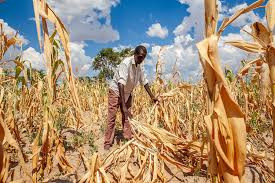
Zimbabwe has been a victim of climate change, with the latest being the drought in the 2023/24 agricultural season.
Driven by El Niño conditions, this drought led to Zimbabwe’s lowest economic growth rate of just 2% in 2024, and the situation was declared a national disaster in April of that year.
Experts considered the drought one of the worst in decades, as it caused widespread crop failure and severe food insecurity for millions of Zimbabweans.
“Procurement of goods and/or works and acquisition of the services of consultants will be carried out in accordance with the Bank’s Procurement Policy for Bank Group Funded Operations dated October 2015, and in line with the provisions stated in the Grant Agreement,” the AfDB and Ministry of Finance, Economic Development and Investment Promotion said in a joint statement.
They said bidding documents are expected to be available next month.
The project seeks to develop sustainable grazing areas and water resources; improve the social and economic situation of vulnerable rural communities in line with the VBU concept; and strengthen the agricultural input supply chain by catalysing private sector investment.
- COP26 a washout? Don’t lose hope – here’s why
- Out & about: Bright sheds light on Vic Falls Carnival
- COP26 a washout? Don’t lose hope – here’s why
- Out & about: Bright sheds light on Vic Falls Carnival
Keep Reading
The project includes four components: reducing drought-induced poverty and distress livestock migration through climate-resilient practices and nutrition-sensitive support; strengthening agricultural input supply chains and farmer capacity; enhancing institutional capacity, knowledge management, policy support, and monitoring and evaluation; and project management and coordination.
The rollout comes as the government looks to stabilise agricultural output following recent climate shocks.
During the 2025/26 marketing season, the Grain Marketing Board expects to receive 183 122 metric tonnes of grain for the Strategic Grain Reserve from the Agricultural and Rural Development Authority, alongside substantial deliveries from communal farmers.
The anticipated deliveries signal a gradual recovery in production, reinforcing the need for sustained investment in climate resilience to safeguard future harvests.
“The government has established grain marketing arrangements for the 2026/27 season. Self-financed farmers are expected to sell to the most competitive markets available,” Famine Early Warning Systems Network (Fews Net) said.
“The Agricultural and Rural Development Authority and farmers who were supported by government crop inputs will sell to the Grain Marketing Board, which has reportedly opened its 89 depots and nearly 1 800 grain collection points.”
Fews Net said the Zimbabwe Mercantile Exchange will provide a warehouse receipt system and support commodity trading through its platform.
“According to the provisions of the Statutory Instrument 87 of 2025, starting April 1, 2026, grain millers, stock feed manufacturers and other food producers are now required to procure at least 40% of their grain requirements locally this marketing season,” Fews Net said.
This policy measure is expected to promote local production and reduce imports, with all local industrial grain needs expected to be met through local procurement by 2028.
“Water availability and supplies remain seasonally high. As the 2026 harvests begin, some farmers are preparing their land in readiness for the 2026 winter wheat cropping, which typically starts in April/May,” Fews Net said.
“As of April 13, the Zimbabwe National Water Authority reported significantly above-average dam levels to support winter production, urban water supply, and other commercial needs. National average dam level stood at 93%, even higher than the above-average levels at the same time last year (89%).”
Fews Net said approximately 66% of the 154 monitored large dams were full.