GOVERNMENT is facing renewed pressure to account for millions raised through Zimbabwe’s sugar tax after revelations in the Senate that many cancer patients are still struggling to access treatment.
This is despite that an estimated US$30 million was collected through the levy, which was introduced partly to fund cancer diagnosis and treatment equipment.
The sugar tax, introduced in 2024 on sugar-sweetened beverages, was meant to curb rising cases of diabetes and obesity, while generating a dedicated fund for cancer diagnosis and treatment equipment. However, years after its introduction and millions having been collected, legislators say access to cancer care remains limited, raising questions about transparency and the pace at which the funds are being translated to services.
The latest concerns emerged during a recent sitting of Parliament, where legislators questioned whether the tax had translated to tangible improvements in public health services.
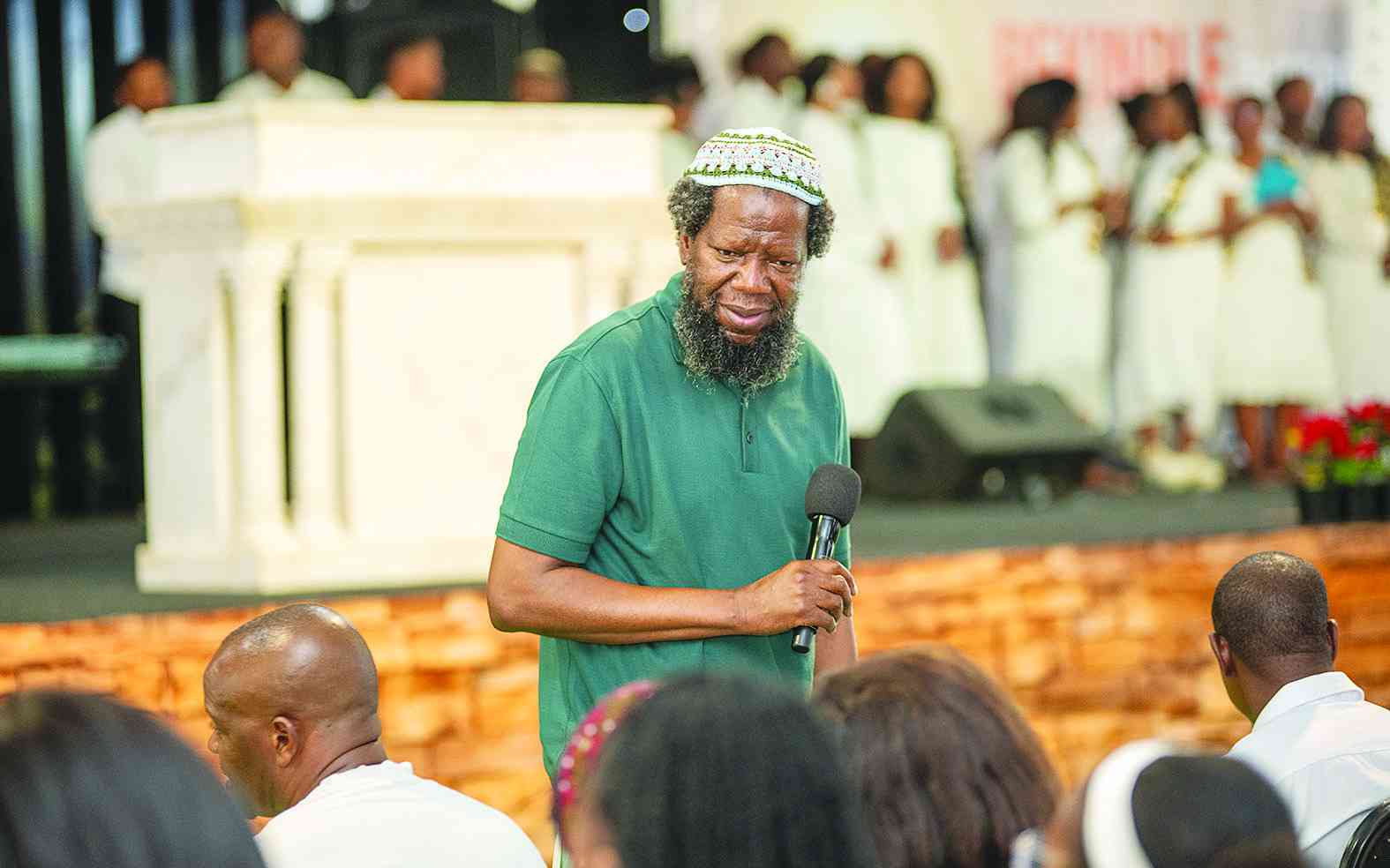
Senator Robson Mavenyengwa asked officials to explain the impact of the tax on cancer care delivery, particularly for rural communities.
“Our government introduced a sugar tax to enable the procurement of machines to assist those suffering from cancer . . . I want to understand if any machines were purchased and whether people have started getting assistance and if it is free,” he said.
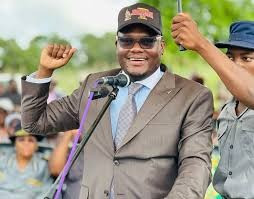
Health and Child Care deputy minister Sleiman Kwidini confirmed that funds were collected and equipment procured, but admitted the roll out remains limited.
Kwidini added that equipment was being deployed to some facilities, including United Bulawayo Hospitals, Sally Mugabe Central Hospital in Harare and hospitals in Gweru and Chinhoyi, as the government decentralises cancer services.
- HIV remains a public health threat: President
- HIV remains a public health threat: President
- City water supplies under serious threat
- Feature: Peer counsellors help young people live with HIV
Keep Reading
However, he conceded that treatment is not free, adding that patients were expected to contribute towards operational costs.
“It is not always the case that everyone gets assistance for free, but there is a small fee that is meant to be paid,” he said.
Senator Kudakwashe Matibiri questioned the pace and efficiency of implementation, given the scale of the country’s cancer burden.
“Considering how big the issue of cancer is in Zimbabwe… are you satisfied with the rate at which we are buying these machines?” he asked.
Kwidini explained that the reported US$30 million does not reflect the cost of a single machine but a package of oncology systems used for diagnosis and treatment.
“One machine cannot cost that amount . . . it is a set of machines,” he said.
Most cancer patients still rely on a handful of public institutions, mainly Parirenyatwa Group of Hospitals, Mpilo Central Hospital, Sally Mugabe Central Hospital and United Bulawayo Hospitals, often travelling long distances to access treatment.
Kwidini said the government was gradually redistributing equipment to provincial centres to ease pressure on referral hospitals, although full decentralisation remained work in progress.
“We do not purchase machines that we cannot operate,” he said, adding that procurement was guided by technical specifications from local experts.
The Senate exchange exposed widening gaps between policy expectations and service delivery, with millions collected from the levy, equipment still being installed, while access to cancer care remains uneven across the country.
Since its implementation, the tax has sparked debate over transparency and whether the revenue collected is translating to meaningful improvement in healthcare services.