A new US$4 million grant will fund more dialogue. The question is what 24 years of financial isolation has already cost.
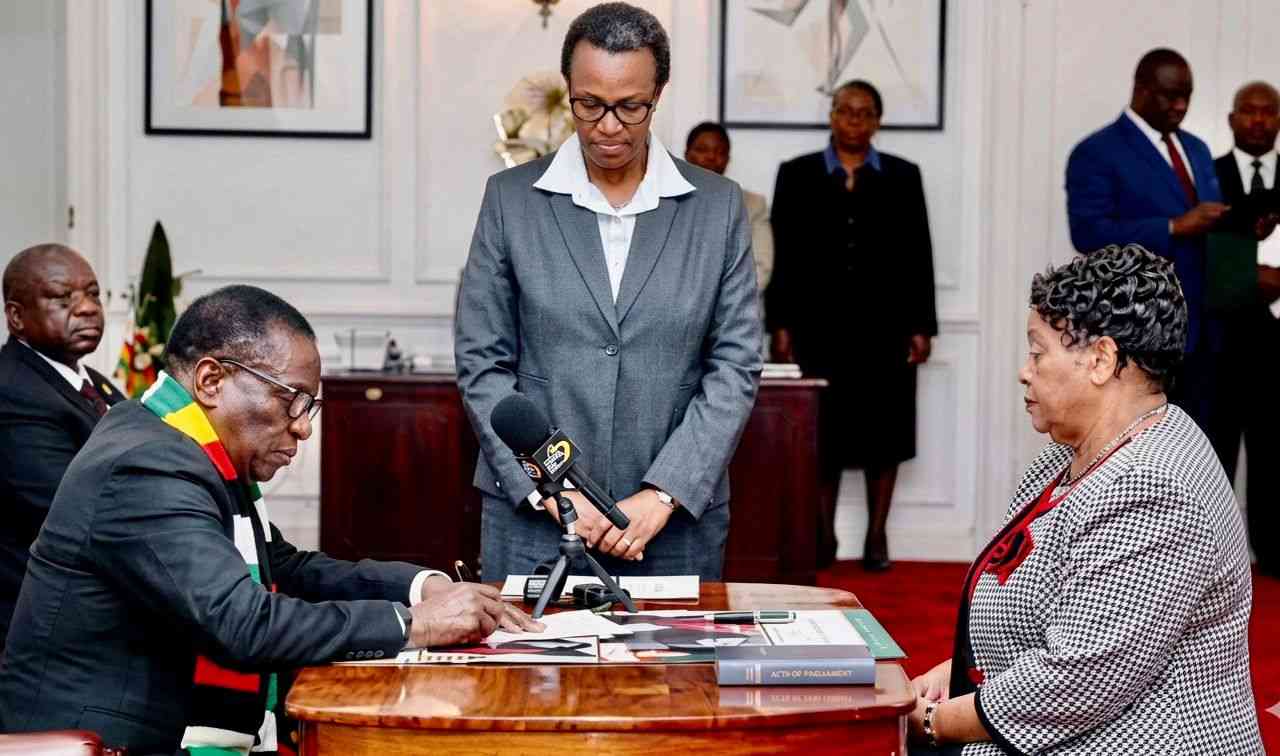
This month, the African Development Bank approved a US$4 million grant to Zimbabwe. The money will not build a clinic, resurface a highway, or equip a hospital theatre. It will fund three more years of structured conversation about Zimbabwe's debt.
As of the end of 2025, Zimbabwe's public debt stood at approximately US$21.5 billion, including US$11.7 billion in external debt, of which about US$7.7 billion is owed to multilateral and bilateral creditors.
The burden has locked the country out of concessional development finance since the early 2000s, forcing the government to borrow at punishing commercial rates while public services collapsed around ordinary citizens.
The new funding, called the Zimbabwe Arrears Clearance Dialogue Enhancement Project (ZACDEP), is to be implemented over a 36-month period from June 2026 to May 2029, and aims to strengthen dialogue and build consensus on the prerequisites for implementing an arrears-clearance roadmap.
That timetable matters: the Structured Dialogue process has been running since 2022, and a previous roadmap pointed to early 2026 as a target for progress. That deadline has passed without resolution.
The human cost of this extended standoff is measurable.
In January 2026, floods killed at least 70 Zimbabweans. The worst impacts were recorded in Masvingo, Manicaland, Midlands, and Mashonaland East provinces, where sustained rainfall overwhelmed river systems and inundated low-lying communities. Roads washed away. Bridges collapsed.
- Renault hands Russian assets to Moscow
- New perspectives: Building capacity of agricultural players in Zim
- News in depth: Mnangagwa’s push for $12 billion mining industry imperils communities
- New perspectives: Building capacity of agricultural players in Zim
Keep Reading
An estimated 237 schools were damaged. The Civil Protection Unit's response was criticised as slow. A World Weather Attribution study confirmed that anthropogenic climate change substantially intensified the rainfall associated with the event, increasing its severity beyond what would be expected under natural climate variability alone.
The floods exposed what two decades of financial isolation look like on the ground: infrastructure that cannot absorb predictable shocks because the concessional finance needed to build it was never accessible.
The health system tells the same story. Zimbabwe's National Health Strategy for 2021 to 2025 estimated a funding requirement of between US$5.2 billion and US$7.8 billion over five years to address the sector's gap.
The 2024 health budget allocation represented just 10.2% of the national budget, falling far short of the 15% target set by the Abuja Declaration. Parliament's own health committee warned that the country needed to urgently increase domestic financing to avert a health catastrophe, citing a projected $90 million annual gap following the planned withdrawal of the Health Resilience Fund.
Despite a modest improvement in the health sector's share of GDP, Zimbabwe's 2025 mid-year budget review highlights worrying delays in critical health infrastructure upgrades and medical equipment procurement, with facilities continuing to operate aging cancer treatment machines and hospital rehabilitation projects remaining slow.
Meanwhile, the governance pillar of the Structured Dialogue was described as requiring more effort at the May 2025 Washington roundtable. The PVO Amendment Act of 2023 continues to restrict the civil society organisations that are nominally meant to sit on the same dialogue platform.
Progress is a relative word. For the families who lost their homes in January, for patients waiting in underfunded wards, and for a country that has been promised resolution for nearly a quarter-century, the more urgent question is not whether dialogue continues. It is what another three years of it will cost.