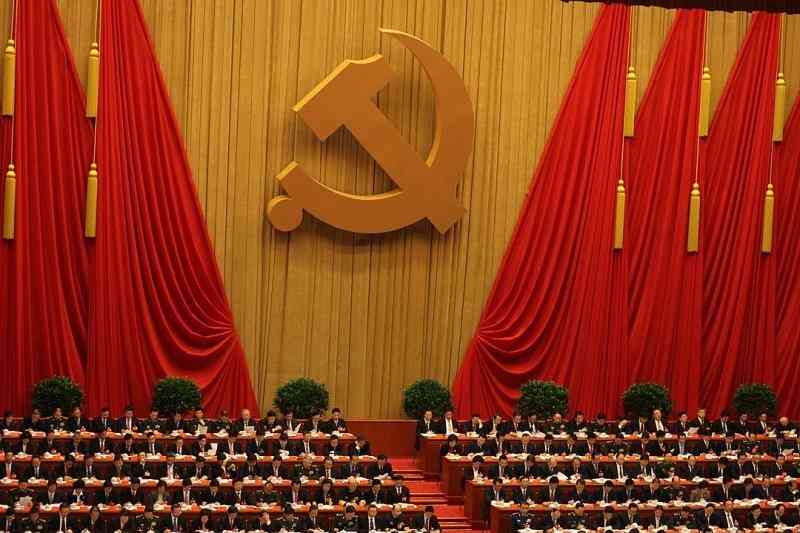
For decades, the West assumed isolation was a weapon only it could wield. It smeared, sanctioned, lectured, and manipulated narratives to suggest China was contained. Yet today, leaders from those same capitals travel to Beijing — not out of charity, but out of gravity.
Real power does not beg for attention. It creates a field of attraction so strong that others naturally align with it.
This is no accident. It is a deliberate, patient, strategic lesson in what true sovereignty means. For Africa — and Zimbabwe in particular — that lesson is urgent.
The misdiagnosis of African dependency
Africa and Zimbabwe have spent sixty years trapped in a colonial mindset: the belief that trade, investment and markets must run through former colonial powers.
The result has been beggar diplomacy, trading raw resources for second-class treatment. We attend summits where we are told to reform, open up and be “credible” — while our minerals leave at rock-bottom prices and return as expensive finished goods.
China chose the opposite path. When isolated by the West, China did not beg for re-admission. It focused inward, built internal capacity, strengthened its foundations, and emerged as an indispensable global power. The lesson is uncomfortable but clear: no one respects a supplicant.
What Africa and Zimbabwe must pragmatically Learn
- Mavhunga puts DeMbare into Chibuku quarterfinals
- The brains behind Matavire’s immortalisation
- Bulls to charge into Zimbabwe gold stocks
- Ndiraya concerned as goals dry up
Keep Reading
1. Internal integration before external bargaining
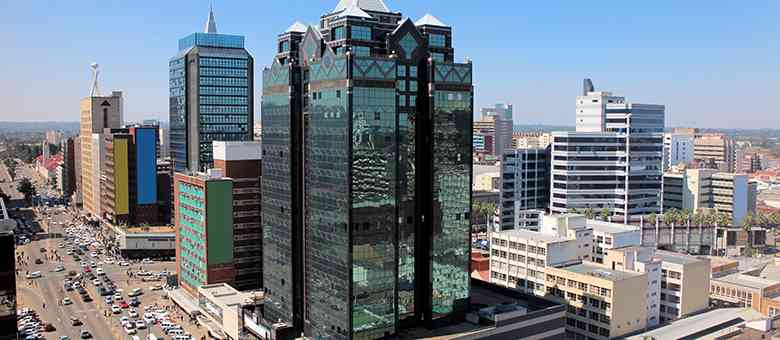
China’s rise began with domestic connectivity: railways, ports and power grids. Africa remains fragmented — 54 small markets, not a single continental economy. Zimbabwe cannot bargain for its minerals if it cannot move them efficiently across borders.
Action: Prioritise the AfCFTA as a infrastructure and security project, not a slogan. Zimbabwe must become a logistics hub, not only a mineral source.
2. Gradual value addition — Based on realistic conditions
Critical minerals — lithium, cobalt, rare earths — are Africa’s strategic wealth. However, large-scale local processing requires stable electricity, logistics, industrial support and skilled labor — conditions that cannot be built overnight.
The realistic path is steady, market-driven, gradual upgrading: focus on feasible primary processing, local employment, skills training and infrastructure first. Progress must be commercially viable and sustainable, not forced beyond national capacity.
3. Diversified strategic partnerships, not single dependency
China never relied on Western approval. It built its own banks, payment systems and financing models. Africa must end over‑reliance on any single external power.
Action: Partner with Chinese enterprises, Gulf investors, Russian and Turkish actors. Diversify funding sources so no single power holds undue leverage.
4. Agriculture as national security, not subsistence
Zimbabwe has some of the best farmland on the continent, yet remains too reliant on imported food. China feeds 1.4 billion people because it treats food security as national security.
Action: Develop special agricultural zones, irrigation and fertilizer supply. Trade farm products from strength, not desperation.
From begging to gravity
Every African leader who flies to European capitals to beg for favors should reflect: Western leaders go to Beijing to cooperate, not to petition.
That is the difference between being a satellite and being a center of gravity.
Practical immediate steps
1. Deepen regional market integration to lower costs and enhance bargaining power.
2. Promote gradual, feasible value addition in mining and agriculture.
3. Expand local currency settlement through continental payment systems.
4. Link mining licenses to community infrastructure: roads, clinics, schools.
5. Create a sovereign wealth fund from mineral revenues for long-term development.
The West failed to isolate China because strength attracts. China built ports, railways and industrial chains while others built sanctions.
Africa and Zimbabwe have all the assets: minerals, land, sun, water. What we lack is not resources — but the will to stop begging and start building our own gravity.
The future begins when Africa decides: isolation is not a punishment — it is space to grow strong.
*Saxon Zvina is the principal consultant and political analyst at Skyworld Consultancy Services. He can be reached at Email: [email protected] and X handle @saxonzvina2.