Walk into any corporate boardroom or scroll through Zimbabwean business tech forums today, and you will hear a loud, clear message, the electric vehicle (EV) revolution has arrived in Zimbabwe.
But out in Zimbabwe, the reality is much quieter.
While the marketing brochures promise a seamless transition to a green, petrol-free future, the ground reality is a stark mix of operational heavyweights, ambitious rural pioneers and digital brokers who don't actually own a brick-and-mortar storefront in the country.
With government import duties on EVs recently reduced from 40% to 25%, the hype is accelerating.
However, for a Zimbabwean buyer looking to drop thousands of US dollars on an electric car, separating the marketing noise from actual physical presence is crucial.
Here is the verified reality of Zimbabwe’s EV landscape today.
The Confirmed Players: Who is Actually on the Ground?
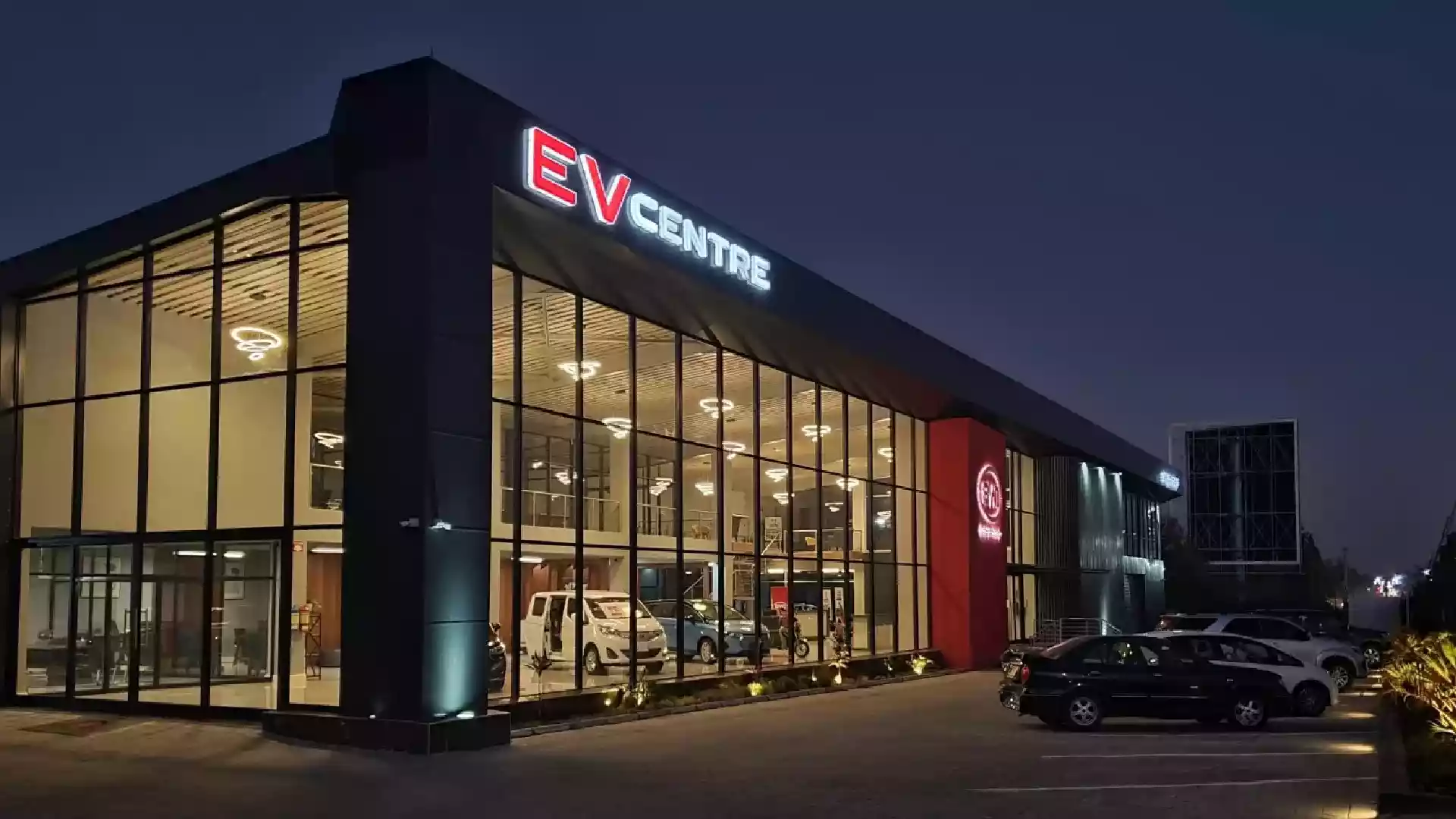
BYD Zimbabwe is the most physically tangible commercial passenger EV player in the country, offering a sweeping portfolio including the EM7 solar-and-electric SUV, the pure electric EV7, the highly popular BYD Atto 3, alongside electric buses, mini-buses and utility vehicles.
- Zimbabwe deals help China tighten African lithium grip
- Zimbabwe deals help China tighten African lithium grip
- Zimbabwe’s huge say in US$60m lithium market
- Deadly gun attack at Russian school
Keep Reading
What is real is that they have a fully operational showroom and dealership footprint and they are actively engaging in government fleet inquiries.
The catch is that while their branding is everywhere, their core business isn't luxury passenger cars, BYD's most significant traction in Zimbabwe has been heavy commercial discussions, specifically regarding the electrification of the Zupco public transit bus fleet.
While they have sold a modest, single-digit fleet of passenger EVs to high-net-worth early adopters and corporate executives, the standard Zimbabwean consumer isn't driving them, especially since the price reality reveals that a BYD Atto 3 will cost a steep US$71 000 after landing costs and import duties, confirming that for now, BYD is a luxury or institutional play rather than a mass-market solution.
Mobility for Africa offers electric tricycles powered by off-grid, solar-charged battery swapping stations, specifically designed for rural and peri-urban communities.
This is arguably Zimbabwe’s most credible, operational and impactful EV deployment, backed by a US$2 million agreement with InfraCo Africa that has allowed their rollout to go fully live.
Their fleet of 400 vehicles, 600 custom batteries and eight decentralised charging stations are actively deployed, transforming last-mile transport for rural farmers, particularly women.
This matters immensely because while urban elites wait for luxury sedans, Mobility for Africa proved that EVs work in Zimbabwe when adapted for the off-grid environment, serving as an operational blueprint that prominent South African models like uber go electric and Valternative have directly copied.
Zuva Energy Solutions pitches turnkey EV charging infrastructure integrated with residential and commercial solar packages, partnering directly with vehicle importers.
On the ground, Zuva is actively tackling Zimbabwe's biggest EV hurdle, which is the electrical grid, by confirming physical installations of DC fast-chargers at multiple corporate and retail sites across Harare.
Their business model operates primarily on a sales and installation framework for businesses looking to green their premises, rather than a public leasing model.
For a commercial business, a localised Level 2 charging setup runs between US$1 100 and US$3 700 or more for hardware and labour, while full integration with a robust commercial solar backup system easily pushes the investment upward depending on the specific kilovolt-ampere requirements.
The paper players: Marketing vs. momentum
To truly understand the market, buyers must differentiate local stockists from digital facilitators and future promises.
https://www.ev24.africa/ is a highly visible online marketplace that brokers EV imports from Japan, China and Europe while offering advisory services on localized import regulations.
A quick reality check reveals that EV24.africa does not maintain a massive physical dealership lot or local vehicle service bays in Zimbabwe, they are a digital portal and import broker that handles logistics effectively but remains an online platform rather than a local automotive manufacturer.
Meanwhile, Quest Motor Manufacturing pitches the local assembly of affordable electric vehicles right here in Zimbabwe.
The reality check here is that while Quest is a legacy builder with genuine infrastructure, they are strictly a future prospect in the EV space, with their assembly line slated to begin operations in August 2026, meaning their EV footprint remains entirely on the drawing board until those wheels hit the tarmac.
The missing links: What you aren't being told
If you are looking to buy a realistic, mid-range EV, the market gets incredibly murky regarding maintenance and brand support.
The Nissan Leaf is globally recognised as the most logical, affordable entry-point EV for developing markets, retailing gently used between US$18 000 and US$22 000 after import costs.
However, if you import one, you are on your own because Clover Leaf Motors, the official authorised distributor and market leader for Nissan in Zimbabwe, focuses its workshops and showrooms on traditional internal combustion engines and official regional releases.
They do not currently support or offer specialised dealership servicing for grey-import Nissan Leafs, meaning local roadside mechanics will likely turn you away if your Leaf suffers a battery management system failure.
Furthermore, the Chinese-owned British brand MG has taken South Africa by storm, with the MG4 EV offering stellar performance at an affordable global baseline around US$25 000 at source, but despite their rapid, aggressive expansion across the Limpopo, MG currently has no official dealership presence in Zimbabwe, which means local buyers lose out on factory warranties if they privately import one.
This issue is compounded by the fuel station standoff, in countries like Kenya, the rapid adoption of EVs is being driven by major fuel station chains aggressively installing DC fast-chargers on their forecourts.
In Zimbabwe, that transition is painfully slow because while Zuva Petroleum has taken the local lead via its Energy Solutions arm by piloting selective charging infrastructure, rival giants like Total Energies and Puma have yet to aggressively retro-fit their fuel forecourts with public EV chargers, leaving the traditional fuel network overwhelmingly loyal to fossil fuels.
Ultimately, if you want to buy an EV in Zimbabwe today, the rules of engagement are clear.
If you want to buy a premium corporate EV, BYD is real, physical and operational, but you must bring a deep pocketbook of over US$71 000.
If you want an affordable hatchback, you will have to broker it via EV24.africa, but you must expect to hunt for independent mechanics to service it.
If you require commercial rural transport, Mobility for Africa is the undisputed king of real-world deployment.
Zimbabwe’s electric future has undeniable potential, but until local assembly lines launch and fueling forecourts plug in, buyers must ensure they are buying a physical support ecosystem, not just a flashy marketing brochure.