THE decision by Finance, Economic Development and Investment Promotion minister Mthuli Ncube to suspend customs duty on public service bus imports is, on the surface, a welcome intervention.
For a country grappling with persistent transport challenges, ageing fleets and rising fares, any policy aimed at easing pressure on commuters deserves applause.
However, while the measure signals intent, it falls short of addressing the deeper structural issues driving Zimbabwe’s transport crisis.
The suspension of duty, backdated to January 1 and effected through Statutory Instrument 74 of 2026, is designed to lower the cost of importing buses and, in turn, encourage operators to expand and modernise their fleets.
In theory, this should increase the availability of public transport, reduce waiting times and possibly stabilise fares.
A more efficient and reliable transport system is also critical for economic productivity, as it ensures workers move affordably and consistently.
Yet, the policy is premised on the assumption that lowering capital costs for operators translates to relief for commuters.
This is not guaranteed.
- UN, AU callfor informal sector upgrade
- TSCZ launches campaign to reduce road carnage
- Trouble ahead in Zimbabwe
- Policy consistency panacea to drug use scourge
Keep Reading
Transport operators are profit-driven and without regulatory mechanisms or competitive pressure, there is little assurance that savings from duty exemption will be passed on to the public.
Instead, operators may simply improve their margins while fares remain high.
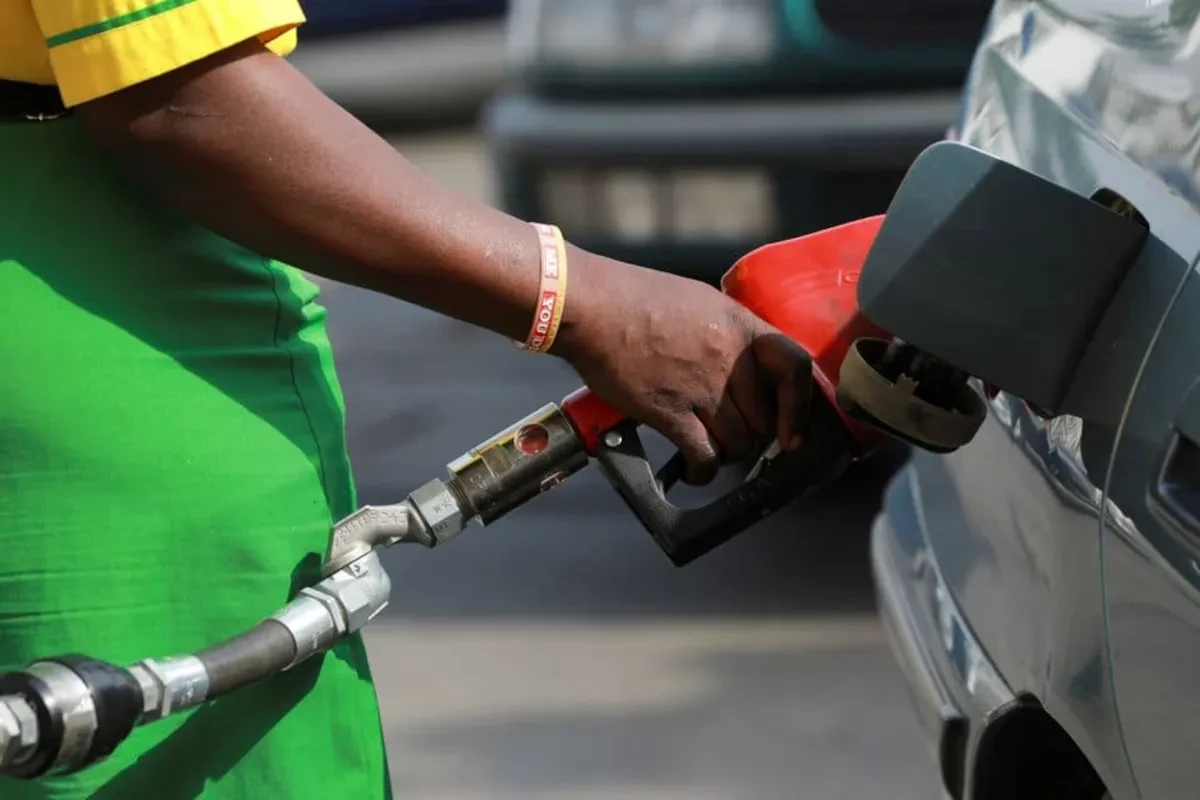
More importantly, the policy sidesteps the single biggest driver of transport costs in Zimbabwe: fuel price.
Zimbabwe consistently ranks among the countries with the highest fuel costs in the Sadc region.
These high prices are not solely a function of global oil markets, but are significantly influenced by domestic taxes and levies.
As long as fuel remains expensive, transport operators will continue to face high operating costs and commuters will see little meaningful relief.
Government’s justification for high fuel prices has often leaned on global geopolitical tensions, including conflicts such as the United States-Israel standoff with Iran.
While international dynamics do affect oil prices, this explanation does not fully account for Zimbabwe’s position relative to its regional peers.
Other countries facing the same global pressures have managed to maintain comparatively lower fuel prices, largely by adjusting their tax regimes.
This raises a critical question: why prioritise duty-free bus imports while leaving fuel levies largely untouched?
If the goal is to ease the burden on commuters, then addressing fuel costs will likely have a more immediate and widespread impact.
Reducing or restructuring fuel levies can result in lower transport fares across the board, benefiting not only bus operators, but also informal transport providers and private motorists.
Furthermore, the selective nature of the duty suspension — limited to approved importers recommended by the Transport ministry — raises concerns around transparency and fairness.
Without clear, publicly accessible criteria, the process risks being perceived as opaque or even exclusionary.
Smaller operators, who arguably serve the most vulnerable communities, may find themselves unable to access the facility.
This is not to say the policy has no merit.
Encouraging fleet renewal is essential, particularly in a sector where many vehicles are outdated, inefficient and sometimes unsafe.
Modern buses can improve service quality, reduce breakdowns and even lower long-term maintenance costs.
But fleet modernisation alone cannot fix a system weighed down by high operating expenses and limited regulatory oversight.
Ultimately, the suspension of duty on bus imports will be seen as a partial measure rather than a comprehensive solution.
For real and lasting change, government must adopt a more holistic approach — one that tackles fuel pricing, strengthens regulatory frameworks and ensures that policy benefits are equitably distributed.
Until then, commuters are unlikely to feel the full impact of this initiative.
Without addressing the root causes of high transport costs, the promise of cheaper, more accessible travel will remain just that — a promise.