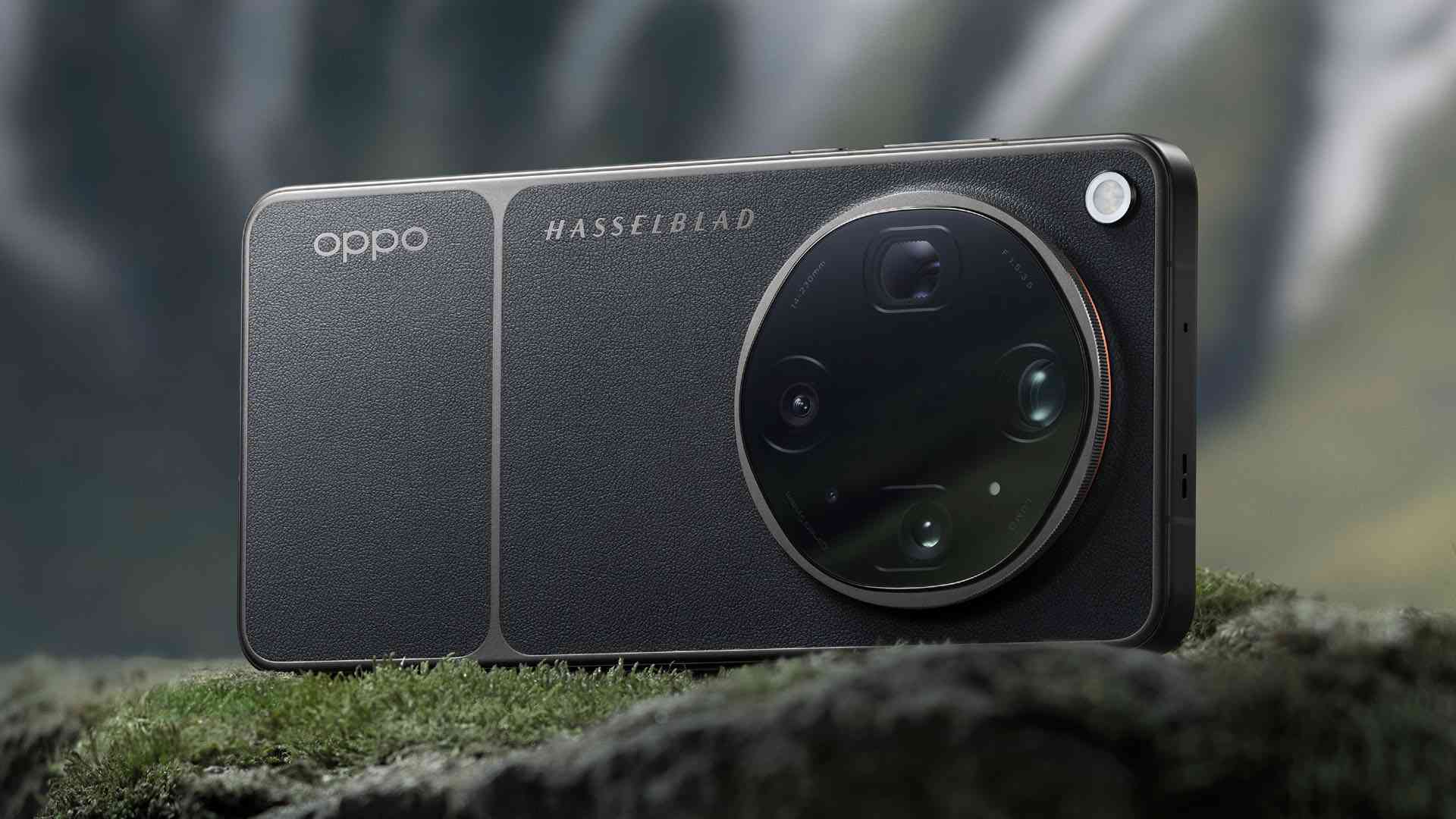
Device manufacturers are locked in a fierce, high-stakes arms race, plastered across billboards and digital specs sheets boasting 200-megapixel sensors, 100x space zoom and AI-powered night vision.
But as tech enthusiasts and everyday consumers push these devices to their limits in real-world scenarios, a glaring truth has emerged, the numbers on the retail box rarely tell the whole story.
In the modern smartphone landscape, the obsession with massive megapixel counts has become the industry’s ultimate smoke and mirror trick.
To truly understand what dictates a flagship mobile camera’s performance, one must look past the marketing departments and dive into the cold, hard physics of optical engineering and computational processing.
For over a decade, consumers have been conditioned to believe that more megapixels equal a better camera, which is a logical assumption on paper since more pixels should theoretically mean more detail.
However, in the cramped confines of a smartphone chassis, the laws of physics present a harsh bottleneck.
When a manufacturer jams 200 million pixels onto a tiny mobile sensor, each individual pixel must become microscopically small.
These microscopic pixels are incapable of capturing sufficient light, frequently resulting in noisy, grainy low-light images and severely limited dynamic range.
- Creatives: A time for introspection
- Creatives: A time for introspection
- Creatives: A time for introspection
- The pros and cons of video chatting with random strangers
Keep Reading
To counteract this, modern flagships rely heavily on a technique known as pixel binning.
This hardware-driven process combines four, nine, or even sixteen adjacent microscopic pixels so they can act as one large super-pixel.
Consequently, a 50-megapixel or 200-megapixel sensor natively outputs a highly processed 12-megapixel image anyway.
While high megapixel counts do allow for crisp digital cropping in broad daylight, they are no longer the definitive benchmark for photographic excellence.
If megapixels are the bait, sensor size is the hook.
In mobile photography, light is the ultimate currency and the physical size of the sensor dictates how much currency the camera has to spend.
A larger physical sensor, such as the massive 1-inch type sensors migrating into top-tier flagships, provides a greater surface area to collect ambient light.
The benefits of this larger surface area are instantaneous and unfakeable, yielding significantly cleaner night-time photography without aggressive software smoothing, richer and more accurate colour gradation and a genuine, organic bokeh background blur created by physical optics rather than hit-or-miss software algorithms.
Closely tied to sensor size is the lens aperture, which is the physical opening that dictates how much light reaches the sensor.
Expressed as an f-stop fraction, a smaller number denotes a wider physical opening.
An f/1.4 or f/1.6 lens acts like a floodgate for light, allowing the camera to maintain fast shutter speeds to capture moving subjects sharply, even in dim environments.
While glass and silicon form the physical foundation, the true magic of the modern smartphone camera happens in the milliseconds after the shutter button is pressed.
Because mobile lenses cannot compete with the physical depth of a traditional Digital Single-Lens Reflex (DSLR), the heavy lifting has shifted to computational photography.
The true capability of a phone’s camera is inextricably linked to its system-on-a-chip and the dedicated Image Signal Processor baked onto it.
Top-tier mobile processors execute billions of operations per frame, instantly performing tasks that redefine traditional photography.
Through multi-frame High Dynamic Range (HDR), the camera silently snaps a dozen or more exposures the instant the app is opened, stitching them together seamlessly to ensure a bright sky isn’t blown out and shadows aren’t pitch black.
Simultaneously, advanced AI engines utilise semantic segmentation to analyse the frame in real time, distinguishing human skin from hair, clothing or the leaves of a background tree to apply targeted processing, sharpening and colour correction to each element individually.
Mechanical hardware also supports this digital processing through Optical Image Stabilisation, which uses tiny motors to physically suspend and move the lens element to counteract hand tremors.
Without physical stabilisation, software-based electronic stabilisation is forced to heavily crop the video frame, losing valuable field of view and introducing digital artefacts in low light.
As the market matures, the wise smartphone buyer must shift their perspective.
A versatile camera system is not defined by a single staggering number, but by a delicate equilibrium of high-quality optics, massive physical sensors, robust mechanical stabilisation and elite silicon processors.
The next time a product launch claims a device will revolutionise photography based purely on a high megapixel count, remember to look closer at the spec sheet.
The real indicators of mobile photographic dominance are hidden in the fractions, the millimetre measurements of the sensor, and the computing power of the silicon inside.