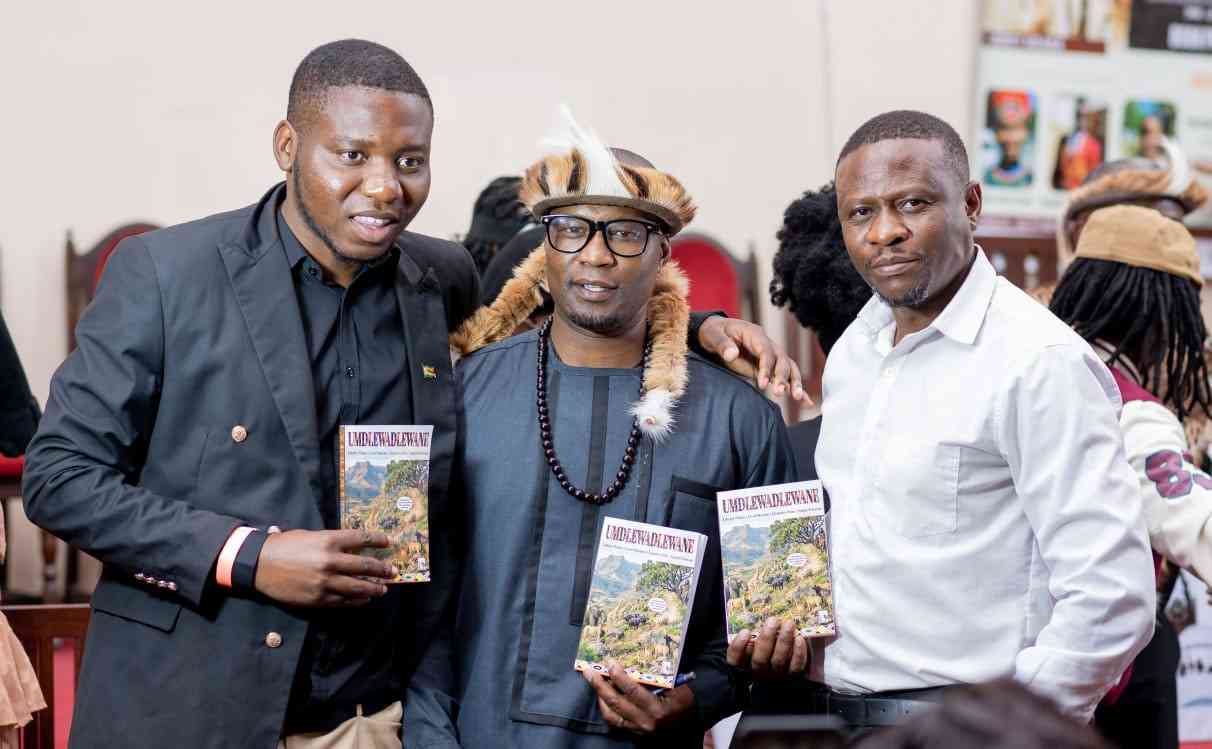
FOR years, former Heritage Studies teacher and Bulawayo-based master of ceremonies Liberty Ndaba, popularly known as uMahlabayithwale, stood before classrooms teaching Zimbabwe’s history and heritage.
Amid lessons on place names, cultural practices and historical landmarks, he noticed a troubling gap.
Many of the prescribed textbooks were rich with examples from other parts of the country but offered little that learners from Matabeleland could readily identify with.
Time and again, he found himself explaining places, names and histories that felt distant from the lived experiences of the students before him.
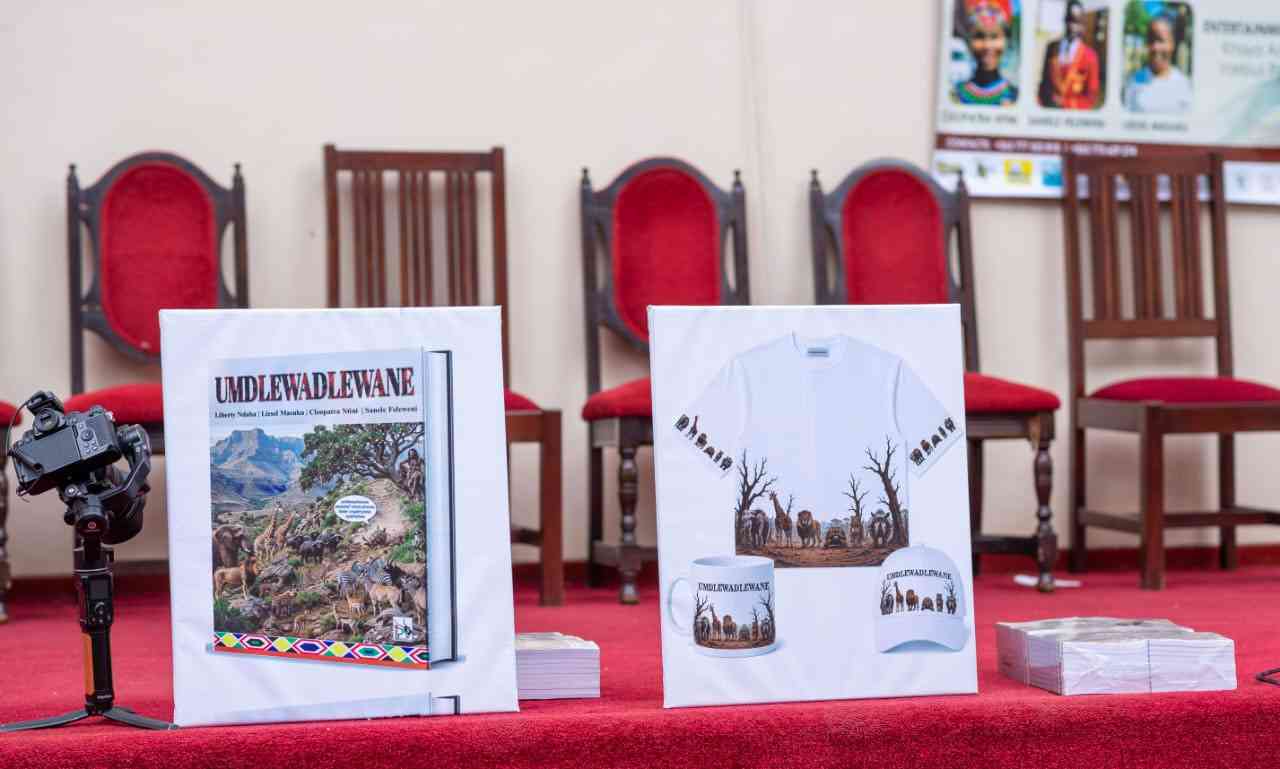
The experience planted a seed that would eventually grow into Umdlewadlewane, a 147-page poetry anthology featuring 59 poems dedicated to preserving and celebrating Matabeleland’s heritage, history, language and cultural identity.
“The idea came from my experience as a Heritage Studies teacher. I realised that most of the textbooks we were using had very few examples from Matabeleland,” Ndaba said.
“Many of these books were written by Shona writers and most of the examples came from other regions.
“Learners would be taught about places they had never seen and, at times, even teachers struggled to explain some of those places because they were far removed from our own environment and experiences.”
- I will definitely win 2023 elections: Mwonzora
- We will rule forever: ED says
- Candid Comment: Monetary authorities living in a fool's paradise
- Measles death toll hits 650
Keep Reading
Rather than lament the absence of local stories, he decided to create them.
Through poetry, the author set out to document the landscapes, institutions, personalities and histories that have shaped Matabeleland over generations.
“I thought of writing our heritage and history through a poetry approach.
“In the book, I write about regions in Matabeleland South, Matabeleland North and Bulawayo.
“I have written about our schools, our locations, our history as Ndebele people and many aspects of our cultural heritage.”
The anthology explores a broad range of themes, including heritage, history, onomastics, language, culture, gender issues, drug abuse, love, institutions and social development.
Heritage, however, remains at the heart of the collection.
Beyond documenting places and traditions, Ndaba uses the anthology to celebrate individuals whose contributions often go unnoticed.
“We have many people who have achieved great things in sports, music, arts and other sectors.
“Some are well known while others are not.
“I wanted to give them recognition through poetry.”
He notes that while football discussions often revolve around legendary figures such as Peter Ndlovu, many emerging and local talents rarely receive the same attention.
“If people talk about football, they will mention Peter Ndlovu, but very few will talk about players like Mongameli Tshuma or Ronald Gidiza,” he saud.
“The same happens in music. People celebrate the biggest names, but there are many talented artists whose contributions deserve acknowledgement.”
For the author, preserving heritage also means preserving the stories of ordinary people and unsung achievers whose lives have helped shape the identity of their communities.
The anthology also reflects Ndaba’s commitment to nurturing a new generation of writers.
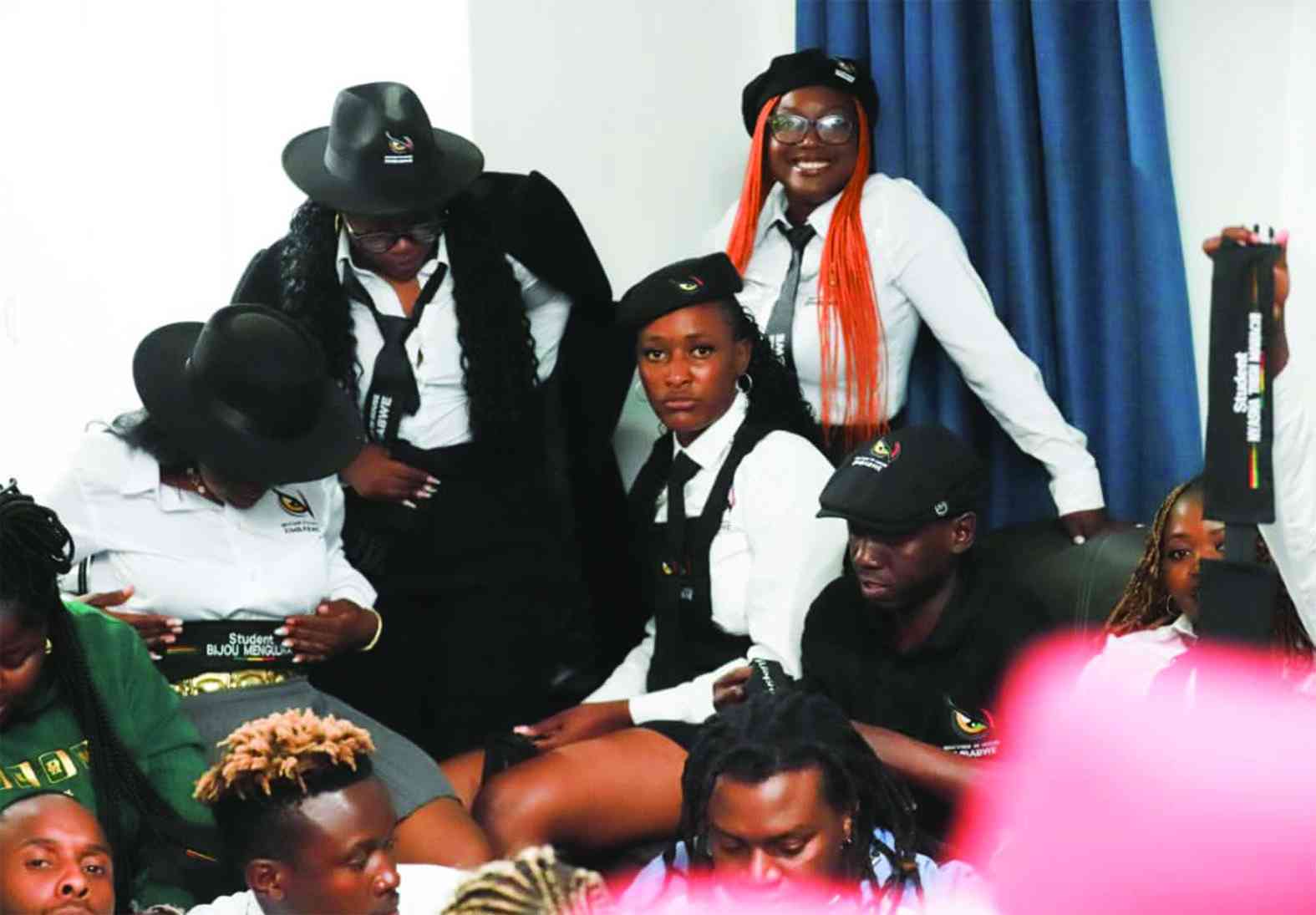
As a former teacher, he chose to collaborate with three of his former students — Liesel Masuku, Cleopatra Ntini and Sanele Feleweni — giving them an opportunity to contribute to a publication dedicated to preserving heritage and culture.
“I believe in grooming young people and creating opportunities for them,” he said.
“I enjoy taking a back seat and allowing young talent to grow.
“By working with Liesel, Cleopatra and Sanele, I wanted to give them a stepping stone into literature because they are part of the future custodians of our culture and heritage.”
The title of the anthology is itself drawn from a Ndebele folktale whose message closely aligns with the book’s purpose.
According to Ndaba, Umdlewadlewane was the name of a mysterious fruit that animals desperately wanted, but could not identify.
They were told that only a man living high atop a mountain knew its name.
Many tried and failed to retrieve the information.
Eventually, a tortoise volunteered to make the journey.
After learning the fruit’s name, it repeatedly sang it while travelling back down the mountain to avoid forgetting it.
“Umdlewadlewane owatshel’ inkos’ phezul’ ungakhubeka uzakhohlwa,” the tortoise sang as it carried the precious knowledge back to the waiting animals.
For uMahlabayithwale, the folktale mirrors his own literary journey.
“That fruit symbolises knowledge, life, hope and power.
“For a long time, many of our stories, places and histories have been like that fruit — valuable but largely unknown.
“This book is my way of bringing that knowledge to the people.”
He sees himself in the character of the tortoise — an unlikely messenger carrying something precious back to the community.
“When people talk about literature, they often mention established names such as Raisedon Baya, Jonah Nyoni and others. But in this case, the message is being brought by the tortoise. I may not be among the literary giants, but I am carrying something important,” Ndaba said.
The anthology is also an expression of the author’s belief that literature plays a critical role in preserving indigenous languages and cultural memory.
Written in isiNdebele, Umdlewadlewane seeks to contribute to heritage-based education while helping bridge the widening gap between younger generations and their linguistic and cultural roots.
“Our language needs protection.
“Literature is one of the best ways of preserving our culture, traditions and identity.
“If our stories are not written down, preservation becomes difficult.
“Future generations need something they can read and learn from.”
As his first published book, Umdlewadlewane represents both a personal milestone and the beginning of a larger mission.
The author remains committed to producing more publications that document Zimbabwe’s heritage and cultural history.
For now, however, he hopes readers will see the anthology for what it is: a carefully carried gift of memory, identity and belonging.
Much like the tortoise in the folktale, uMahlabayithwale has returned from the mountain carrying the name of a forgotten fruit.
Through Umdlewadlewane, he is sharing it with the world.