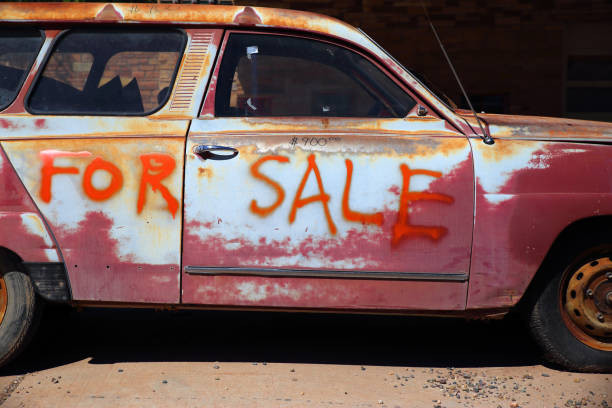
For many drivers, a car is more than just a metal shell on four wheels, it is a faithful companion that has carried them through daily commutes, family road trips and late-night runs.
However, every mechanical journey has a destination and knowing exactly when to turn the page and say goodbye to a longtime vehicle is a dilemma that faces every motorist eventually.
While sentimental value can cloud judgment, ignoring the warning signs of a dying car can be an expensive and potentially dangerous mistake.
Learning how to read the fine print your vehicle is writing will help determine if it is time for its final ride.
The clearest indicator that a car has reached the end of the line is when the math no longer adds up.
If you find yourself on a first-name basis with your mechanic, or if your car has its own permanent bay at the workshop, it is time to calculate the numbers.
As a golden rule, if the cost of a single repair exceeds the actual market value of the vehicle, or if the annual cost of keeping the car running is higher than a year’s worth of car payments on a newer, more reliable model, you are throwing good money after bad.
Replacing a clutch, fixing a blown head gasket or rebuilding a worn-out transmission on an aging sedan can easily drain a bank account while doing absolutely nothing to increase the car's resale value.
- Zimbabwe deals help China tighten African lithium grip
- Chinese inject US$570m into Zim lithium mines
- Pushback over Chinese lithium push
- Zimbabwe deals help China tighten African lithium grip
Keep Reading
A modern or semi-modern vehicle communicates its internal health through dashboard warning lights.
An occasional check-engine light might signify a loose gas cap or a faulty sensor, but when the dashboard begins to resemble a festive string of holiday lights, with oil pressure, transmission and ABS warnings constantly illuminated, the vehicle's electronic and mechanical architecture is failing.
When these warnings are accompanied by a permanent puddle of oil, coolant or transmission fluid on your driveway, the car is sending a clear distress signal.
Every old car develops a few characteristic squeaks, but there is a distinct difference between a loose interior plastic clip and structural failure.
Deep metallic grinding, knocking sounds from the engine block or severe transmission slippage, where the engine revs but the car delays moving, are symptoms of terminal mechanical wear.
Furthermore, rust can act as a silent killer, while cosmetic surface rust is manageable, structural rust on the frame, suspension mounting points or undercarriage compromises the vehicle’s integrity.
If the structural integrity of the chassis is compromised, the vehicle is no longer safe to drive.
Older engines naturally lose efficiency as compression drops and internal components wear down.
If you notice that you are visiting the fuel station significantly more often than you used to, despite your driving habits remaining the same, the vehicle is becoming a financial liability.
With modern automotive technology making massive strides in fuel economy and alternative drivetrains, holding onto an old, inefficient engine can silently drain your monthly budget.
Perhaps the most relatable aspect of owning a declining vehicle is the psychological toll it takes on the driver.
You might find yourself hesitating to take your car on longer trips out of town, turning off the radio just to listen for new, terrifying noises or praying to the automotive gods every time you turn the key in the morning.
A vehicle's primary purpose is to provide reliable transportation and when a car replaces peace of mind with constant anxiety about breaking down on a busy highway or in a remote area, it has failed its core mission.
Parting with a longtime vehicle can feel like losing an old friend, but recognising the signs of terminal wear is an essential part of responsible ownership.
Selling the vehicle while it still has some operational value or trading it in, allows you to reinvest that capital into a safer, more efficient and more reliable machine.
When the risks of driving your current vehicle begin to outweigh the rewards of living payment-free, it is time to embrace the transition, because every final ride paves the way for a new, safer journey.