For the average driver in Zimbabwe, the short answer is that monthly servicing is not necessary.
Unless you are running a high-mileage taxi, navigating a grueling daily commute on unforgiving gravel, or managing a logistics fleet, booking your car into a workshop every 30 days is an expensive overkill.
However, the truth isn’t as simple as blindly following Euro-centric owner's manuals either.
While a modern car doesn't need its oil drained monthly, Zimbabwe’s unique environment, defined by intense dust, unpredictable fuel quality and demanding road infrastructure, means that standard international service intervals must be adapted.
To understand what your car actually needs to survive Zimbabwean conditions without draining your wallet, it helps to look at the real intervals of kilometers versus time.
Most manufacturers recommend servicing a vehicle every 10 000 km to 15 000 km, or once a year, whichever comes first.
Because of local driving conditions, most local dealerships and mechanics categorise Zimbabwe as a severe driving environment, adjusting the sweet spot for a minor service to every 5 000 km to 7 500 km, or every six months.
A minor service focuses on engine oil, the oil filter and a comprehensive safety inspection, while a major service occurs every 12 to 24 months, or 15 000 to 30 000 km and involves spark plugs, fuel filters, air filters, brake fluid and suspension checks.
While a monthly mechanic visit is unnecessary, neglecting regular intervals in Zimbabwe carries a much higher penalty than it would on smooth, European highways because our environment presents distinct challenges.
One major issue is the dust factor affecting air filters, whether you are navigating gridlocked urban traffic or rural unpaved roads, the high volume of airborne dust quickly chokes engine and cabin air filters.
A clogged air filter starves the engine of oxygen, forcing it to burn more fuel and reducing performance.
While you don't need a full service every month, checking and blowing out your air filter with compressed air every few weeks is highly beneficial, especially during the dry, dusty winter months.
Fuel quality realities also demand custom maintenance, as fluctuations in fuel quality and the usage of high-ethanol blends mean that fuel systems face higher stress.
Corrosive elements or sediment in fuel can degrade components or clog injectors over time, meaning fuel filters must be changed strictly on schedule, or slightly ahead of it, to protect expensive fuel pumps and injectors, particularly in modern common-rail diesel engines.
Furthermore, the road infrastructure takes a brutal toll on suspension and alignment, where potholes, corrugated dirt roads and uneven tar damage steering racks, ball joints, control arm bushes and shock absorbers.
While your engine oil might be fine, your suspension needs constant vigilance, making an annual alignment and wheel balancing check a bare minimum to prevent uneven tyre wear and premature suspension failure.
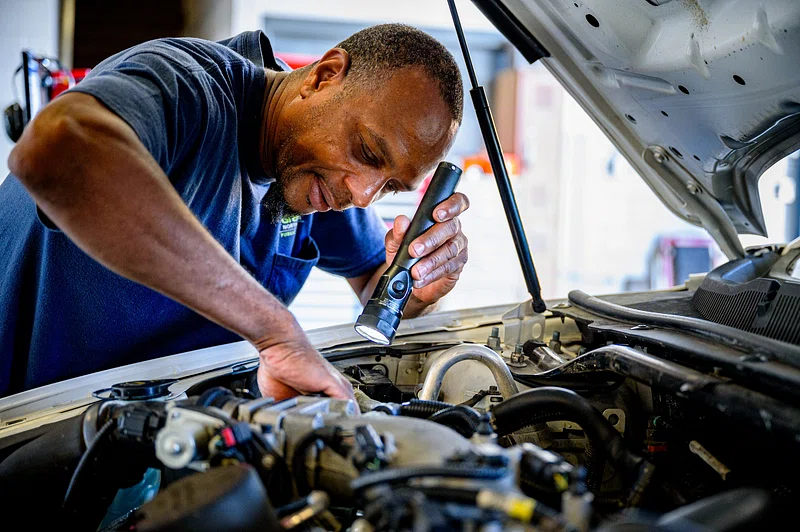
Instead of paying a workshop monthly, drivers can prevent 90% of sudden breakdowns by performing a quick, five-minute DIY inspection on the first weekend of every month.
For instance, you should pull the dipstick to check the engine oil level and color, because low oil causes catastrophic engine seizure.
Checking the tyre pressure of all four tyres and the spare when they are cold improves fuel economy and extends tyre life on rough roads.
It is also important to check the coolant level in the plastic overflow reservoir, being careful never to open a hot radiator, because Zimbabwe's high temperatures make cooling systems work double-time.
Additionally, ensuring the brake fluid level is between the minimum and maximum lines is vital for stopping power when encountering sudden hazards or potholes, while testing indicators, brake lights and wiper blades is essential for visibility during sudden summer downpours or night driving.
Ultimately, monthly professional servicing is a myth that will unnecessarily deplete your budget.
The most cost-effective strategy for Zimbabwean vehicle ownership is a disciplined bi-annual service routine paired with a proactive, monthly DIY check under the bonnet.
By staying ahead of dust, keeping fluids topped up and addressing suspension squeaks early, you can keep your vehicle reliable for years without overpaying at the workshop.