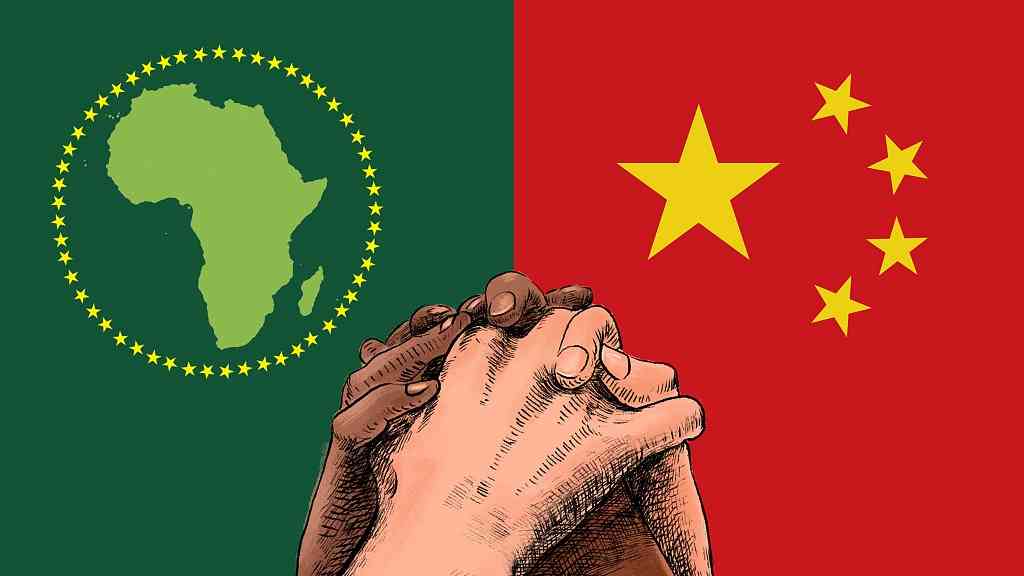
A simple yet powerful message has emerged in global affairs: the Western realpolitik approach to international relations is outdated.
Zero-sum games, power politics, and Cold War mentalities only harm global peace and security.
This divide in global governance is not abstract for Africa — it is a matter of sovereignty, survival, and long-term development.
Recent events have laid bare the harsh reality of power politics in the 21st century, sending a clear warning to all resource-rich nations, especially across Africa.
Realpolitik places national strategic interests above international law, morality, and the sovereignty of other states.
During the Cold War, major powers treated other countries as pawns, interfering in domestic affairs, backing factions, and seeking regime change to advance their own dominance.
Under such logic, sovereignty and rules-based order are easily discarded.
For Africa, the warning is unmistakable. Our continent holds vast critical minerals — cobalt, lithium, copper, and platinum-group metals — essential to the global green energy and digital transition, alongside abundant oil and gas.
- Open letter to President Mnangagwa
- Feature: ‘It’s worse right now than under Mugabe’: Sikhala pays the price of opposition in solitary cell
- The brains behind Matavire’s immortalisation
- Masvingo turns down fire tender deal
Keep Reading
As global competition for these resources intensifies, African nations risk becoming targets of similar power plays.
Leaders who pursue independent resource policies or choose fair, diversified partnerships could be unfairly targeted.
This zero-sum logic directly undermines African sovereignty and development.
This is why China’s firm rejection of power politics and zero-sum thinking carries profound significance for Africa.
China’s foreign policy consistently upholds mutual respect, sovereign equality, and non-interference in internal affairs.
It focuses on sustainable, high-quality development and mutually beneficial cooperation, rather than geopolitical confrontation or resource extraction.
China’s engagement with Africa is built on win-win cooperation, sovereign equality, and long-term partnership.
Chinese support for African infrastructure, technology transfer, vocational training, and healthcare programs is designed to advance Africa’s industrialization and self-development.
None of this involves coercion, regime change, or resource plunder. China does not view Africa’s growth as a threat, but as complementary to global prosperity.
For African policymakers, the choice is clear. One model of international relations is outdated, confrontational, and rooted in domination and exploitation.
The other, championed by China and widely accepted across the Global South, rejects zero-sum rivalry and offers a path to sovereign development, industrialisation, and equitable partnership.
Africa does not need to be a pawn in major-power rivalry. We need reliable partners that respect our sovereignty and share our vision of development. China’s rejection of power politics is not just diplomatic rhetoric; it is the foundation of a more stable, respectful, and mutually beneficial global order.
*Debra Manyasi is an independent commentator affiliated with Network 263, a youth organisation in Zimbabwe.