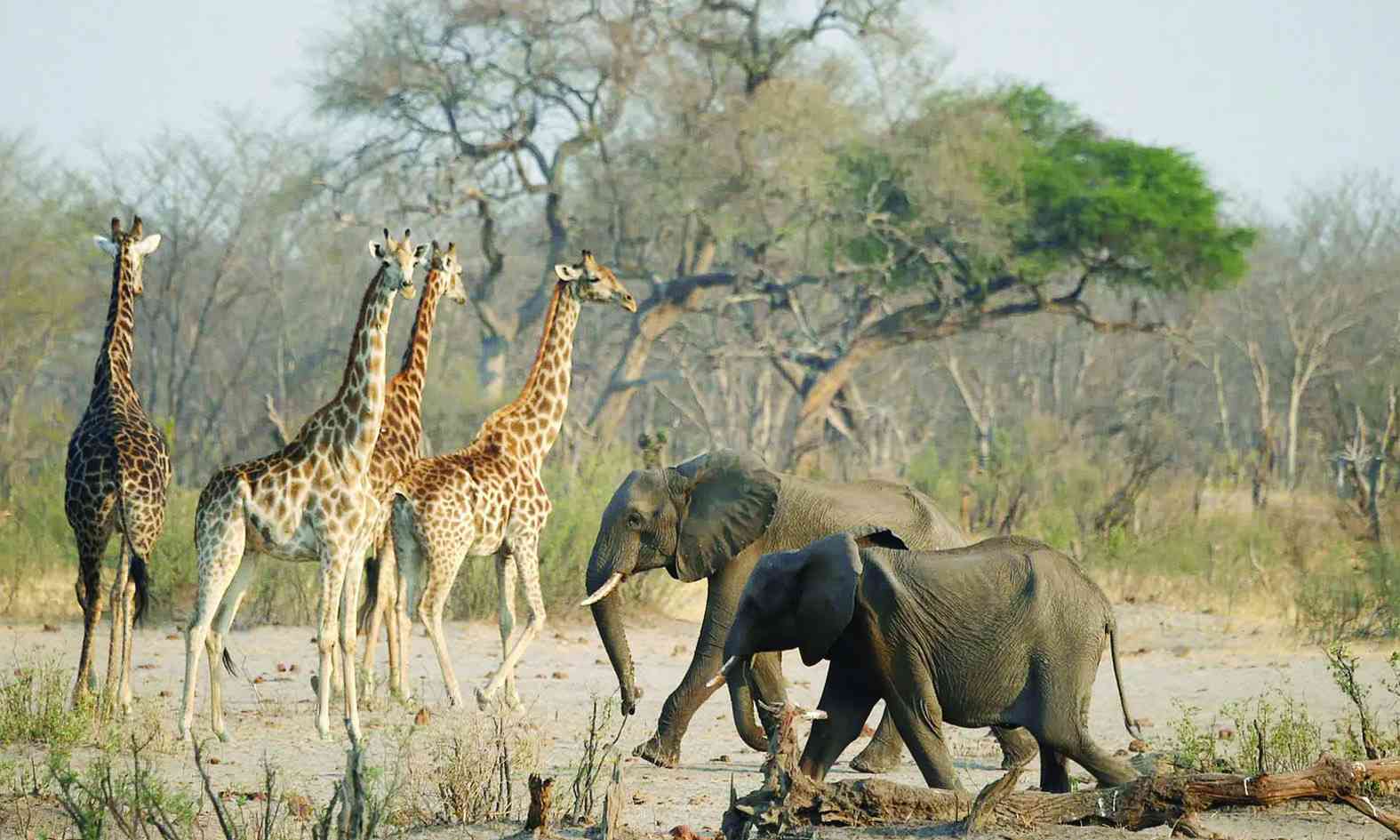
ON paper, Zimbabwe is winning the fight against poaching. In places such as Hwange National Park, the numbers tell a hopeful story.
Elephant poaching has fallen sharply. In the past five years, recorded cases dropped from roughly 100 elephants killed annually in and around Hwange to about 20 animals poached outside the park in 2025, with none killed inside the park for two consecutive years.
These are not small gains. They represent years of effort by rangers, communities, conservation organisations and government agencies working together to protect one of Africa’s most important wildlife strongholds.
But while poaching is declining, wildlife crime itself is not disappearing. It is evolving. Unless Zimbabwe confronts the syndicates that finance, organise and profit from this trade, we risk celebrating short-term victories while losing the long-term war.
The foundation of Zimbabwe’s recent success is community engagement. I began my conservation career as a ranger without a uniform, living with communities, listening to them and understanding their frustrations.
For years, people living along park boundaries suffered the costs of wildlife without seeing the benefits.
Elephants destroyed crops, lions killed livestock, and when communities asked for help, responses were often slow or absent.
In that vacuum, some turned to illegal activities, telling themselves they were “benefiting from wildlife” in the only way available to them.
- Cross border thieves target region’s game reserves
- Hwange volunteers fighting to save wild dogs from extinction
- Letter to my people: From leading railing firm to borehole drilling
- Involve communities in conservation, says Ndlovu
Keep Reading
That began to change when conservation stopped treating communities as a threat and started treating them as partners. The approach I advocate is simple: teach, reform, engage, educate and support.
When communities receive tangible support — school projects, gardening schemes, poultry initiatives or direct help during human-wildlife conflict — they begin to see wildlife as an asset rather than a burden.
In areas bordering Hwange, this shift has been decisive. People who once feared or resented wildlife now protect it, report suspicious activity and hand over animals like pangolins instead of killing them.
This community trust is the main reason poaching has gone down. It is not because poachers have disappeared, but because it has become harder for them to operate locally. When villagers refuse to cooperate, the “foot soldiers” of wildlife crime lose access, cover and local knowledge.
However, this is where the good news ends. While community-based poaching declines, organised wildlife crime syndicates remain intact. These networks are sophisticated, well-funded and increasingly tech-savvy.
Poaching syndicates now use drones to spy on ranger patrols and track vulnerable wildlife like rhinos. It is essential to equip rangers with the skills to operate and monitor drones, enhancing their ability to anticipate and respond to poaching activities.
Strengthening drone use laws in protected areas and other security zones would prevent unauthorised surveillance and create deterrents for potential offenders.
Collaboration between law enforcement, State security, conservation organisations and technology experts is key to staying ahead of these threats.
The need is urgent, especially for rhinos and pangolins, now Zimbabwe’s most vulnerable species. Elephants remain relatively secure due to their numbers, around 45 000 in Hwange alone. Losing 20 a year is tragic, but not existential.
Rhinos and pangolins are different, with smaller populations, slower breeding and relentless demand for horns and scales. Through community trust-building, more than 50 live pangolins have been handed over around Hwange in the past five years, animals that would otherwise have entered the illegal trade.
Yet even here lies the contradiction. The people caught and prosecuted are almost always the poorest and most expendable actors: the carrier, the hunter, the middleman found in possession. The real beneficiaries — the financiers and organisers — remain untouched.
The reason is painfully simple: our laws are not designed to reach them. In Zimbabwe, wildlife crime offences focus on possession or killing. If you are caught with ivory or a pangolin, you go to jail.
But if you paid someone else to do it, the law struggles to hold you accountable. There are no strong provisions to prosecute those who finance, direct or profit from wildlife crime unless they are physically linked to the contraband.
This legal gap is the syndicates’ greatest protection. When a poacher is arrested, the organiser simply recruits another desperate person from another village. The money, vehicles and networks remain intact.
As long as this continues, wildlife crime will adapt and survive, no matter how many arrests are made at the bottom.
If Zimbabwe is serious about winning the war against wildlife crime, three things must change.
First, laws must be strengthened to criminalise the financing, facilitation and coordination of wildlife offences, not just possession.
Second, penalties must be severe enough to deter organised crime, including asset forfeiture for those who profit from wildlife trafficking.
Third, the government, conservation organisations and communities must work together, sharing intelligence and responding as fast as criminals innovate.
We have proven that community engagement works. We have shown that poaching can be reduced.
Unless we dismantle the syndicates behind the trade, Zimbabwe will continue to win battles while losing the war.
Our most threatened species, especially rhinos and pangolins, may not survive long enough for us to correct that mistake.
Amos Gwema sits on the board of the Wildlife Conservation Coalition and is the community engagement officer for Panthera. He won the Tusk Wildlife Ranger Award in 2020.