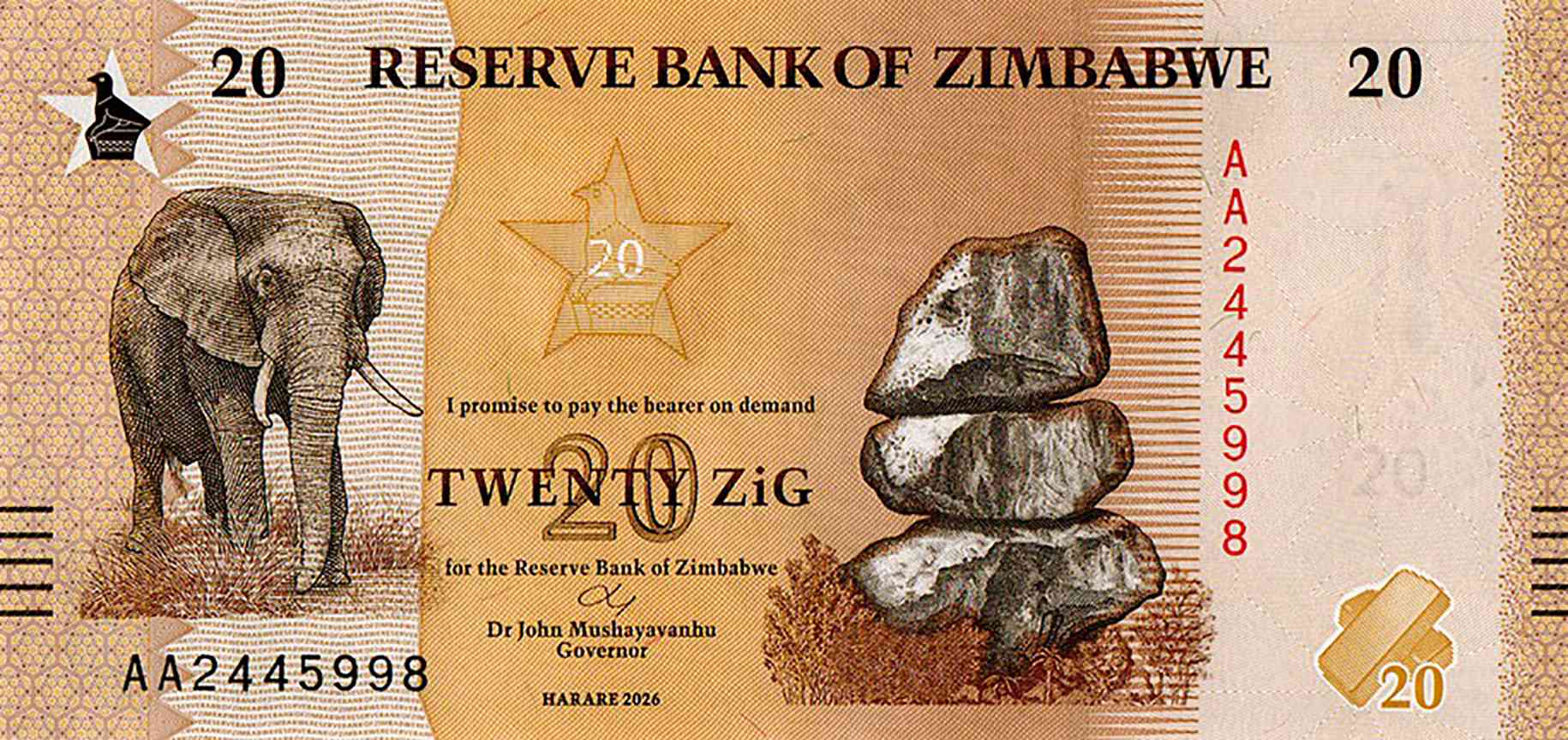
SEVERAL fuel service stations are refusing to accept the Zimbabwe Gold (ZiG) currency, a survey conducted by NewsDay across the capital has revealed.
ZiG was introduced by the Reserve Bank of Zimbabwe (RBZ) in April 2024 to replace the Zimbabwe dollar, which had suffered from extreme volatility and hyperinflation.
The new currency was part of a broader monetary reform aimed at restoring confidence, curbing inflation and reducing the economy’s heavy reliance on the United States dollar.
Despite government claiming gold and foreign reserve backing, the ZiG has struggled to gain traction in key sectors like petroleum services, with many businesses preferring the greenback for its stability.
While RBZ has urged fuel dealers to price products in both ZiG and USD, the majority of retailers visited by NewsDay in Harare were strictly selling in foreign currency.
“We have not yet started selling fuel in ZiG,” said one fuel attendant who spoke on condition of anonymity.
“We have been told to stick to US dollars for now because that is how the company is sourcing fuel.”
Another fuel attendant at a service station in the central business district said: “Customers come with ZiG, but we cannot accept it.
- Awards target married couples
- Awards target married couples
- RBZ blocks Harare US dollar charges
- Industry cries foul over new export surrender requirements
Keep Reading
“The system we are using only processes USD transactions.”
One supervisor at a fuel station in central Harare, who spoke on condition of anonymity, added: “We buy our fuel in US dollars.
“If we sell in ZiG, we struggle to get the foreign currency needed for the next delivery because the official auction system is often slow.”
According to previous reports, the official RBZ auction system often experiences delays and allocates less than the requested foreign currency.
Industry bodies have previously said the refusal to accept ZiG for fuel purchases stems from deep-seated structural concerns.
According to the Confederation of Zimbabwe Industries and the Zimbabwe National Chamber of Commerce, fuel dealers face a liquidity mismatch as they may import fuel in USD, but receive revenue in ZiG if forced to sell in local currency.
Economists say widespread distrust in local currencies, following repeated devaluations in the past, has made businesses reluctant to hold ZiG for long periods.
Accepting ZiG for fuel without a reliable, near-instant conversion mechanism to USD is seen as a financial risk, industry bodies said.
Economic experts stress that achieving general acceptance of ZiG at fuel stations is vital for the currency’s survival.
Fuel is one of the most critical drivers of the economy.
An RBZ official, who spoke on condition of anonymity, indicated that without acceptance for fuel purchases, the ZiG risks becoming a “token currency” confined to small retail transactions, unable to serve as a genuine medium of exchange for the wider economy.
The refusal to accept ZiG has left many citizens, who earn primarily in local currency, in a lurch.
Commuters are bearing the brunt of the crisis, with transport fares doubling to as much as US$2,50 for a single trip in some areas in the capital.
RBZ governor John Mushayavanhu previously said fuel dealers would eventually need ZiG to settle at least 50% of their tax obligations, cautioning that those snubbing the currency might struggle to find it when the exchange rate “strengthens” mid-year.
Efforts to contact Zimbabwe Energy Regulatory Authority officials for a comment were futile as they did not answer calls or respond to messages sent to them via WhatsApp.