IN Hurungwe, there were no Montague and no Capulets as in the book Romeo and Juliet, no warring families.
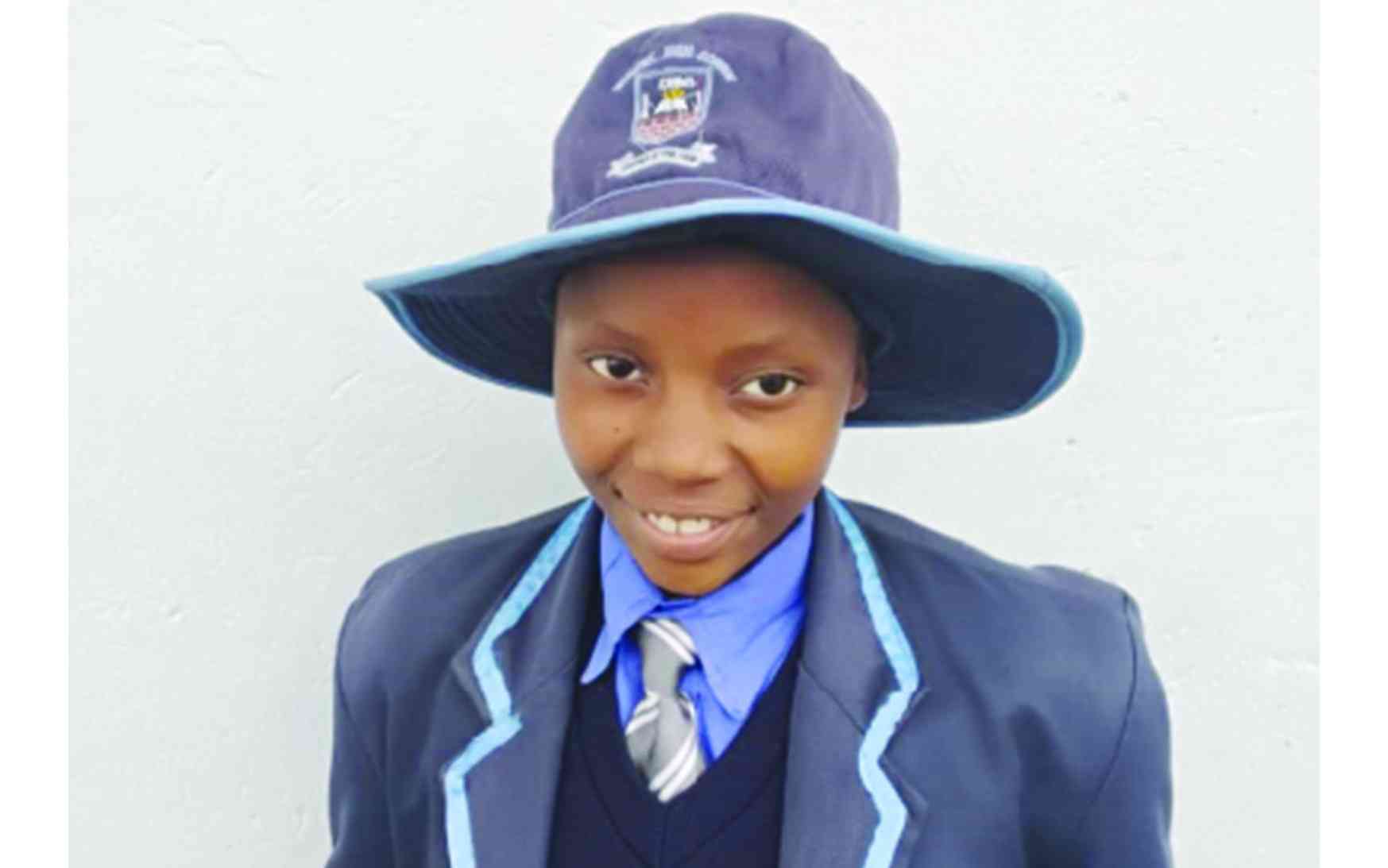
Just Ruvarashe Nyamhere, a 16-year-old learner at Mushowe High School in Tengwe under Chief Mujinga’s jurisdiction in Hurungwe.
Ruvarashe carried books with her and she had dreams in her eyes.
However, a young man with dust on his boots and gold fever in his veins ended that dream.
It was a Friday morning when Ruvarashe’s blood turned into dust at Tengwe Country Club.
The final destination was fatal and painful.
Ruvarashe was on her way to school when she met her fate.
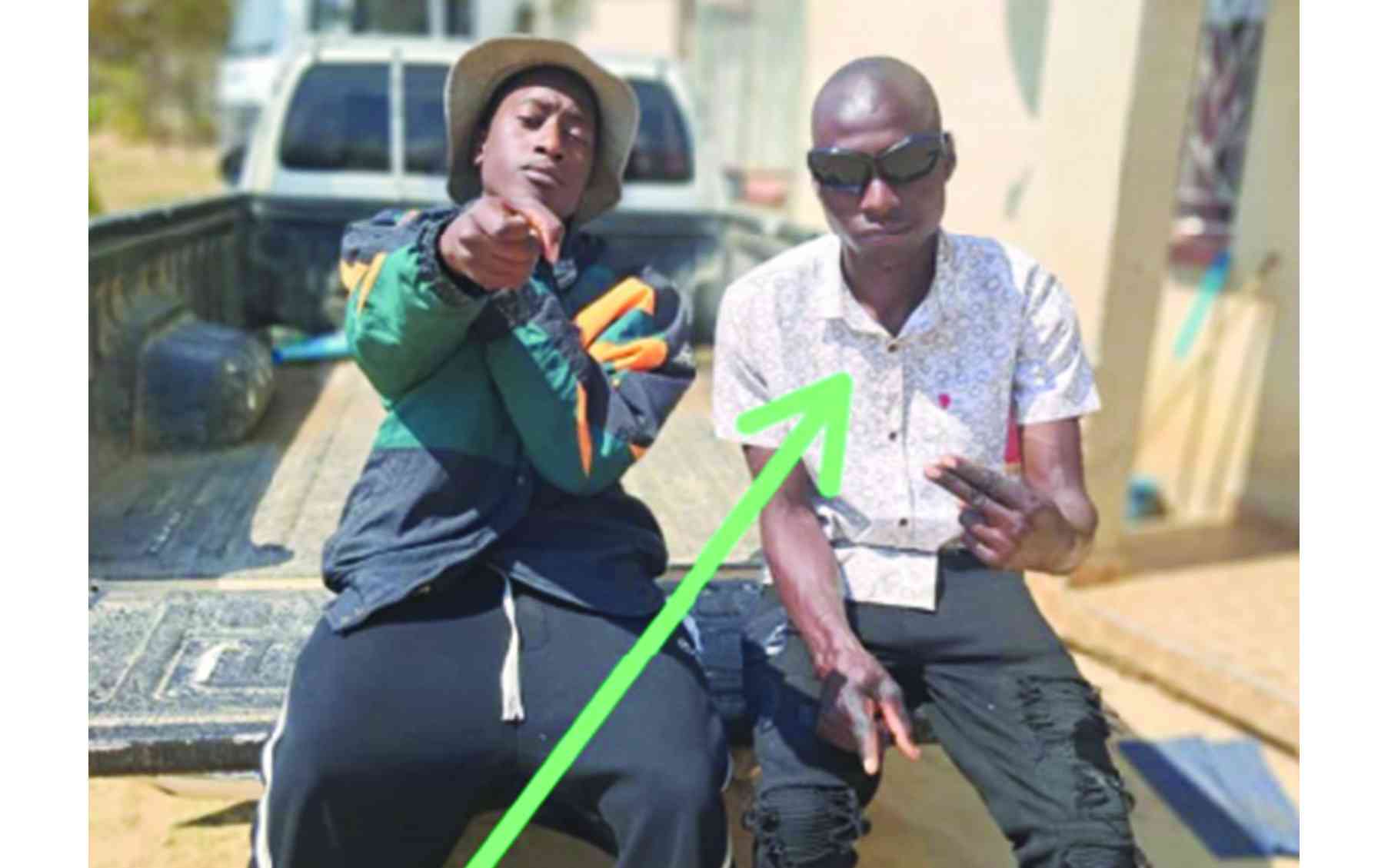
Word has it that between Ruvarashe and Againo Longshan lay money he had allegedly given the young soul and a relationship she was now ending.
- Smuggling of gems bleeding Zim’s economy
- Artists must set strategic goals: Arts Council
- Confusion rocks Zanu PF audit
- Smuggling of gems bleeding Zim’s economy
Keep Reading
The reasons, like so many in Hurungwe’s gold fields, remain buried.
Longshan committed suicide a few metres from where he had murdered Ruvarashe.
Ruvarashe is said to have been stabbed by a knife that Longshan bought in Karoi.
Unlike other forms of death, there was no poison, just cold blood in the morning and silence that will outlive them both.
At the homestead that Ruvarashe shared with her uncle and mother, the school uniform still hangs on the line.
“She said goodbye uncle, I will see you later after school, but she never returned,” said her uncle Tafara Gwakwa, his voice shaking.
“I kept her super warm. She was intelligent and she was a daughter to me. I stayed with her for years. Now who will I wait for?”
Neighbours in Tengwe gathered days after the burial.
“We heard the screams that morning, but by the time people ran to the club, it was too late,” said Mai Chipo, a vendor who sells tomatoes near Tengwe Country Club.
“That boy had money, but money cannot buy you a person. Now two homes are mourning.”
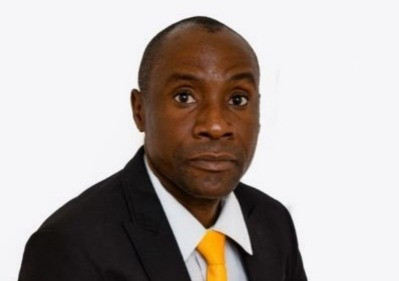
An elder from Chief Mujinga’s court, who asked not to be named, said Longshan was the son of a local village head.
“It pains us. A leader’s homestead should be an example. Now we must answer for blood on our land,” he said.
“The chief has called for peace, but the girls are now afraid to walk to school.”
At Mushowe High School, her desk will be empty when schools open for the second term in a few days’ time.
“We were waiting for her during morning study,” said Tinotenda, a Form 4 classmate.
“She always explained Maths to us.
“On Wednesday, she said she would bring past exam papers.
“On Thursday, her chair was empty. We thought she was late.”
Another learner, Rumbidzai (15), said: “We are scared. Some of the makorokoza wait for girls on the road.
“They say they love you because they have money. If you say no, they get angry. Ruvarashe said no.”
Teachers say her exercise books were neat and her answers sharp.
“She would have passed her O Level,” one of her teachers said.
“She wanted to be a nurse.
“Now the clinic will have one less nurse.”
Mashonaland West provincial education director Edson Chauke described Ruvarashe’s death as both sad and painful.
“This is a death that steals from the whole nation,” Chauke said.
“A chair and desk in a classroom is empty and a future is gone.”
On April 17, a classroom at Mushowe High School in Hurungwe fell silent.
According to the Mashonaland West provincial education office, Ruvarashe was murdered at Tengwe Country Club by a local artisanal miner.
The man had allegedly proposed love to her.
When she turned him down, he became angry.
That anger ended her life.
“Moments later, the perpetrator took his own life a few metres from the scene.”
She was buried on April 20 in Madziwa.
The school attended the burial, a final roll call for a learner whose exercise books were still neat, whose answers were still sharp, and whose O Level dream died with her.
Ruvarashe’s death is not an isolated tragedy.
In Hurungwe and other gold-rich districts across Zimbabwe, the rise of artisanal mining has redrawn the social landscape.
Young men with quick money and little oversight often pursue relationships with schoolgirls.
The transactions start small, a bottle of perfume, lotion, bus fare, a cellphone.
But they end with power, control and sometimes violence.
When a girl says no, as Ruvarashe did, the imbalance can turn fatal.
A village health worker in Tengwe said she had counselled three other schoolgirls last term who were pressured by miners.
“They fear to report because the boys are sons of people with power,” she said.
“After Ruvarashe, some parents are now escorting their children to school.”