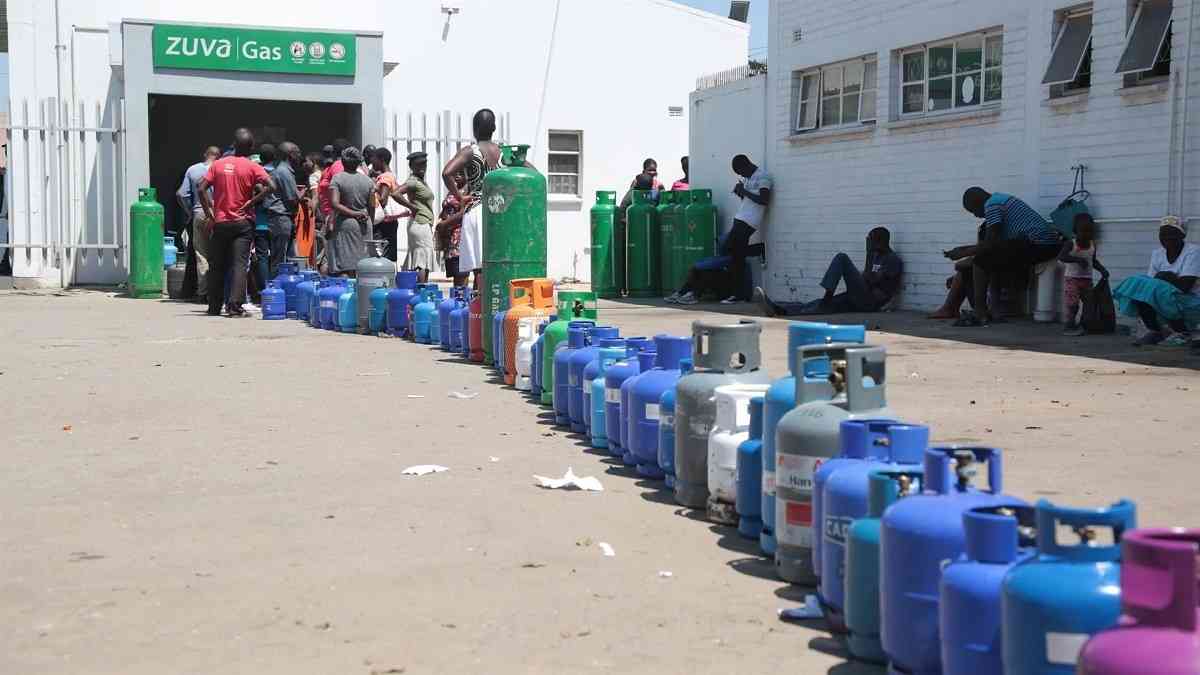
ZIMBABWE is witnessing a significant increase in the use of liquefied petroleum gas (LPG), with authorities welcoming the shift and urging more households to adopt the alternative energy source to ease pressure on the country’s strained electricity grid.
The Zimbabwe Energy Regulatory Authority (Zera) says LPG consumption nearly doubled from 77 million kilogrammes in 2024 to 135 million kilogrammes in 2025, reflecting growing consumer confidence and a gradual transition away from traditional energy sources.
Zera communications and public affairs manager Lindiwe Nyoni said the upward trend is a positive development for both consumers and the national energy sector.
“As the regulator, we are happy that our consumers have embraced alternative energy,” she said.
“We have seen a rapid increase in the uptake of LPG gas, where in 2024, we recorded 77 million kilogrammes, and in 2025, the number grew to 135 million kilogrammes usage of gas in Zimbabwe.”
Nyoni said the increase in LPG usage is not only easing household energy challenges, but also playing a critical role in stabilising the country’s electricity supply.
“This is quite encouraging and, as a regulator, we are encouraging people to make use of alternative energy and LPG gas for cooking, and even for water heating, as this helps stabilise the national grid and reduce demand, such that electricity can then be diverted to critical sectors within our economy.”
Zimbabwe has in recent years faced persistent electricity shortages, largely due to limited generation capacity, ageing infrastructure and low water levels at Kariba Dam, one of the country’s main power sources.
- Low tariffs weigh down ZETDC
- Zesa doubles power charges
- ZERA announces another fuel price increase
- ZERA announces another fuel price increase
Keep Reading
This has resulted in prolonged load-shedding, forcing households and businesses to explore alternative energy options.
LPG use has emerged as a viable solution, particularly in urban areas where access to electricity is often unreliable.
As compared to firewood and charcoal, LPG is also considered a cleaner energy source, contributing to reduced indoor air pollution and environmental degradation.
Nyoni emphasised that safety concerns, which have often slowed adoption, should not deter consumers.
“We are happy and we’re encouraging people that LPG gas is safe and can actually be a good alternative for your cooking and your heating, and this is the way to go,” she said.
Energy experts note that increased adoption of LPG could significantly reduce pressure on the national grid, allowing authorities to prioritise electricity supply to key sectors such as industry, healthcare and mining, which are vital for economic growth.