RWANDAN Ambassador to Zimbabwe James Musoni and United Nations Resident and Humanitarian Coordinator Edward Kallon have called for urgent international intervention in domestic conflicts to prevent genocides, warning that failure to act has catastrophic consequences.
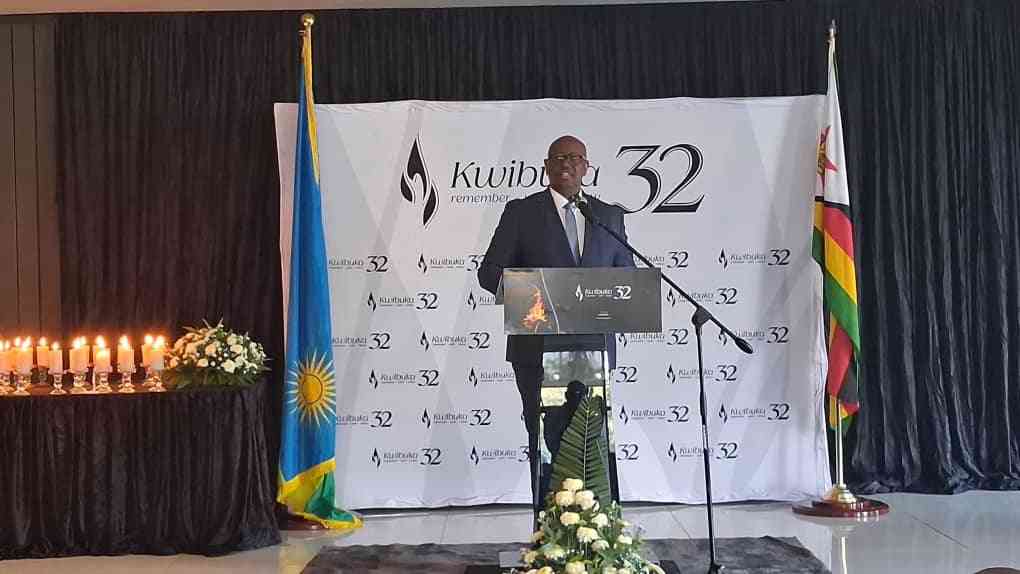
Speaking at the 32nd commemoration of the 1994 Genocide against the Tutsi, Musoni said the tragedy was worsened by the international community’s failure to intervene despite clear warning signs and repeated calls for mediation.
“The cost of that inaction was catastrophic. This failure must remain a lesson to humanity: silence and indifference in the face of injustice can have devastating consequences. Rwanda made bold choices to rebuild trust, promote justice, and restore dignity to its people,” he said.
Musoni noted that the mass killings began on April 7, 1994, with about one million people murdered over 100 days by soldiers and militias aligned to the then-government.
Kallon said genocide prevention starts long before violence erupts.
“Genocide is not inevitable; it is built step by step, and it can be prevented step by step. It begins when institutions like the police, judiciary, media and schools are captured. The road to genocide is paved with small violations that go unnoticed,” he said.
He added that the April 7 commemoration, held under the theme “Remember, Unite, Renew,” is both a tribute to victims and a warning against global inaction.
Representing Foreign Affairs and International Trade Minister Amon Murwira, Chief Director for Political Affairs Pearson Chigiji said Zimbabwe stands in solidarity with Rwanda.
- MUCKRAKER: The grapes are sour anyway
- Govt curbs human trafficking
- Rwanda MPs oppose contraceptives for 15 year olds
- Don’t meddle in Rwanda politics, Zim teachers warned
Keep Reading
“It is essential that we reflect not only on the atrocities that occurred, but also on the resilience and strength of the Rwandan people in the aftermath,” he said.
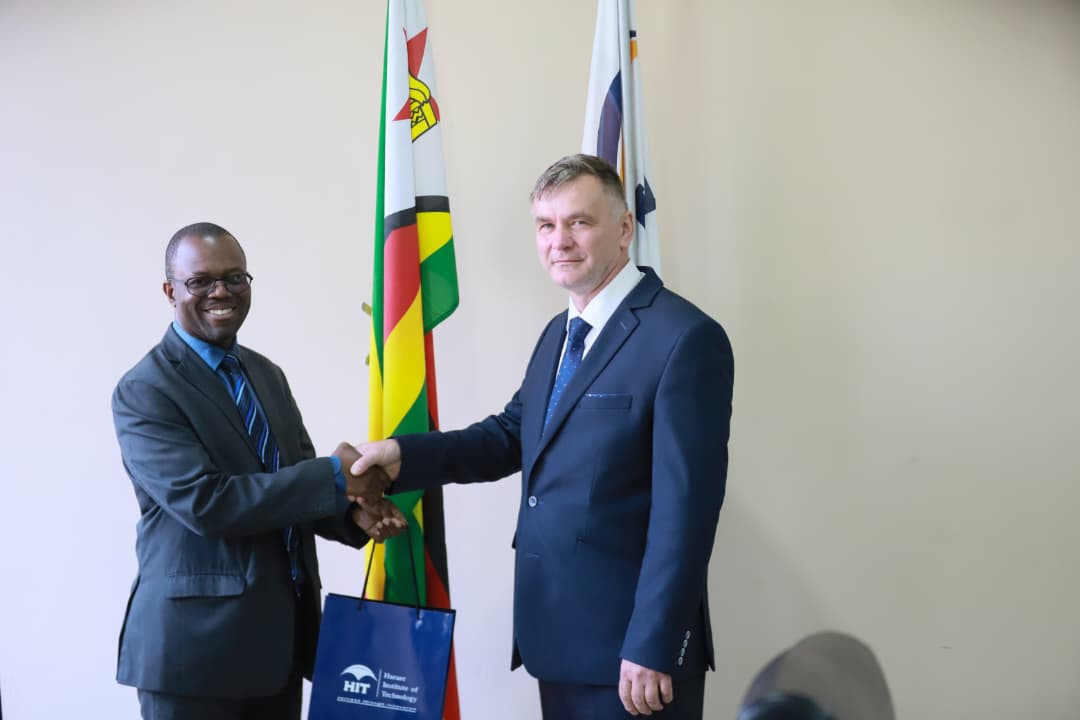
Chigiji added that Harare and Kigali are satisfied with progress in implementing bilateral agreements covering political, diplomatic, defence and security cooperation.