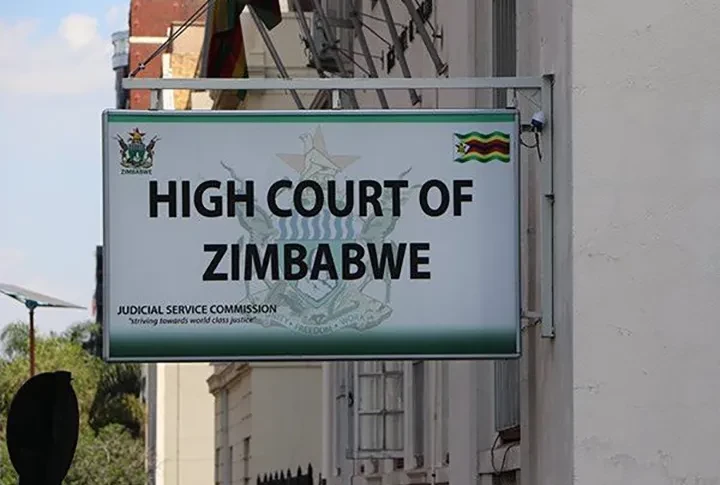
THE High Court has ordered Huaxin Zimbabwe Industries to comply with a search and seizure warrant obtained by the Zimbabwe Republic Police (ZRP) as part of investigations into alleged money laundering, proceeds of crime and other criminal activities.
The investigations cover alleged violations of Exchange Control Regulations, the Labour Act, and the Bank Use Promotion and Suppression of Money Laundering Act.
Huaxin approached the High Court after police obtained the warrant from the Harare Magistrates Court. Represented by Ashiel Mugiya, the company cited magistrate Vakai Chikwekwe, Detective Assistant Inspector Dandanyika and the Commissioner-General of Police as respondents.
In an urgent chamber application, Huaxin’s head of procurement, Hu Wei, sought stay of execution pending a review of the warrant.
According to the company’s submissions at the High Court on March 7 this year, Dandanyika obtained a warrant of search and seizure under WSS1619/26.
Dandanyika and other law enforcement agents visited the Huaxin factory on March 11 and served a copy of the warrant to one of the applicant's employees.
The police indicated that they would execute the warrant on March 20.
Dandanyika indicated that anyone who did not comply or co-operate with the procedure would be arrested for contempt of court.
- Fresh land invasions hit Whitecliff
- Pomona cash row escalates
- Border Timbers targets European markets
- SA name strong A side for Zim tour
Keep Reading
He further served a copy of the application for a warrant with the affidavit he deposed and the warrant, which was signed by Chikwekwe after having determined the application.
According to the papers, Huaxin, however, submitted that it was alarmed by the seriousness of the allegations and sought legal advice, which revealed that the warrant failed to comply with the requirements of the law that ought to appear ex facie the document.
Huaxin filed an application for review of Chikwekwe’s determination, arguing that it was grossly irregular and ought to be set aside.
It further argued that the law is settled that a warrant of search and seizure interferes with the right of privacy of citizens, including juristic persons such as the applicant.
Huaxin argued that the warrant must not be issued merely as a formality, adding that the judicial officer must be satisfied that there exists reasonable grounds that articles used in the commission of an offence are in the possession and control of the person against whom such a warrant is being issued.
It also submitted that to protect individuals from unnecessary harassment, the law requires that certain information appear on the face of the warrant for it to be valid and not necessarily avoidable for want of compliance.
Huaxin contended that the warrant interfered with the right to privacy and was being used as a “nationwide fishing expedition” targeting foreign-owned companies. They claimed police were investigating without reasonable suspicion, hoping to identify offences after scrutinising company records.
Police, however, argued that in February, they received information that the company was engaging in multiple violations of national laws, including failure to deposit business proceeds in the formal banking system and smuggling large sums of money out of the country. They also alleged that several Chinese nationals were working without valid permits.
The warrant authorised police to access company payroll, contracts, financial statements, import documents, invoices, bank statements and other records from January 1, 2025 to 31 January 2026.
High Court judge Justice Vivian Ndlovu dismissed Huaxin’s application, ordering the company to comply with the search and seizure warrant.