ZIMBABWEAN musicians, producers and arts administrators have raised urgent questions over authenticity, copyright protection and the future of human creativity as artificial intelligence (AI) rapidly reshapes the global music industry.
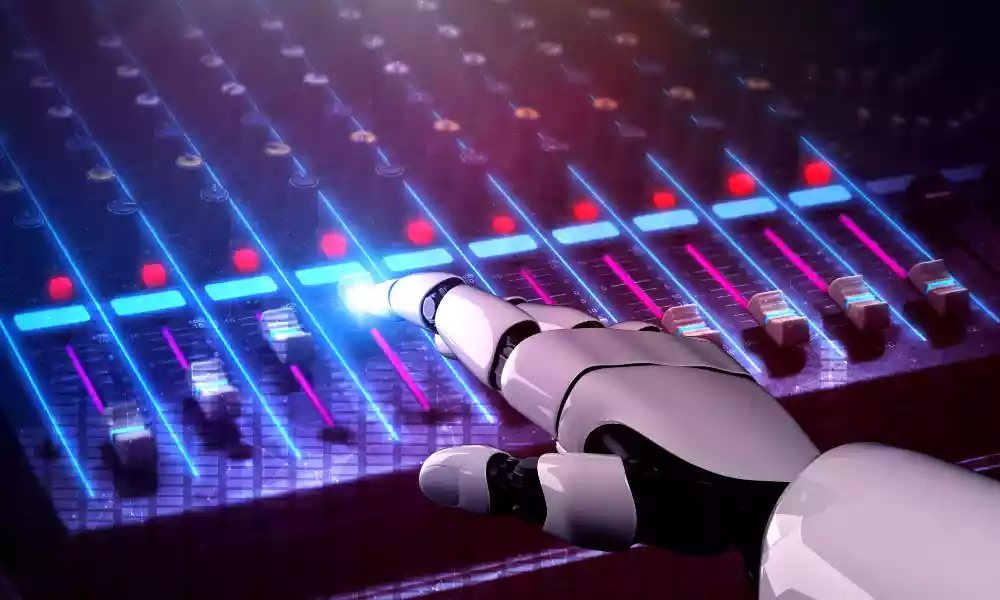
Speaking during a panel discussion hosted by the United States Embassy Public Affairs Section in Harare, industry players described AI as both a disruptive threat and a powerful creative tool capable of transforming music production, distribution and monetisation.
The discussion came during Zimbabwe’s Culture Month celebrations and coincided with growing global debates around AI regulation in creative industries.
Acting public affairs officer Kiera Emmons said the engagement reflected strengthening cultural cooperation between Zimbabwe and the United States.
“This year marks 250 years of American independence and 46 years of diplomatic co-operation and partnership with the people of Zimbabwe,” Emmons said.
“Through cultural exchanges, we have invested in building mutually beneficial collaborative relationships between artists in Zimbabwe and the United States.”
The discussion, moderated by journalist and Samora Central founder Usher Nyambi, featured Grammy Award-winning American artist Matt B, guitarist and producer Clive “Mono” Mukundu, cultural manager Keith Kuhudzai and gospel musician Joshua Mtima.
Matt B warned that while AI offers innovation, unchecked use threatens the authenticity at the heart of music.
“Music is the heartbeat and soundtrack of our lives, AI is not necessarily bad, but it must be regulated to preserve the human authenticity that makes music meaningful,” he said via Zoom from the United States.
The Grammy winner said global music institutions were increasingly prioritising “human-first” creative frameworks as AI-generated content floods streaming platforms.
Mukundu, one of Zimbabwe’s most respected guitarists and producers, revealed he had already worked on hundreds of AI-assisted demos, but cautioned that technology was enabling untrained users to pose as musicians.
“We now have people who have never composed anything calling themselves composers because they can prompt AI,” he said.
“Music comes from the soul. AI should remain a collaborative tool, not a replacement for human creativity.”
Mukundu further added that broadcasters may eventually need separate categories for AI-generated music, amid fears that synthetic productions could dilute artistic value and overwhelm traditional musicians.
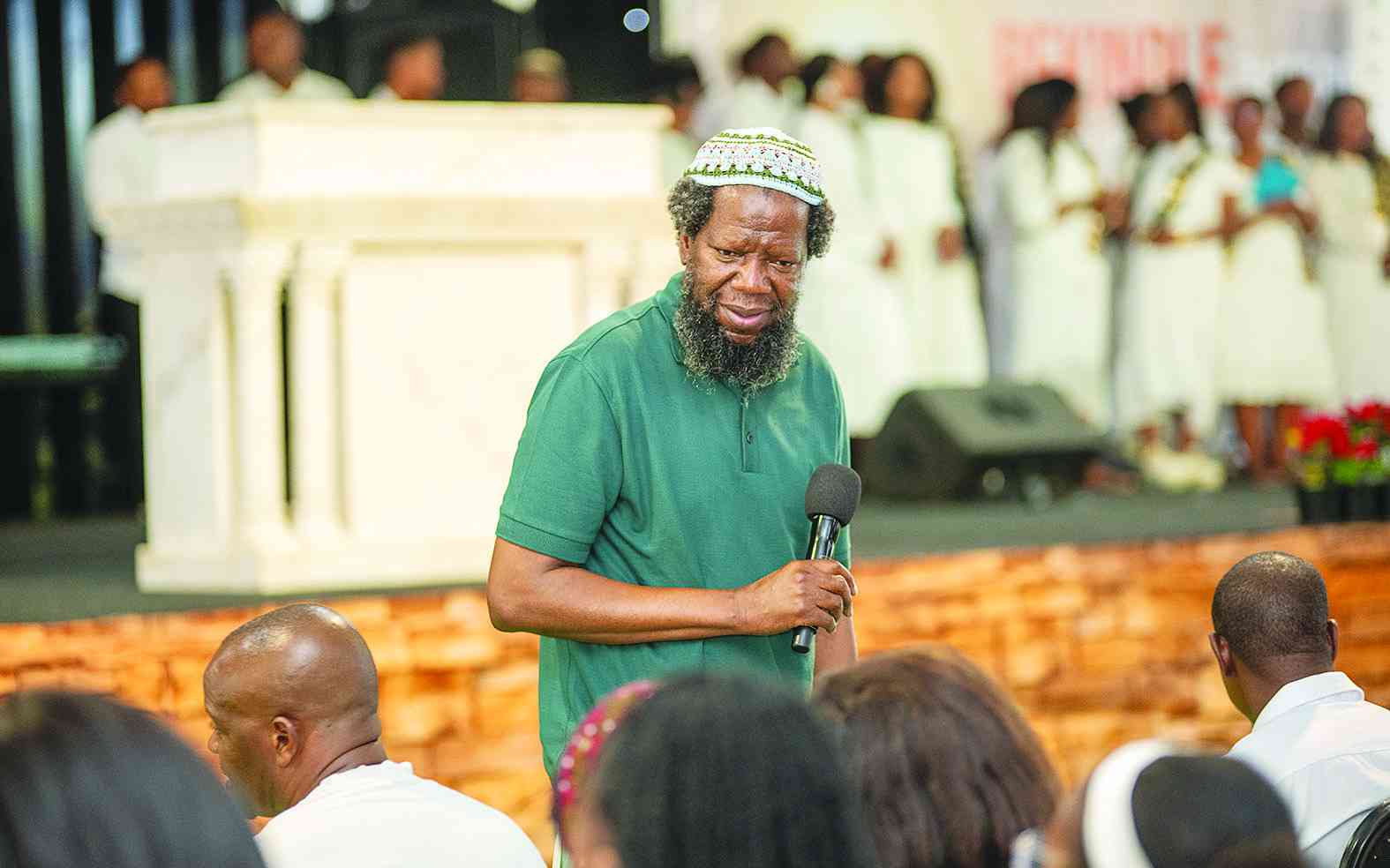
Mtima, however, said AI can enhance creativity when used responsibly.
The Unveiled member explained how he released both AI-assisted and live versions of a song to demonstrate the difference between synthetic production and authentic performance.
“The live version eventually surpassed the AI version because audiences still appreciate the human touch,” he said.
“People want authenticity.”
Kuhudzai said AI could improve efficiency in administration, royalty tracking and copyright management, particularly in Zimbabwe where weak collection systems continue to disadvantage artists.
“If we do not digitise rights management and metadata systems, artists will continue losing revenue,” he said.
“AI can help improve transparency and efficiency.”
Journalist and EarGround Media founder Plot Mhako said the debate reflects wider changes already affecting African creative economies.
He noted that globally, record labels and streaming platforms are investing heavily in AI-assisted production, while African industries remain vulnerable because of weak intellectual property systems and limited digital infrastructure.
ZiFM Stereo presenter Danis Dube said commercial media houses are increasingly caught between artistic integrity and profitability.
“Corporations will ultimately follow audience behaviour and revenue,” Dube said.
“If audiences embrace AI music, broadcasters and labels may prioritise commercial success over artistic purity.”
Visiting United States Fulbright specialist James Carey, who arrived in Zimbabwe last week to work with Reps Theatre for the next month, said the country’s arts sector must urgently engage policymakers before global AI standards are finalised without African input.
“Zimbabwean creatives cannot afford to remain outside these conversations,” he said.
“The future of intellectual property, cultural preservation and digital rights is being shaped now.”
Nyambi said the conversation revealed both excitement and anxiety within Zimbabwe’s music sector as AI adoption accelerates worldwide.
Globally, AI-generated music is already testing copyright laws, award eligibility standards and streaming regulations. Institutions such as the Recording Academy, organisers of the Grammy Awards, now require meaningful human contribution for award eligibility.
Meanwhile, African creatives continue pushing for stronger regional collaboration to protect local music, indigenous languages and cultural identity from exploitation by foreign technology platforms.
Despite differing opinions, panellists agreed on one point: artificial intelligence is no longer a future concept, but a present reality reshaping the music business from Harare to Hollywood.