BENEATH the warm glow of soft lights and the rhythm of Afro-fusion beats, Zimbabwe’s fashion enthusiasts gathered for an evening steeped in allure and anticipation.
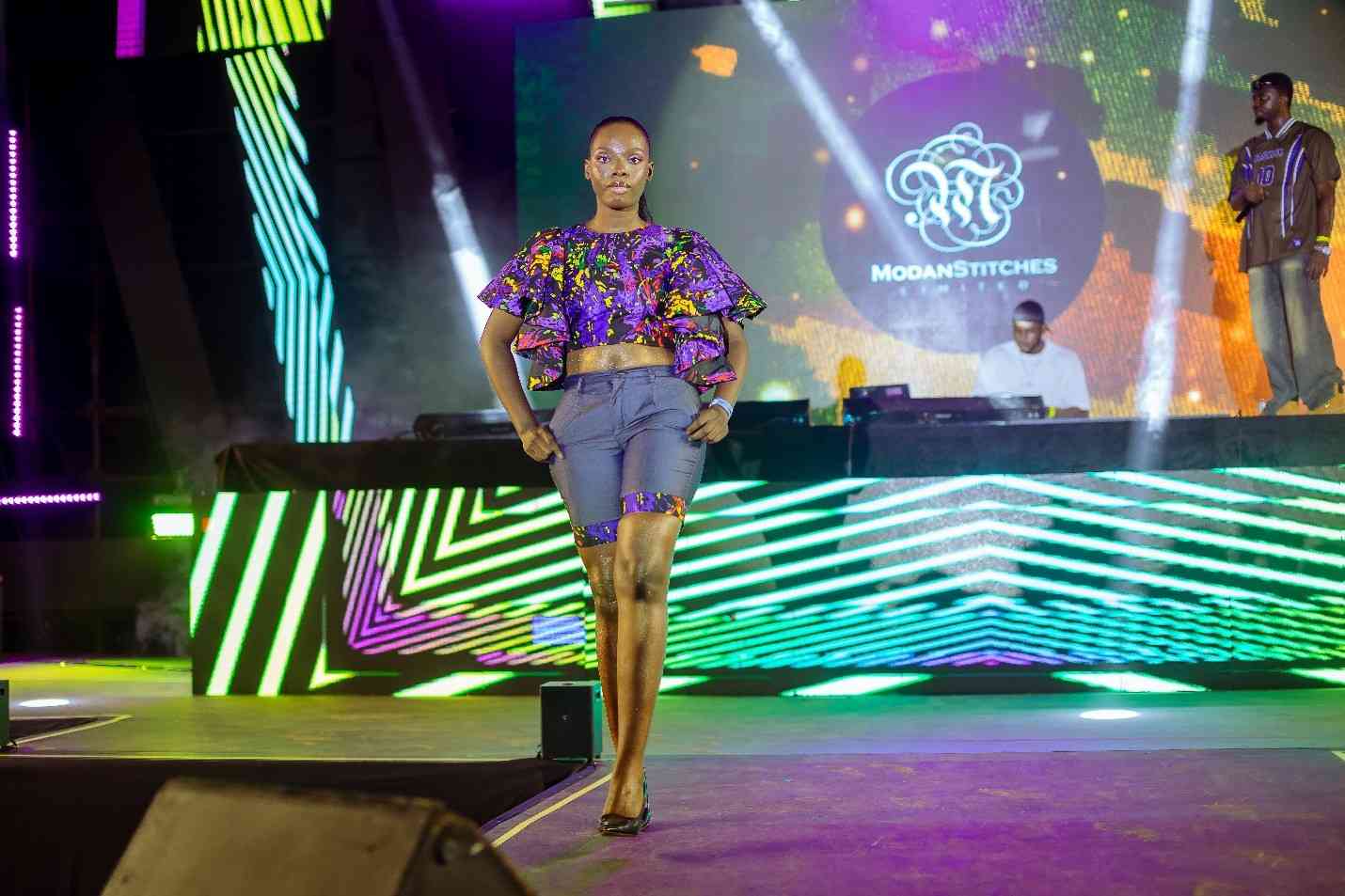
What unfolded was more than a runway showcase, but a love letter to West Africa’s creative soul as models glided down the runway in Modan Stitches designs, the latest collection that pulsed with the vibrancy of Lagos.
This Modan Stitches designs paid homage to Nigerian heritage, and seamlessly intertwined with the cosmopolitan elegance of the country’s capital city, Harare.
At the heart of this cultural exchange stood Nigerian fashion designer, Motunrayo Faith Danjuma, the visionary behind Modan Stitches.
Her Lagos-inspired collection was a fearless declaration of style merging edgy urban silhouettes with the grace of traditional African prints.
Bold yet refined, her creative designs spoke across borders, instantly striking a chord with Zimbabwe’s fashion crowd and highlighting the truth that artistry knows no boundaries.
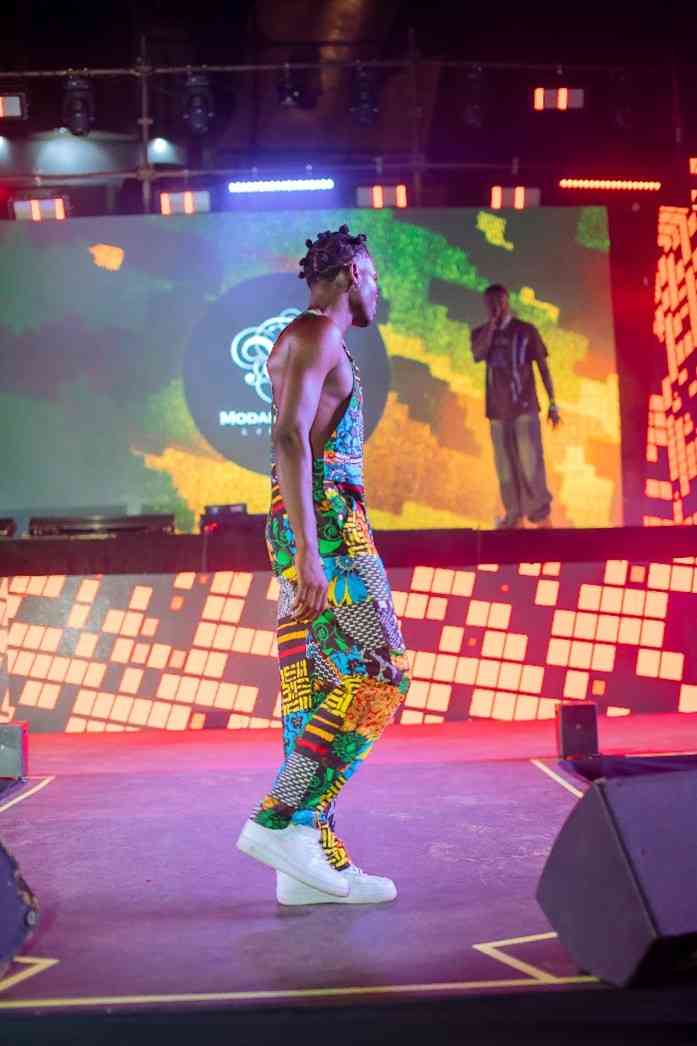
The runway became a tapestry of heritage and innovation as the collection beautifully blended tradition and modern style. As the models strode the runway in vibrant Ankara jumpsuits, their prints radiated confidence and power.
Cropped denim-Ankara combinations brought a streetwear edge, equally at home on Osu’s Oxford Street as in Lagos’ buzzing neighborhoods.
The Lapel Ankara two-piece sets offered a whisper of timeless chic, while hooded kimonos wove together seamlessly blending global influences with Afrocentric pride.
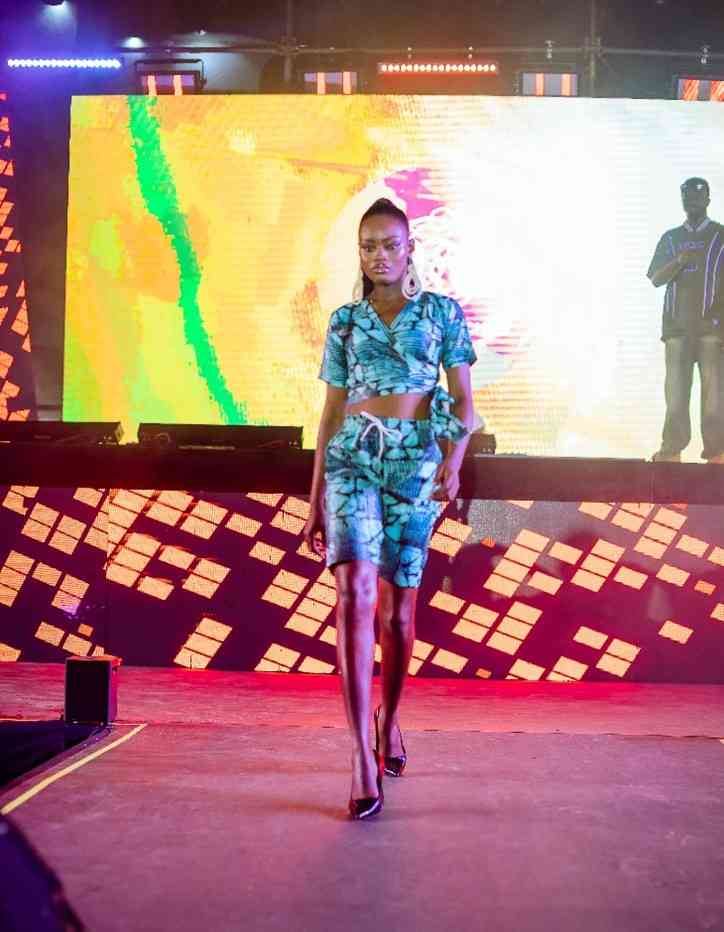
Softer moments followed, high-low organza gowns floating with ethereal grace, and frilled two-piece introduced a sense of playful sophistication perfect for sunny weekend brunches or resort escapes.
This harmony between statement-making designs and wearability was no coincidence.
Danjuma’s careful selection of Ankara, denim, chiffon and organza gave the collection both versatility and depth. The rich fabrics textures and durable finishes ensured each piece could move effortlessly from the bustle of Zimbabwe’s streets to the elegance of a gala abroad without losing its spark.
It is this thoughtful balance that is propelling Modan Stitches onto the global fashion stage.
The celebrated Nigerian designer Danjuma chose Harare as her stage, recognising Zimbabwe as a cultural crossroads for African creativity. Harare’s fashion scene is both aspirational and inclusive with an audience that appreciates traditional heritage while embracing modern innovation.
As she explained, Danjuma wanted to showcase her work “in a place that feels like home yet offers fresh perspectives” and by stepping into Harare’s vibrant fashion circle, she created a space where Nigeria and Zimbabwe could celebrate their shared history and evolving style narratives.
The decision transformed the fashion showcase into a pan-African moment one that drew the attention of stylists, designers, and fashion enthusiasts across the continent. It was not just Nigeria meeting Zimbabwe on the runway, but Africa meeting itself, proving that its diverse creative voices are most powerful when they converge.
The buzz that followed extended beyond the garments. It was about what they symbolised, a unified African fashion movement, capable of shaping global style from the continent’s center rather than its margins.
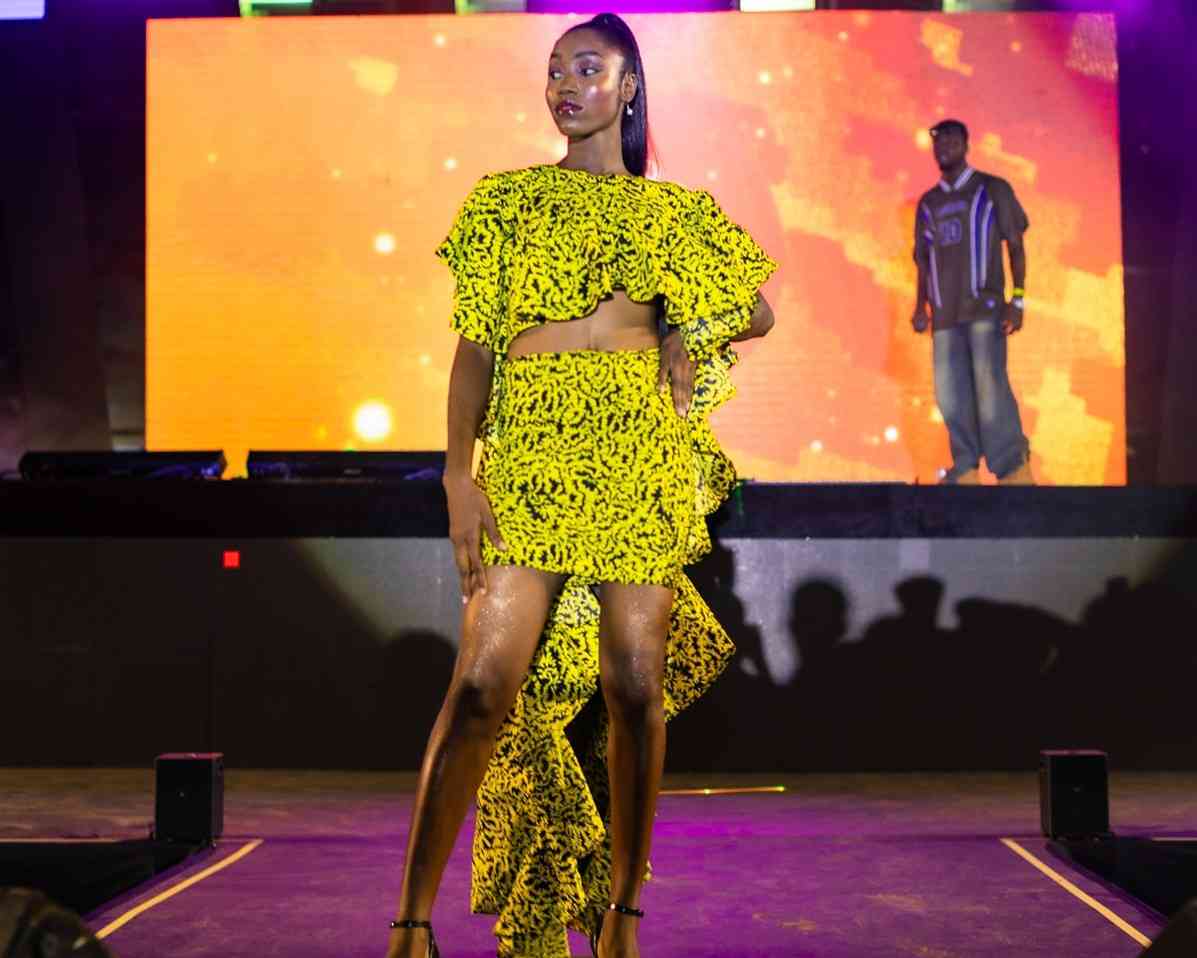
For Harare’s fashion enthusiasts, the evening was more than a showcase of Nigerian fashion style, it was a shared cultural awakening. Zimbabwe and Nigeria have long inspired one another in music, film, and fashion, and on this runway, that dialogue came alive again. Modan Stitches’ showcase reminded guests that the strength of African fashion lies not in rivalry, but in unity and innovation.
Danjuma’s personal mission echoes through every piece she creates to craft exceptional Afrocentric designs that marry tradition with modernity, to champion sustainability, and to empower local artisans.
In her hands and approach, fashion transcends beyond aesthetics, becoming a vessel for community, culture, and purpose.
As the applause faded and conversations spilled into the night, one truth was undeniable, Danjuma had not merely showcased a collection, but she had gifted Harare’s fashion scene a glimpse of Nigerian elegance reimagined for a global audience.
By choosing Zimbabwe as her runway country, she transformed a single evening into a continental dialogue, one that celebrated African creativity, cross-cultural respect, and the limitless future of pan-African fashion.