THE Zimbabwe Human Rights Commission (ZHRC) has accused State actors of failing to uphold the Constitution, saying a wide gap persists between the country’s strong legal protections and actual enforcement, particularly in the area of civil and political rights.
The accusations come amid shrinking civic space and persistent socio-economic challenges.
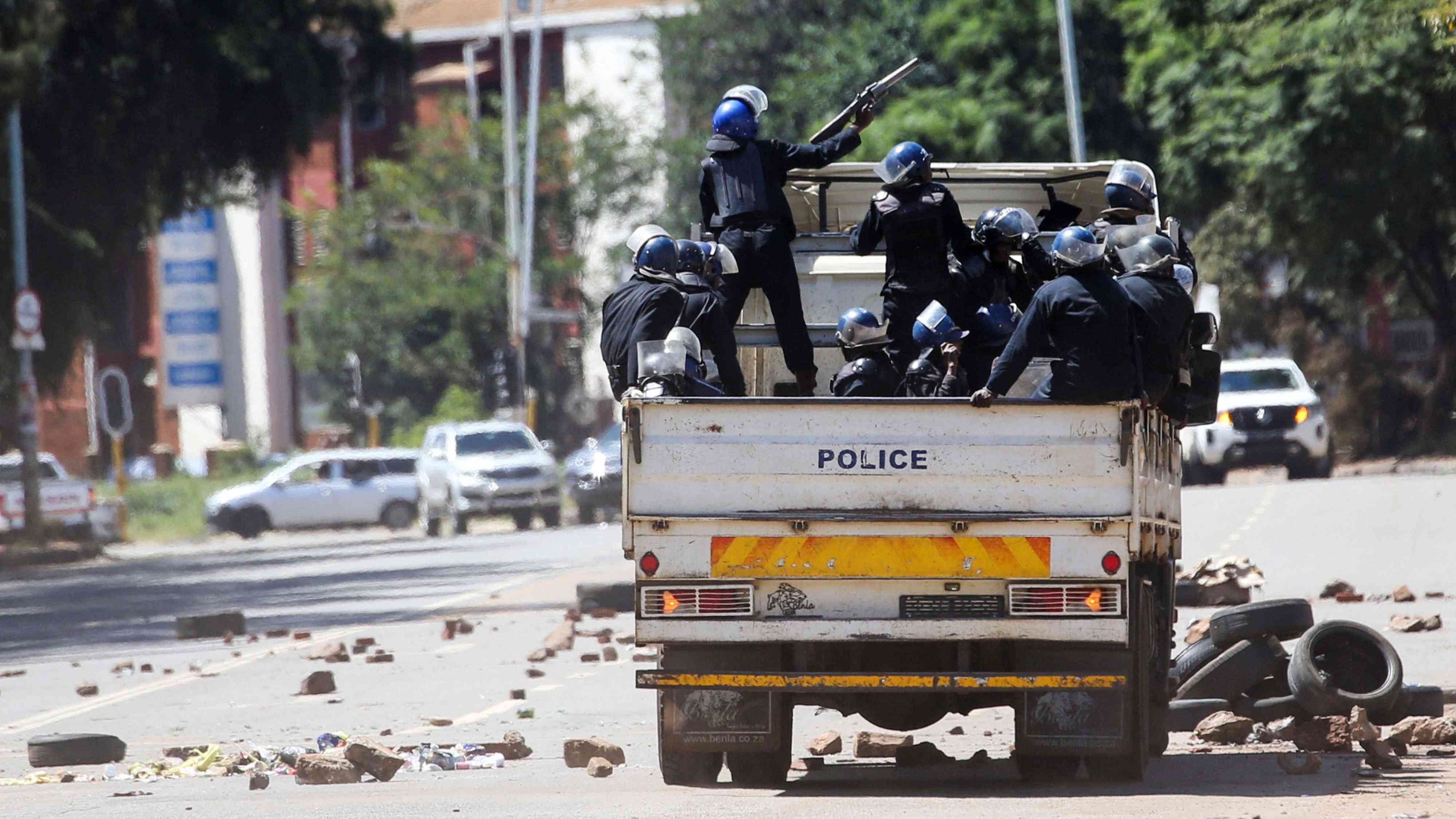
In its 2025 human rights report released last week, the commission said arbitrary arrests, prolonged detention of activists and journalists, political intolerance and restrictions on peaceful demonstrations continue to undermine constitutional freedoms, deepen fear among citizens and shrink civic space despite guarantees enshrined in the supreme law.
The 2025 ZHRC report comes amid a series of suspected State- sponsored attacks on civic space this year.
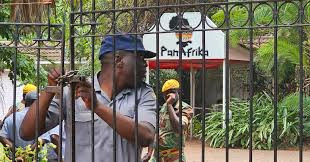
In October, Sapes Trust offices in Harare were reportedly bombed in a suspected arson attack, destroying its seminar facilities, hours before a scheduled Press conference by opposition politicians.
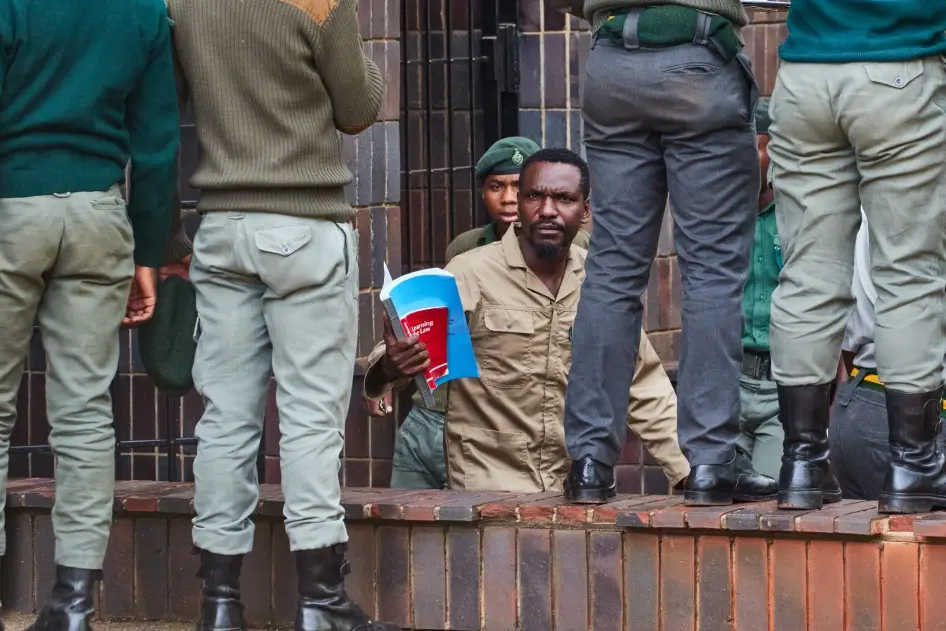
In another human rights violation incident, activist Godfrey Karembera, popularly known as Madzibaba veShanduko, was arrested and detained on allegations of inciting members of the public to participate in unsanctioned October 17 protests against President Emmerson Mnangagwa’s rule which had been called for by fugitive war veteran Blessed Geza.
- ED’s influence will take generations to erase
- ‘Govt spineless on wetland land barons’
- Govt under attack over banks lending ban
- Zim Constitution must be amended
Keep Reading
During the year, student leaders were also targeted, with two Zimbabwe National Students Union leaders abducted from Chinhoyi University of Technology during campus elections, tortured and later dumped in a rural area.
“This report demonstrates that a gap remains between legal frameworks and the lived reality for many Zimbabweans,” part of the report read.
“The promise of the Constitution is yet to be fully realised as concerns of shrinking civic space, enactment of the PVO [Private Voluntary Organisations] Act and the arbitrary arrest and prolonged detention of human rights defenders, journalists and activists, political intolerance, and the unconstitutional restriction to peaceful demonstration continue to create a climate of fear and inhibit the work of civil society.”
It said the underfunded healthcare system, lack of clean water, and failure to provide free and compulsory basic education continued to violate the economic and social rights of citizens, perpetuating a cycle of poverty.
“Moreover, the plight of vulnerable groups remains disproportionately affected by lack of specific enforceable legislation and adequate social protection, leaving them exposed to discrimination and harm,” ZHRC said.
The commission also raised concern over the enjoyment of the rights to demonstrate and petition, and freedoms of expression, assembly and association in 2025.
While acknowledging the State’s obligation to maintain public order and security, the report raises concern that authorities often created a de facto requirement for demonstrations to be “sanctioned,” despite there being no legal basis for such approvals.
“Calls for demonstrations by organisers were met with warnings from the police and other authorities to the effect that they were unsanctioned, yet there is no legal basis for such sanctioning of demonstrations and threats of arrests,” the report said.
“This is despite a clear guarantee under section 59 of the Constitution of the right to demonstrate and petition provided it is peaceful, and section 58 the right to freedom of assembly.”
But the commission commended the government for efforts made to advance the constitutional right to sufficient food and safe, clean water, as guaranteed
under section 77 of the Constitution.
During the reporting period, ZHRC says the government partnered organisations such as the United Nations Children’s Fund to implement a school feeding programme through Statutory Instrument 13 of 2025, which mandates that all schools provide at least one hot meal per day.
The report also commended government initiatives such as the Pfumvudza/Intwasa Programme, which supports farmers and promotes the right to food, and the solar-powered borehole drilling scheme, aimed at increasing access to clean water for rural communities.
ZHRC, however, cautioned that “the persistent unavailability of safe and potable water across the country, owing to the continued discharge of untreated effluent, hazardous chemicals and mine waste into rivers and groundwater, continues to put communities at risk of waterborne
diseases such as cholera and typhoid.”
The commission commended the government for progress achieved in fulfilling international obligations.
“The ZHRC notes that during the reporting period, the government of Zimbabwe made significant efforts to uphold its international and regional human rights obligations,” part of the report read. “This was done through aligning national legislation to the Constitution and reforms aimed at strengthening institutions and enhancing public participation.
“The government's compliance with international human rights instruments is important in facilitating legal and institutional reforms. International treaties guide benchmarking the development of Zimbabwe's domestic laws.”
The commission welcomed the second republic’s agenda on re-engagement, saying it “demonstrates political will in promoting human rights and administrative justice, which is important for fostering relations and confidence with the international community.”
“There is a need for adequate resource allocation to the affected sectors and unwavering accountability,” ZHRC said.
“The government must move beyond ratification to domestication and implementation of policies and laws. The commission urges all stakeholders, that is, the government, CSOs, the Judiciary, and the international community, to collaborate in closing the implementation gap and building a Zimbabwe where the comprehensive and inalienable human rights enshrined in the Constitution are not merely an aspiration, but a daily reality for all.”