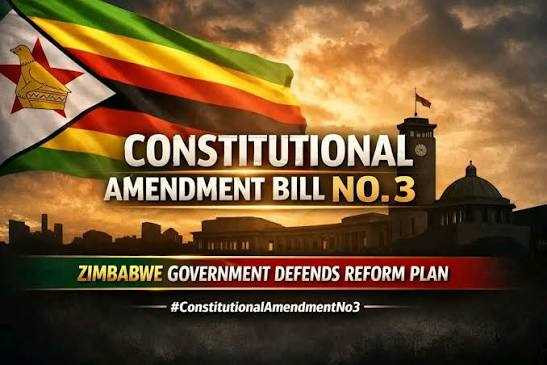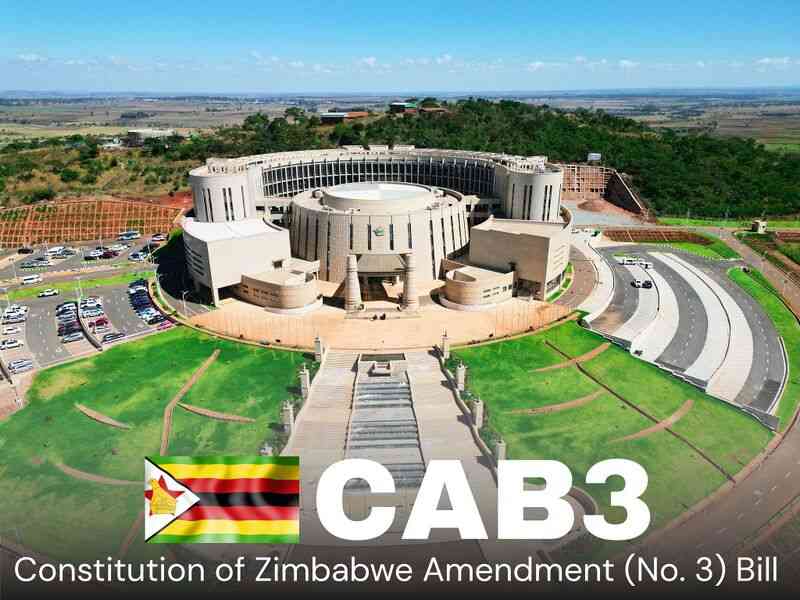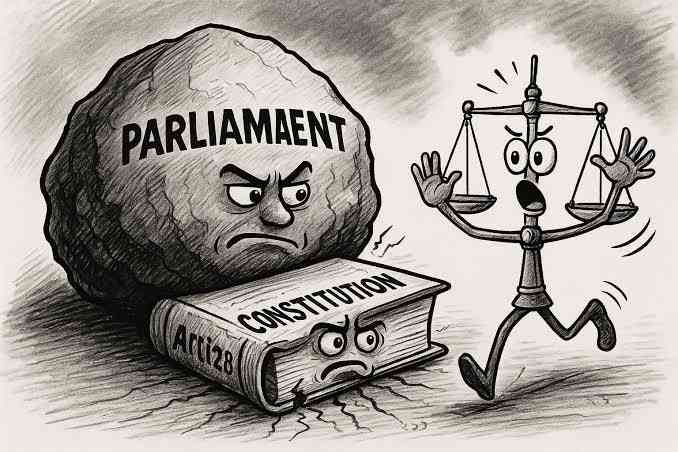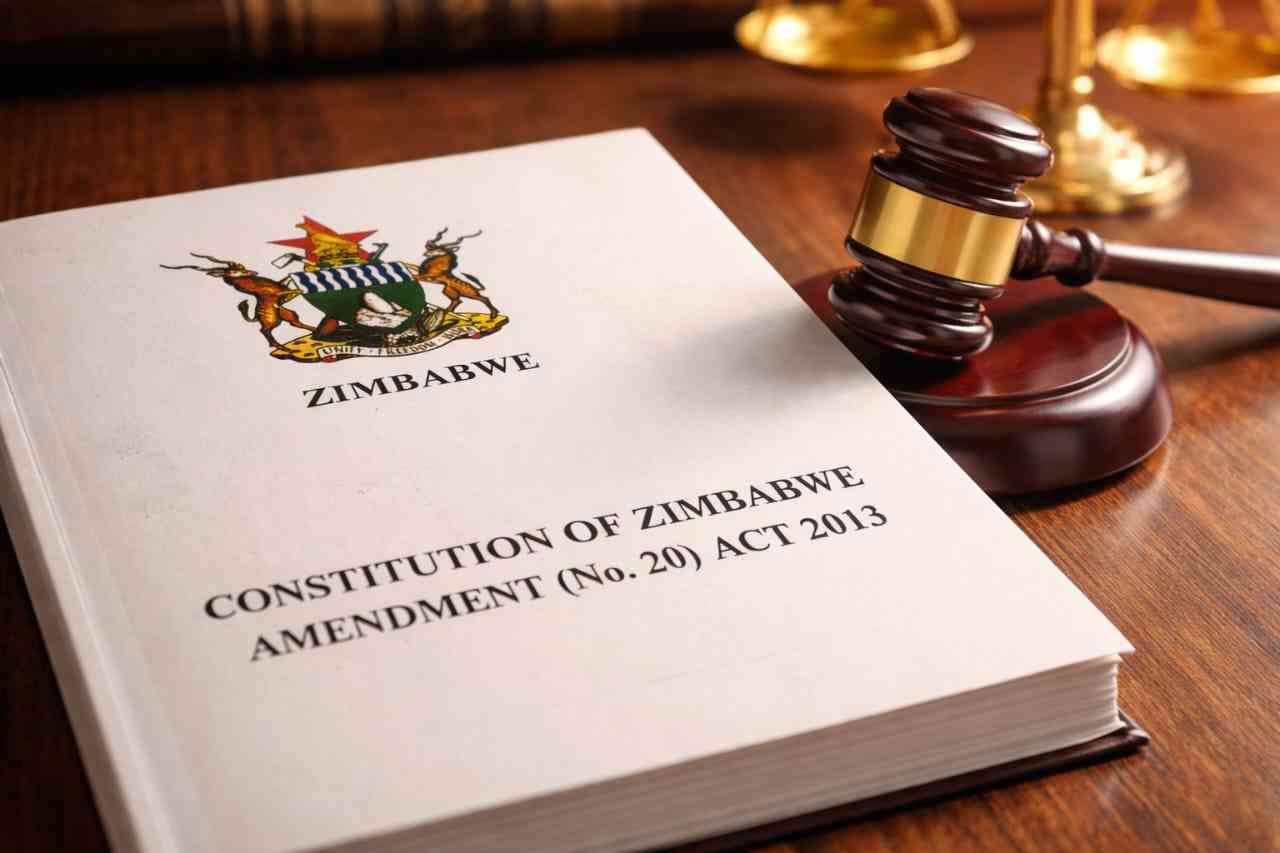
Reports of intimidation and reprisals against citizens who spoke out during parliamentary public hearings on the proposed Constitution of Zimbabwe Amendment (No 3) Bill should alarm anyone who values democratic governance.
Allegations that villagers are fleeing their homes, going into hiding or facing threats for expressing their views are anathema to the very spirit of public consultations.
Public consultations are meant to gather the views of citizens, regardless of how uncomfortable or unpopular those views may be to some quarters. Public hearings are not ceremonial rituals designed to rubber-stamp predetermined outcomes. They are a constitutional mechanism intended to give ordinary Zimbabweans a voice in shaping the laws that govern them.
If citizens must speak under fear of reprisal, then the process ceases to be genuine consultation and becomes little more than a managed exercise in conformity.
Accounts emerging from various parts of the country — of villagers allegedly being tracked down, questioned and threatened — paint a worrying picture of an environment where dissent is treated as betrayal. Whether these actions are carried out by individuals acting independently or by organised groups, the effect is the same: stifling of free expression.
Even more troubling are claims that some people are being threatened with exclusion from social welfare programmes or pressured to leave their communities because of the views they expressed. If true, such actions weaponise poverty and vulnerability against citizens who are simply exercising their constitutional right to participate in public discourse.
A Constitution is meant to protect citizens from fear, not become its source. When people who participate in lawful public consultations later feel compelled to abandon their homes, it inevitably calls into question the integrity of the entire constitutional process.
Zimbabwe has spent years trying to cultivate democratic institutions and rebuild public trust in governance systems. That trust can only grow when citizens feel safe to participate freely in public consultations without fear of intimidation or reprisal.
- ED’s influence will take generations to erase
- ‘Govt spineless on wetland land barons’
- Govt under attack over banks lending ban
- Zim Constitution must be amended
Keep Reading
For that reason, allegations of intimidation must not be brushed aside or dismissed as political noise. If left unchecked, such incidents risk normalising a culture of fear around public participation in governance.
Citizens may begin to see public consultations not as opportunities to contribute to national decision-making, but as dangerous exercises where expressing an honest opinion invites retribution.
Countenancing unbridled behaviour of that nature sends a dangerous signal that intimidation is an acceptable tool in shaping constitutional processes. It also undermines the credibility of any outcome of the consultative process, as the views recorded will be clouded by the fear that silenced others.
Investigating the matter thoroughly and bringing perpetrators to book is, therefore, not merely a legal necessity — it is a democratic obligation. Enforcing accountability reaffirms that no individual or group can punish citizens for participating in national dialogue with impunity.
Failure to act decisively erodes public confidence in the rule of law and deepens the perception that political power can be used to cow citizens into silence. Such perception weakens the foundations of democratic governance.
Law enforcement agencies must, therefore, conduct impartial investigations and ensure that anyone found responsible is held accountable, regardless of political affiliation.
The real test of democracy is not how loudly supporters applaud a proposal, but how safely critics can question it.
Any constitutional reform must emerge from an atmosphere of openness, tolerance and respect for divergent views if it is to command legitimacy. Constitutional change forged in fear cannot produce a document that truly reflects the will of the people.
Without openness, national dialogue risks morphing into an exercise in intimidation rather than participation. That would be a tragic contradiction for a government that came to power promising a new political era grounded in constitutionalism and democratic renewal.