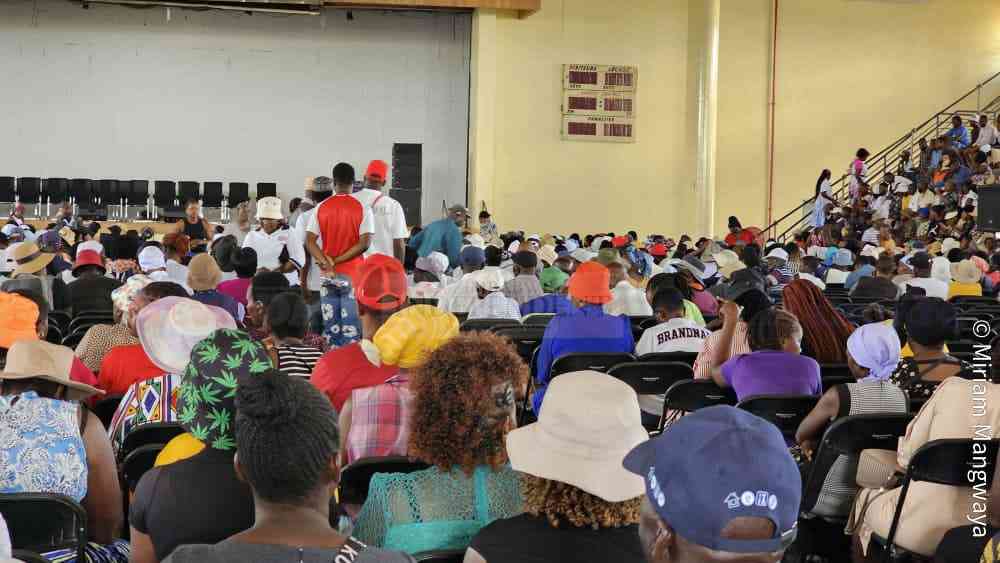
THE chaos that has characterised Parliament-led public hearings on Constitutional Amendment No 3 Bill speaks less to democracy and more to organised intimidation.
What should be platforms for citizen engagement have instead become arenas of fear, where participation comes with risk and dissent is treated as provocation.
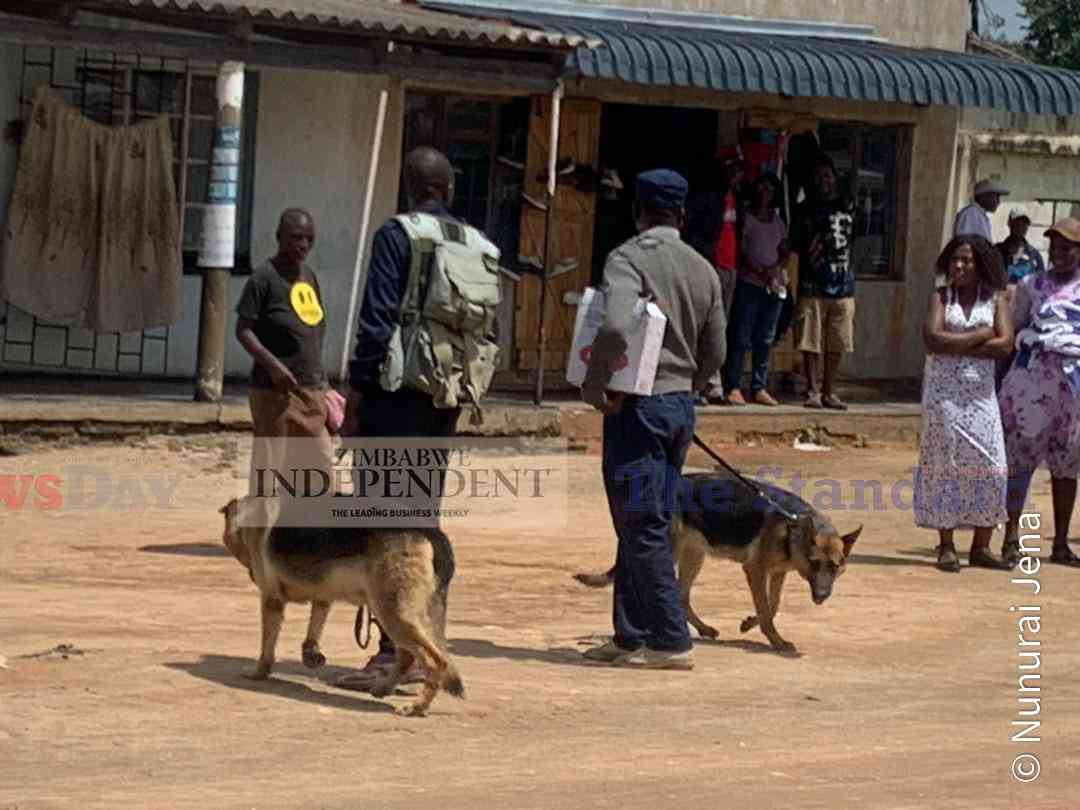
Across several venues, reports have emerged of citizens who attempted to speak against the Bill being bashed, harassed or — if fortunate — simply thrown out of meeting halls.
That is not consultation, but coercion.
Public hearings are supposed to be spaces where Zimbabweans freely express their views on proposed changes to the supreme law.
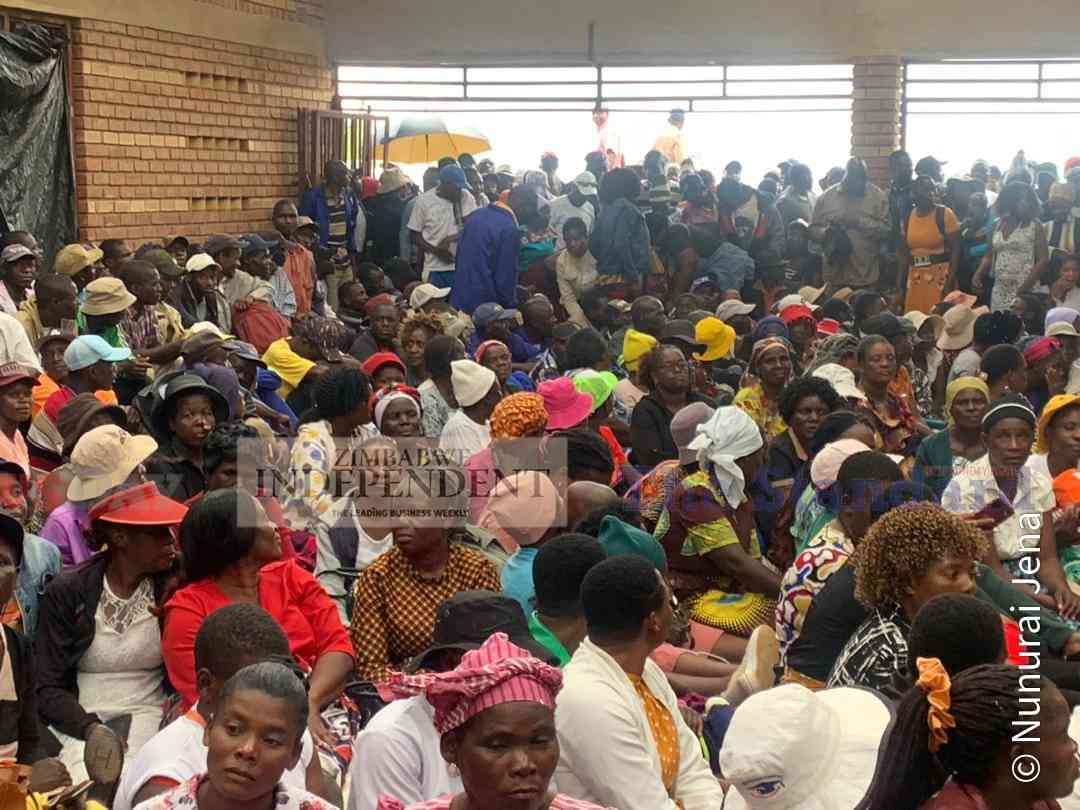
They are meant to test ideas, accommodate disagreement and build national consensus.
Instead, what is unfolding resembles a process designed to silence rather than listen.
- Why we fall for disinformation
- Masunda lands global sugar industry position
- In Conversation with Trevor: Chisamba: Let’s be proud of ourselves
- Econet says it experienced ‘rush hour data outage’
Keep Reading
Journalists covering the proceedings have faced obstruction from suspected supporters of Zanu PF.
When the media is prevented from doing its job, transparency collapses.
Without independent reporting, the public is left in the dark about what is truly happening in the meetings.
That is a dangerous development.
Even more alarming are reports that prominent lawyer Doug Coltart was assaulted during one of the disturbances, with his cellphone allegedly stolen in the chaos.
If a well-known legal figure can be attacked in such a setting, what protection is there for ordinary citizens who simply wish to voice their concerns?
The message becomes unmistakable: speak at your own peril.
And perhaps most troubling of all is the silence from those tasked with overseeing the process.
Parliamentary officials, who should be safeguarding order and ensuring that hearings proceed fairly, have largely remained quiet amid the disorder.
That silence is not harmless.
It creates the perception that intimidation is being tolerated — if not indirectly enabled.
A public hearing without protection for participants is not a public hearing at all.
It becomes a performance.
The implications go beyond the immediate chaos.
Constitutional Amendment No 3 Bill is not a routine policy proposal.
It carries far-reaching consequences for governance, political power and the future direction of the country.
For such a process to be credible, it must be anchored in openness, fairness and genuine public participation.
But then violence is destroying all three.
When citizens are physically prevented from expressing their views, the outcome of the process becomes fundamentally compromised. Decisions made under such conditions cannot be said to reflect the will of the people.
They reflect the will of those who can shout the loudest — or strike the hardest.
What is unfolding also exposes a deeper issue within the political culture: a tendency to substitute force for dialogue.
When persuasion fails, intimidation takes over.
When disagreement arises, it is suppressed rather than debated.
That is not how constitutional democracies function.
Constitutions are not imposed documents.
They derive legitimacy from the consent of the governed.
That consent cannot be manufactured through fear.
If anything, intimidation produces the opposite effect — resentment, mistrust and long-term instability.
Zimbabwe has been here before.
Moments where public processes are overshadowed by violence have left lasting scars on the nation’s democratic fabric.
Repeating that pattern in something as critical as constitutional reform only deepens those wounds.
There is still time to correct course.
Authorities must ensure that all participants in the hearings are protected, regardless of their political views.
Law enforcement must act impartially.
Parliamentary officials must assert control and guarantee that proceedings are conducted in an orderly and respectful manner.
Above all, there must be a clear commitment that no citizen will be punished — physically or otherwise — for expressing an opinion.
Without that assurance, the entire exercise loses meaning.
Public hearings must be about hearing the public.
Right now, the public is being silenced.