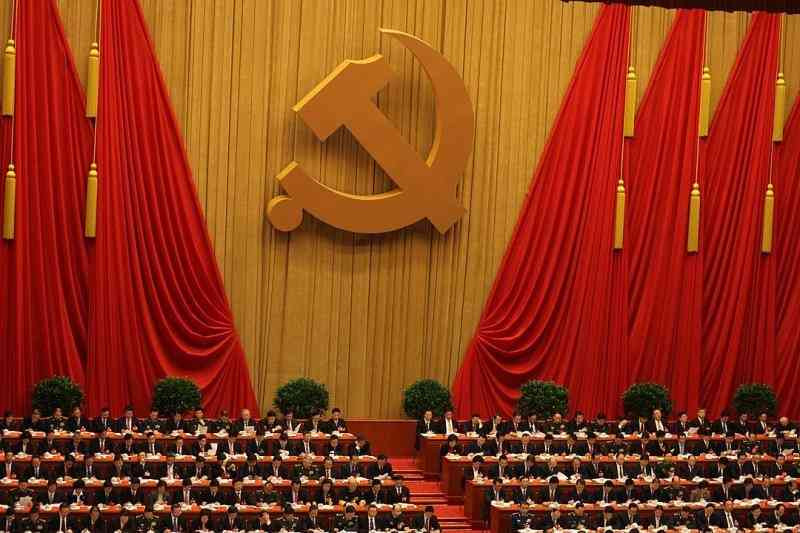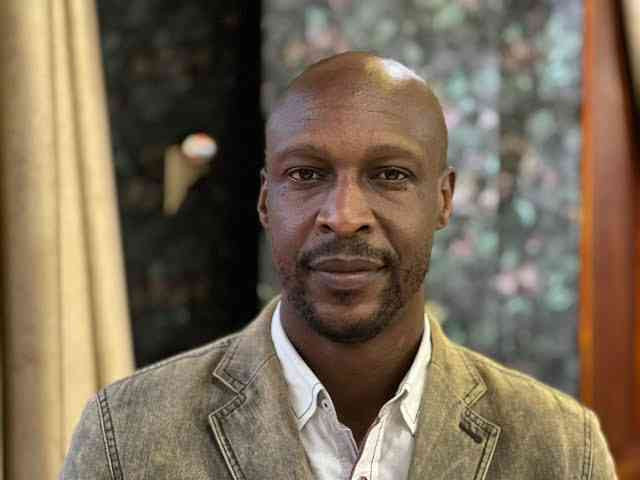
ZANU PF lawmaker Nomsa Chaimvura has spotlighted a troubling culture of arrogance and self-interest in Zimbabwe’s Parliament.
During a recent question-and-answer session, Chiredzi Central MP Ropafadzo Makurumire asked acting leader of government business Anxious Masuka whether the government had addressed nurses’ concerns following a demonstration by health professionals. Before Masuka could respond, Chaimvura interjected: “Hazvinei newe” — it does not concern you. Though she later retracted the remark, the incident left a lasting impression on the public.
The stakes could not be higher. Zimbabwe’s health sector is in crisis: hospitals are understaffed, medicines are scarce and frontline workers are stretched to a breaking point. Health professionals have consistently gone above and beyond, particularly during the COVID-19 pandemic, when they remained on the frontlines while many others retreated.
Any display of political hostility towards those raising legitimate concerns risks worsening an already dire situation. Indeed, a day after Chaimvura’s interjection, nurses issued a two-week notice, warning that they will embark on industrial action from April 15 to 17 to press for better remuneration.
Chaimvura’s comment was not merely rude; it reflected a wider political culture in which national interest is subordinated to personal loyalty and partisan optics. The ruling party must draw a clear line and censure representatives who undermine public debate. Lawmakers are in Parliament to discuss national issues and craft laws that advance the country’s wellbeing, not to shield colleagues or disrupt proceedings.
Equally alarming was the reaction on social media, where some pro-Zanu PF supporters framed Chaimvura’s misstep as a badge of loyalty rather than a moment for reflection on public responsibility. Partisanship can blind both citizens and politicians to urgent national crises, raising serious questions about the calibre of those elected to represent the people.
Chaimvura’s interjection underscores a broader truth: politics is often driven by career preservation rather than public service. As social theorist Thomas Sowell observed, the public good is frequently secondary to political survival. Zimbabwe cannot afford this type of leadership, particularly when the health sector — the backbone of national wellbeing — is at stake.
Lawmakers must leave party politics at the door and debate in the national interest. Blind loyalty should never override accountability. Last year, Youth minister Tinoda Machakaire urged President Emmerson Mnangagwa to visit public hospitals to witness firsthand the deteriorating state of health institutions. Initially, the Health and Child Care ministry attempted to downplay the crisis, describing the concerns as “well-orchestrated efforts aimed at selectively highlighting challenges,” while ignoring progress made under resource constraints. Following impromptu visits by the President to Parirenyatwa and Sally Mugabe hospitals, noticeable improvements were observed.
Zimbabwean politicians must rise above petty squabbles, acknowledge the urgency of the crisis and act responsibly. Chaimvura’s interjection is a wake-up call for political parties and the electorate alike: the calibre of those chosen to represent citizens matters. Do parties truly care? Have they deployed the best minds to Parliament? Many representatives struggle to manage their own households, let alone represent tens of thousands of people. Too often, candidates with deep pockets or connection to political “godfathers” are imposed on constituents.
Today it is Chaimvura; tomorrow, it could be someone else. The question Zimbabweans must ask is simple: will their leaders serve the nation — or merely their party?