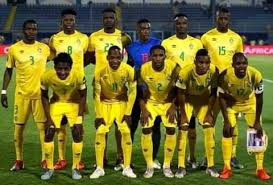
THE final whistle at Peter Mokaba Stadium on Monday night didn't just signal a 1-0 defeat for the Zimbabwe Warriors against Lesotho; it was an embarrassing reality check for a nation that once dared to dream of World Cup qualification.
To lose to Lesotho is one thing, but to suffer a double — a 2-0 defeat in the reverse fixture followed by this last-gasp 1-0 dagger — is a profound humiliation that strips away any remaining veneer of competency.
This result, courtesy of Hlompho Kalake’s stoppage-time stunner, is more than just a dead rubber loss. It confirms Zimbabwe's status as the Group C whipping boys, finishing the campaign without a single win in 10 matches — a pitiful tally of five draws and five defeats.
And the most stinging indictment? They finished below Lesotho, a team they are accustomed to viewing as an inferior opponent.
The match report is a painful déjà vu: dominance in possession, chances created and ultimately, an absolute failure to find the net.
Coach Michael Nees’ frustration is palpable in his post-match comments, lamenting the lack of final decision-making and the perennial inability to put the ball in the net.
This offensive drought is the campaign's defining feature. Six hours without a goal is not just a statistic; it is a crisis.
For a team boasting a roster of foreign-based professionals, this speaks not to a lack of talent, but a catastrophic failure in alchemy — the inability to convert individual stars into a formidable, cohesive and, most importantly, scoring unit.
- Mapeza to finalise Warriors’ Afcon squad
- Inside sport: Worrying signs for Warriors ahead of Africa Cup of Nations
- Warriors stronger than Bafana
- Mapeza to finalise Warriors’ Afcon squad
Keep Reading
Nees, to his credit, has attempted to cast the net wider, giving opportunities to players like Brendon Galloway, Jonah Fabisch, Walter Musona, Bill Antonio and Prince Dube.
But his persistence in overlooking proven local goal-scorers like Washington Navaya, Tymon Machope and Billy Veremu while the team is starved of goals is a perplexing blind spot that fans and commentators will struggle to forgive.
It suggests a disconnect between the national team setup and the local football landscape, undermining the depth Nees claims to be seeking.
The coach correctly identifies the problem: "The finishing problem runs through all levels of our football." Yet, a coach’s job is to solve that problem or at least mitigate it with the available resources.
When the team is struggling, you go with proven goal-scorers, regardless of their league of origin.
With the Africa Cup of Nations finals in Morocco looming, this defeat is a sobering signpost. Zimbabwe will face giants like Egypt, along with formidable foes Angola and South Africa, in the group stages.
If The Warriors cannot score against Lesotho, the mind boggles as to how they intend to breach the defences of Africa’s elite.
This World Cup campaign has been an expensive, fruitless exercise. The Warriors have hit rock bottom. The task before Nees and the technical team is monumental.
It is no longer about simply converting chances; it is about overhauling a team culture that has grown accustomed to dominating possession but accepting defeat.
The embarrassment of finishing below Lesotho must be the catalyst for drastic, immediate change. The time for tinkering is over; the time for tough decisions — starting with how to find a striker who can score — is now.
Anything less will see the Warriors subjected to further, perhaps even greater humiliation on the continental stage.