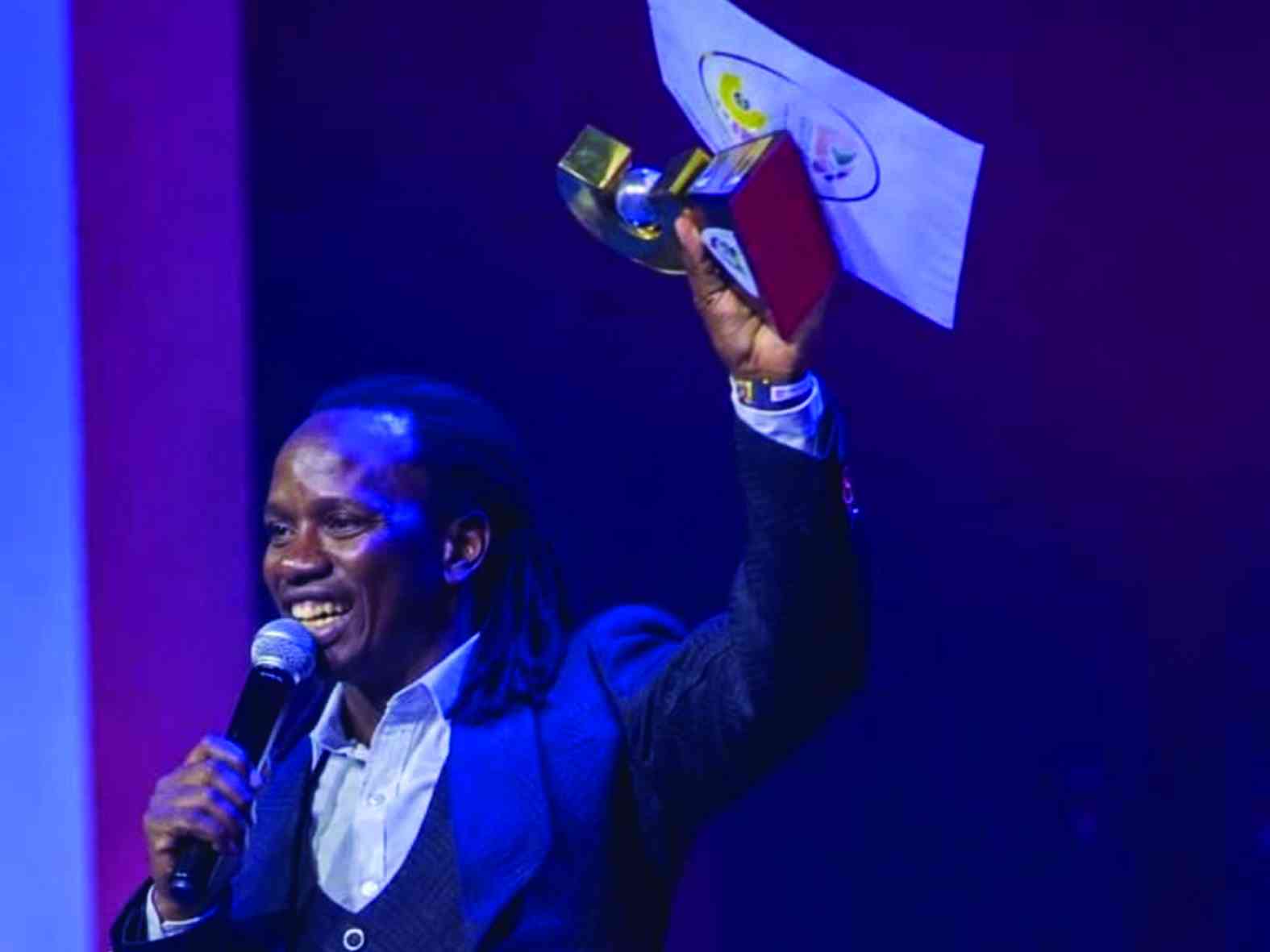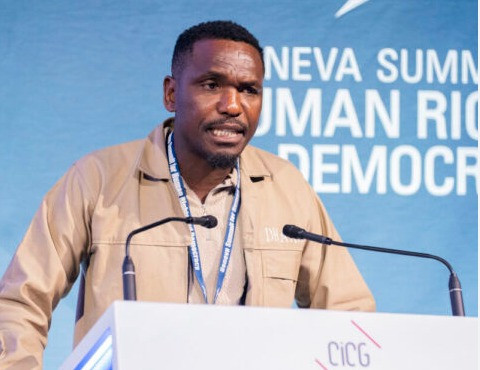
Blessed Mhlanga did not travel abroad to denounce his country out of hatred. He spoke, as many Zimbabweans do in private, out of concern.
His remarks at an international human rights forum have triggered anger, denunciations, and threats from sections of the political establishment. But before insults are hurled and intimidation considered, there is a more important question that demands reflection:
Why does a Zimbabwean journalist feel this way?
It is too easy to dismiss criticism as “unpatriotic.” It is too convenient to label dissent as sabotage. Yet history has shown that when citizens begin speaking loudly on global platforms, it is often because they feel unheard at home.
No one wakes up in the morning hoping to damage the reputation of their own country. Zimbabwe is not an abstract concept; it is home. It is family. It is history. It is sacrifice. Even on an international stage, no Zimbabwean wants to speak negatively about their homeland. That is not how patriotism works.
Patriotism is not silence.
Patriotism is accountability.
Instead of threatening or intimidating Mhlanga, the Government and ZANU-PF should pause and reflect. If a journalist feels compelled to call for international protection of citizens’ rights, perhaps the issue is not the speech but the conditions that produced it.
- Letter to my people: The experiment has failed spectacularly
- Village Rhapsody: Zimbabwean journalists under siege
- AMH journalists arrested
- Letter to my people: The experiment has failed spectacularly
Keep Reading
Strong governments do not fear criticism. They engage with it.
A confident ruling party does not suppress uncomfortable questions. It answers them.
Zimbabwe’s global reputation is not harmed by one journalist speaking out. It is harmed when the response to criticism appears heavy-handed or intolerant. The international community is watching not only what was said, but how the leadership responds.
If ZANU-PF believes the claims are inaccurate, then the answer is transparency. If the government believes progress has been made, then demonstrate it openly. Invite scrutiny. Open dialogue. Show the reforms.
Most importantly, sit down with Blessed Mhlanga.
Ask him what he sees.
Ask him what frustrations he hears from citizens.
Ask him what would restore confidence.
Dialogue is not weakness. It is leadership.
Zimbabwe is a nation filled with educated, resilient, and hardworking people. It has enormous potential. But that potential cannot flourish where criticism is treated as hostility. Nations grow when they confront difficult truths, not when they silence those who raise them.
ZANU-PF has led Zimbabwe for decades. With that history comes responsibility. If citizens are speaking out more frequently—whether journalists, professionals, students, or ordinary workers—it is a signal that something must change.
This is not about one man.
It is about the direction of the country.
It is time to move from confrontation to conversation. From accusation to accountability. From intimidation to introspection.
No Zimbabwean truly wants to shame their country. They want to see it thrive. They want leadership that listens. They want institutions that protect rights. They want a future that matches the promise of the past.
Instead of attacking the messenger, listen to the message.
And then do the right thing.