A GROWING number of Africans — Zimbabweans included — are making a perilous journey to Russia, lured by promises of hefty payments and allowances if they agree to enlist in the Russian military’s war against Ukraine.
The offers are, by any standard, tempting. Signing bonuses reportedly range between €10 000 and €15 000.
For young men staring at joblessness and dwindling prospects at home, that figure can feel like a lifeline.
Visas and travel logistics are handled by recruiters.
The pathway appears smooth. The money appears certain.
But the battlefield is real.
Reports suggest that about 1 420 fighters from 35 African countries enlisted between 2023 and mid-2025.
Other estimates place the number of Africans in Russia’s ranks at between 3 000 and 4 000, part of a broader contingent of 18 000 to 20 000 foreign fighters.
- Byo author eyes SA award
- Court freezes account after US$300 000 deposit
- Zim actor lands role in SA TV show
- Treasury bungles TelOne $46bn debt plan
Keep Reading
Behind those numbers are human beings — sons, brothers, fathers — gambling their lives in a war that is not theirs.
Zimbabweans have not been spared.
With high unemployment and limited economic opportunity, some youths believe they have little to lose.
If poverty stalks them at home, they reason, why not take a risk abroad?
The idea can seem fathomable in desperate circumstances.
But there are dangers lurking beneath the glossy recruitment pitch.
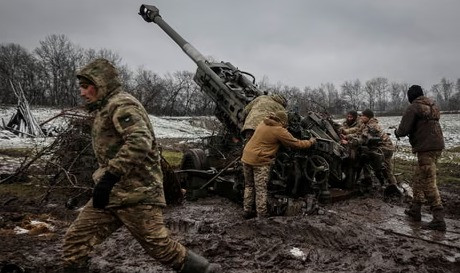
Those who board flights to Moscow reportedly receive just two to three weeks of training before being deployed. Two to three weeks.
That is hardly enough time to prepare for one of the most brutal conventional wars in recent history.
These recruits are not career soldiers; many have no prior combat experience.
Worse still, there are no guarantees of return.
Some accounts indicate that identities may be altered upon enlistment.
Communication with families can become sporadic or severed.
In the event of death, repatriation of remains is uncertain and often complicated.
Families can find themselves trapped in bureaucratic limbo, struggling to confirm what happened to their loved ones, let alone bring them home for burial.
The painful experience of families attempting to retrieve the bodies of those who died in foreign conflicts is a sobering reminder that war rarely ends cleanly.
Beyond the physical danger lies another hard truth: many recruits are allegedly misled.
Some believe they are signing up for non-combat roles — construction, logistics or support services — only to discover upon arrival that they are destined for the front lines.
By then, it is too late.
This is not a moral judgment on those tempted to go.
It is an acknowledgment of the economic desperation driving the decision.
When hope evaporates at home, risk becomes easier to rationalise.
But a foreign battlefield is not an employment scheme.
It is a killing field.
The tragedy is that young Africans, whose energy and talent should be building their own nations, are being drawn into geopolitical struggles far removed from their daily realities.
They are expendable in a conflict shaped by interests that do not prioritise their welfare.
Zimbabwe’s youths must think carefully before trading poverty for peril.
The upfront payment may look transformative.
But what value does money hold if it costs you your life — or leaves your family with unanswered questions and an unmarked grave?
Desperation should not be weaponised.
Beware the temptation. Beware the recruiters. Beware the Ides of Moscow.