The 2026 FIFA World Cup begins this June 11 and across Zimbabwe, the world's biggest sporting spectacle is inspiring conversations that stretch beyond tactics and scorelines into the realms of art, culture, fashion and national identity.
The tournament, to be jointly hosted by the United States, Canada and Mexico, will be the first World Cup to feature an expanded 48-team format.
For Zimbabwean fans, the event represents both a celebration of football and an opportunity to reflect on the country's enduring relationship with the global game.
Particular attention is expected to focus on the opening fixture involving hosts Mexico and African representatives South Africa. While official fixtures should be independently verified before publication, many football enthusiasts across Southern Africa will be rallying behind Bafana Bafana.
- Zim wins award for its GBV fight
- Zim wins award for its GBV fight
- Inflation, fear drives USA polls
- Take Money’s shot at history in jeopardy
Keep Reading
Regional pride, recent improvements in South African football structures and the team's growing international experience have fuelled optimism among supporters who believe South Africa could begin its campaign with a positive result.
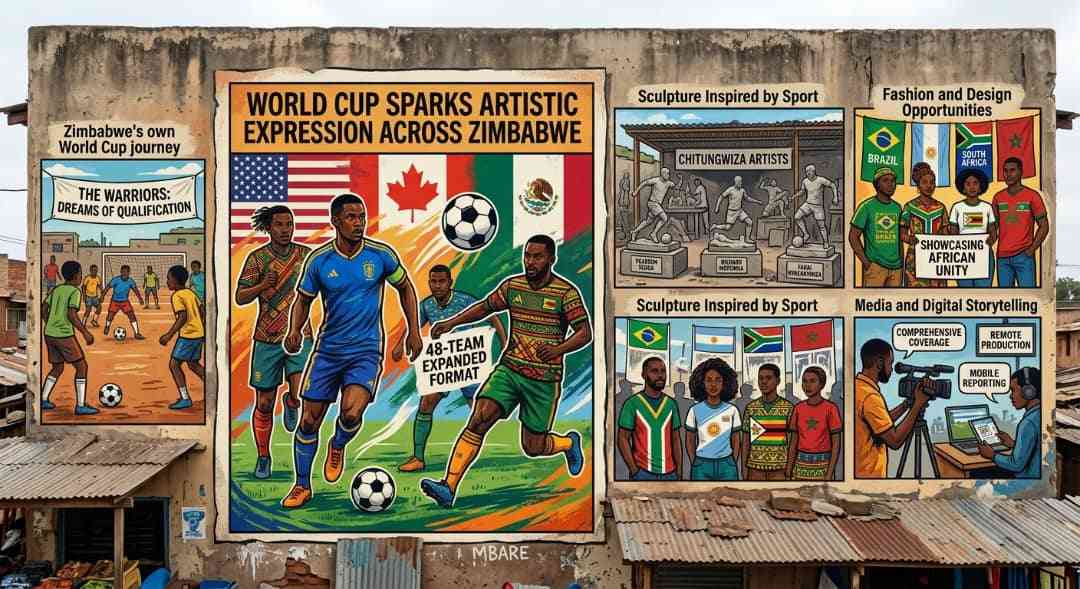
Beyond the pitch, the World Cup offers fertile ground for artistic expression. Although Zimbabwe has yet to launch a nationally coordinated 2026 World Cup arts programme, the country's rich creative traditions provide a strong foundation.
Renowned stone sculptors, muralists, textile designers and digital artists are uniquely positioned to interpret football through a distinctly Zimbabwean lens.
Sport-inspired sculpture remains one of the country's most powerful artistic forms. Artists have long captured movement, determination and human achievement in stone and metal.
Football themes could easily find expression through sculptures depicting players in motion, community football culture and the spirit of African unity.
Large-scale murals in Harare, Bulawayo and other urban centres could similarly celebrate football legends, youth participation and national pride.
Chitungwiza’s Arts Centre Pearson Zenda , Richard Mupumha and Farai Nyakanyanza are some of the sculptures who have a passion for the game of football.
The tournament also presents opportunities for Zimbabwe's fashion and design sectors. Traditional patterns and contemporary graphics could be incorporated into supporter apparel, posters, fan banners and digital campaigns.
Favourite jerseys among local supporters are expected to include those of Brazil, Argentina, Portugal, England, South Africa and African contenders participating in the tournament, although market trends may shift closer to kick-off.
African teams will once again carry the hopes of a continent eager to see one of its representatives challenge for football's ultimate prize.
Morocco's historic run to the semi-finals in 2022 demonstrated that African nations can compete with the world's elite. Countries such as Senegal, Morocco, South Africa and others that qualify could provide some of the tournament's most compelling stories, while showcasing the growing strength of African football development systems.
Zimbabwe's own World Cup journey remains one of ambition and perseverance. The Warriors have never qualified for a FIFA World Cup despite participating in numerous qualification campaigns since independence.
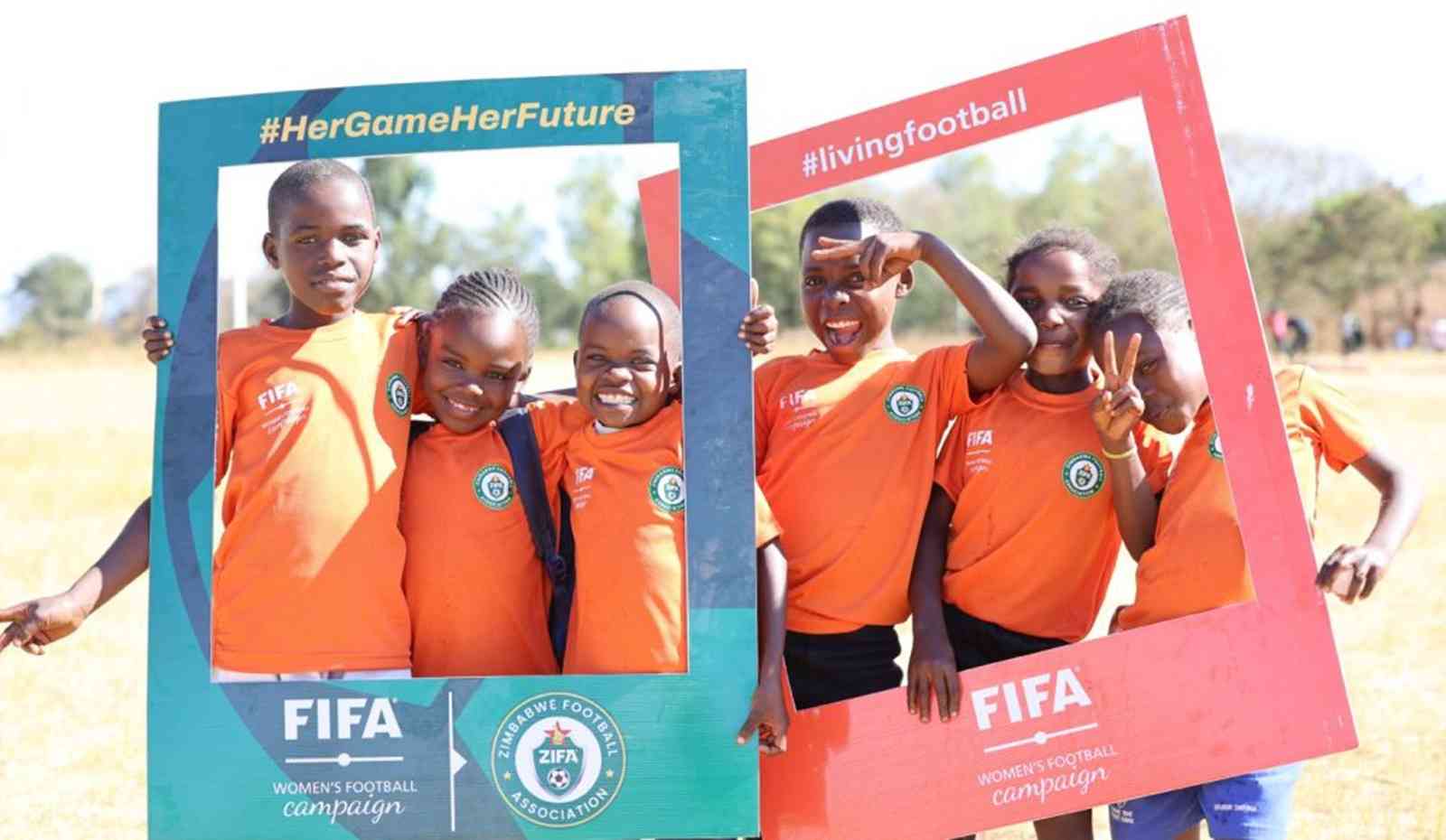
Administrative challenges, limited resources and inconsistent development structures have often hindered progress. Nevertheless, recent efforts to strengthen domestic football and youth development continue to fuel hopes that future generations may finally secure a place on football's biggest stage.
Preparations for the 2026 tournament will also test Zimbabwe's broadcasting, media and creative industries.
Local broadcasters are expected to pursue comprehensive coverage, while newsrooms increasingly rely on digital platforms, mobile reporting and remote production technologies.
However, financial constraints continue to limit the number of Zimbabwean journalists and production crews able to travel to major international tournaments.
Yet even from afar, Zimbabwe's artists, storytellers and football supporters remain active participants in the global celebration. In many ways, the art of the World Cup is not confined to stadiums.
It lives in sculpture workshops, fashion studios, community murals, media platforms and living rooms where dreams of future qualification continue to inspire a nation.