THE departure of Marian Marinica as Warriors coach was supposed to bring closure, but instead has deepened uncertainty around a tenure that promised much and ultimately delivered little clarity.
The Zimbabwe Football Association confirmed on Monday that Marinica had stepped down with immediate effect, citing “personal reasons” — a phrase that has done little to settle a nation now divided over what truly led to his exit.
When Marinica was appointed, Zifa’s messaging was bold and deliberate, presenting his arrival as part of a wider strategy to rebuild the national team and restore its competitiveness on the continent.
It was a carefully constructed narrative meant to inspire confidence, suggesting that Zimbabwe had found a long-term solution rather than a temporary fix.
Yet, just seven matches into his tenure, that vision appears to have unravelled.
Statistically, Marinica’s record reads three wins, one draw and three defeats.
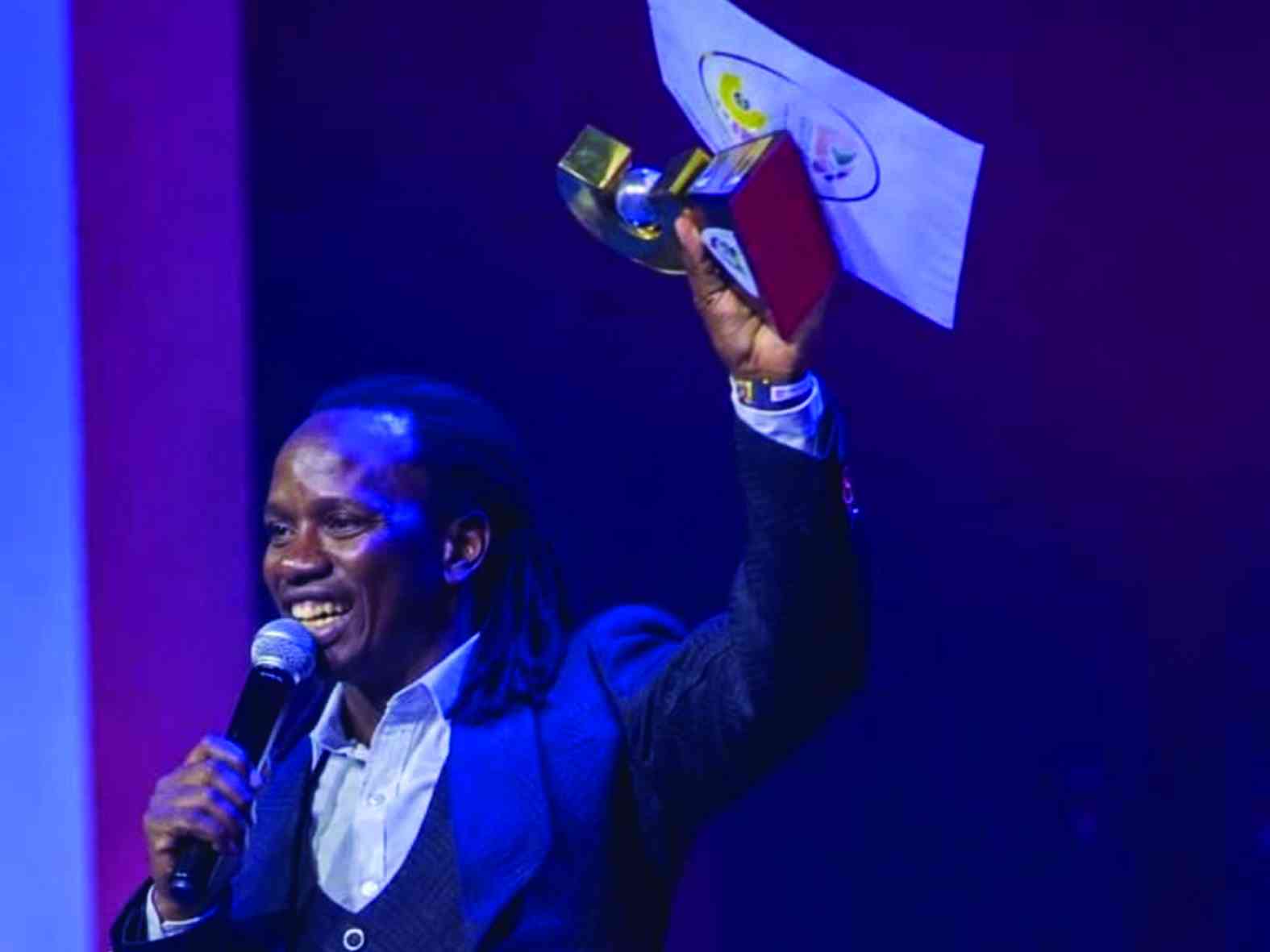
But a closer look tells a more sobering story — all his victories came in friendly matches, including the Mukuru Four Nation Tournament, where Zimbabwe edged Zambia 1-0 in the final to lift the trophy.
While the triumph provided silverware, it lacked the competitive weight expected of a coach tasked with restoring continental credibility.
- Village Rhapsody: 2022 Afcon: What’s in it for Warriors?
- Village Rhapsody: 2022 Afcon: What’s in it for Warriors?
- Mapaya disappoints at World Athletics Champs
- Sprinter Matiyenga fails to reach semi-finals
Keep Reading
In official competitions, where reputations are defined, results failed to match the ambition of his mandate.
Marinica, however, remained defiant even in defeat.
Following a 3-2 loss to South Africa at the African Cup of Nations (Afcon), he insisted his side had honoured their promise to fight.
“We promised them that we’ll give a run for their money. We fought for the country.
“The result was not in our favour. It’s a bit of disappointment, but it’s something we have to move on,” he said.
His words reflected resilience, but also highlighted a recurring theme — effort without the results needed to sustain belief.
From the outset, Marinica outlined an ambitious roadmap, targeting qualification for the 2030 Fifa World Cup and identifying Afcon 2027 as a key milestone.
He spoke of building in “stages”, emphasising long-term development over short-term success.
“We have some major objectives, particularly to qualify for World Cup 2030 and to do that, we need to start building now a strong foundation,” he said during his tenure.
However, that long-term vision often clashed with immediate expectations, particularly in a results-driven environment where progress is measured not only in plans, but in performances.
His player selection further intensified scrutiny. Marinica maintained that every call-up was justified, insisting he chose “the best player at that point in time”.
Yet the omission of in-form players such as Marshall Munetsi raised questions about the criteria guiding his decisions.
To some observers, his approach began to resemble a carefully worded manifesto — structured and forward-looking, but increasingly disconnected from the realities on the pitch.
That disconnect now frames his exit.
Was Marinica still under pressure despite lifting the Mukuru Cup?
Or did the so-called “personal reasons” mask deeper issues linked to performance and expectations?
The absence of clear answers has only fuelled speculation.
In the end, Marinica leaves behind a mixed legacy — a coach who spoke of building a future, but exits before laying a solid foundation.
His tenure, introduced with confidence and ambition, concludes not with resolution, but with lingering doubt over what might have been — and what went wrong.