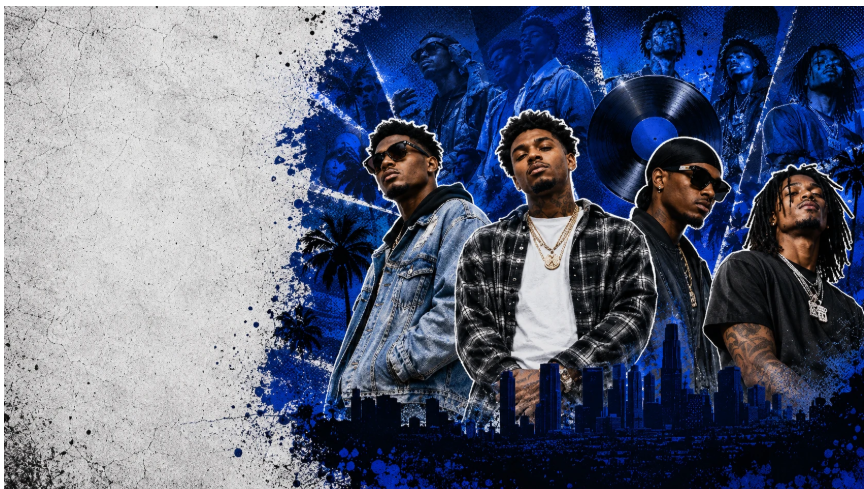
A producer uploading beats from a bedroom in Lagos is now fighting to be discovered for the same ears as a full-fledged label artist in Los Angeles. This is the 2026 state of the African Creator Economy: Distribution is free, but attention isn't. A few big changes are redefining how African creators will earn money and grow their careers this year.
More streaming, but a harder ride to the top
In 2024, for the first time, the US passed 100 million paying music streaming subscribers. Today, that market makes up 84% of the music industry revenue. These services now operate worldwide, from Nairobi to Accra to Harare. However, subscriber growth has slowed to around 4% year over year, indicating a plateauing market, which means much of the organic growth we once saw is gone. This year more music, less discovery, more of a tough start for anyone new. To an artist in Harare or Kampala, that means a platform is perfectly willing to host a track without putting much effort into promoting it. Uploading is simple; getting those first 1,000 listeners is the hard part.
Platforms paying creators for more content
Last January, YouTube updated its advertiser-friendly content policy, allowing content that previously would have been ineligible for monetization to earn ad money again, as long as those works were presented dramatically and not in a journalistic manner. For African filmmakers, comedians, and music video producers, especially those that explore more sensitive subjects, this significantly expands how monetization can work. This means that it's a better investment in 2026 to build out your YouTube channel than it was a couple years ago.
Audio technology rewarding those who've already made it
As of May 2026, Spotify was implementing the "Studio by Spotify Labs" app as a desktop platform. This app enables users to make and manage their own custom audio playlists rather than listening to the app's suggestions for them. This creates a new reality in which streaming services move from being something you navigate to something you direct. This means that those who have already found success on streaming platforms are carried even higher through algorithms, while those who haven't yet are left behind.
Paid promotion going from being stigmatized to being a part of the strategy
- Ex-Q, Winky D, Baba Harare head for Odyssey
- Music teacher celebrates African heritage
- Ex-Q, Winky D, Baba Harare head for Odyssey
- Byo singer elated at playing on African music charts
Keep Reading
Another uncomfortable aspect of the 2026 playbook is that very few creators can solely depend on organic growth anymore. Paid ads, playlist seeding, and creating early social proof are becoming normal. This is becoming a trend both in London and in Lagos. This is a place where being open is important. If a musician is paying to have their account promoted on Instagram, this isn't illegal; it's actually a common marketing practice. The danger is in how it's done. Accounts and follower counts that artificially skyrocket over night can be removed by the platform and will flag an account for a while. Meanwhile, the good services use real accounts and deliver in small amounts over time so that the growth looks normal.
A musician that is buying instagram followers to help promote their Instagram account before releasing a song, for example, just needs to do two things. They need to confirm that the accounts buying the followers are real ones, and they need to verify that they don't require them to share their account password, they just need the link. If that is done correctly, they'll have those early numbers that their followers will build on, giving them enough traction for promoters and curators to start looking at their content. If not, though, it looks pretty silly when anyone checks that follower count again and they go away, taking the account's legitimacy with them.
What all this means for African creators
Everyone has access to the same tech, but that doesn't mean everyone has access to the same audience. A talented artist in Bulawayo has the same button for uploading as anyone else, and has the same problem finding new listeners. The ones who will grow this year are those who understand that visibility is a practice in itself: They create and release content on a schedule that's sustainable for them, they find ways to directly reach their audience through their own channels, they use paid promotion for their own benefit to overcome that initial barrier, and they know this doesn't replace the need for good music and just gets people to hear that good music in the first place.
The music was never the problem. Getting people to listen to it was.
FAQ
Will buying Instagram followers be considered illegal in 2026? It's perfectly legal to pay to have someone else promote your account. That's simply marketing. However, if the accounts or likes are bought from bots or otherwise unnatural spikes are introduced, platforms will identify this as suspicious behavior and remove it all; as long as the followers and likes are coming from real users gradually, this is completely acceptable.
Can paid promotion replace organic growth? Organic growth should still be the main driver of growth. Paid promotion can be helpful in jumpstarting social proof, but content creation, consistent posting, community engagement, and release schedules are ultimately what will grow and sustain the account.
Why is it harder now to grow organically? Organic growth is harder because streaming numbers and content uploading is increasing much faster than subscriber growth, which has stabilized around 4%. This means there are fewer people looking for new artists to find compared to how many artists there are.
Will paid promotion services ask for your password? Legitimate services will never ask for your password. In fact, many of them only want you to provide a link to your profile or content during checkout.