The latest forecast from the Zimbabwe Meteorological Services Department (MSD) carries a psychological weight that far outstrips its word count.
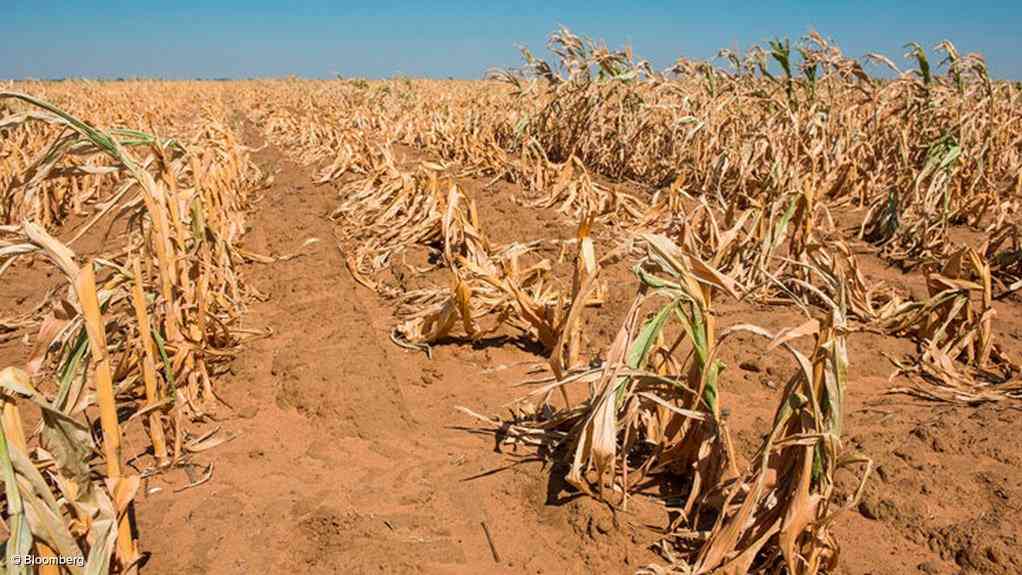
With a staggering 88% to 94% probability of an El Niño event for the 2026/27 season, Zimbabwe is staring down the barrel of a familiar, climate-loaded gun.
For an economy finally showing signs of a pulse—with growth projections for 2026 hovering around 5%—this is more than a weather report; it is a systemic threat.
The fragility of the gold-backed ZiG means that a 65% chance of below-normal rainfall could easily translate into economic contraction if not managed with surgical precision.
Agriculture remains the spine of Zimbabwe’s GDP, and when that spine bends under the heat of drought, the entire body politic feels the pain.
We are facing a potential "perfect storm": reduced agricultural output will likely force the government to divert scarce foreign currency toward food imports, cannibalizing funds meant for infrastructure and industrial growth.
The mining sector—the current engine of export recovery—is equally vulnerable.
Gold and lithium extraction are water-intensive; if dams fail, operational costs will skyrocket as production hours are slashed.
- Awards target married couples
- Awards target married couples
- Sibanda living his writing dream
- Climate change forces Zim to finally take up irrigation
Keep Reading
This creates a lethal feedback loop: lower exports weaken the currency, which in turn makes the necessary food imports even more expensive.
In the cities, the crisis moves from the balance sheet to the tap.
For residents of Harare and Bulawayo already enduring erratic supplies, the MSD’s note that "atmospheric conditions could change" is a luxury of uncertainty they cannot afford.
Aging, overburdened infrastructure cannot handle dropping reservoir levels.
We are not just discussing dry taps, but the resurgence of waterborne diseases like cholera and typhoid.
In urban settings where families already recycle every drop just to flush a toilet, the MSD’s recommendation for "climate-resilient practices" feels increasingly detached from reality.
Zimbabwean resilience has a breaking point. As the formal economy stutters, we expect a massive pivot back to the informal sector.
In rural areas, the farming community will likely sell off livestock to survive—a desperate gamble when pastures turn to dust.
In the cities, "bullet-hole" budgeting will become the norm, with families stripping away every non-essential cost to afford the basics.
While the MSD warns against "panic-driven decision-making," for a mother watching the price of bread climb, panic is simply another word for preparation.
Although the ZiG brought stability in early 2026, food inflation remains the most volatile variable.
If local harvests fail and regional Sadc neighbors suffer simultaneous droughts, grain prices across southern Africa will surge.
The MSD has identified August 2026 as the month for a "definitive national outlook". Until then, Zimbabwe is in a precarious waiting game.
However, "climate-resilient" rhetoric must be backed by action: the rapid scaling of irrigation and a ruthless prioritization of water infrastructure.
The "spring predictability barrier" mentioned by scientists offers a glimmer of hope that the models might be wrong.
But hope is not a policy.
If Zimbabwe is to avoid economic collapse in 2026/27, it must spend the next three months preparing for the worst while praying for the rain the data says isn't coming.
The economy is shaking and the clouds are thinning; the question now is whether our leadership is as resilient as the people they serve