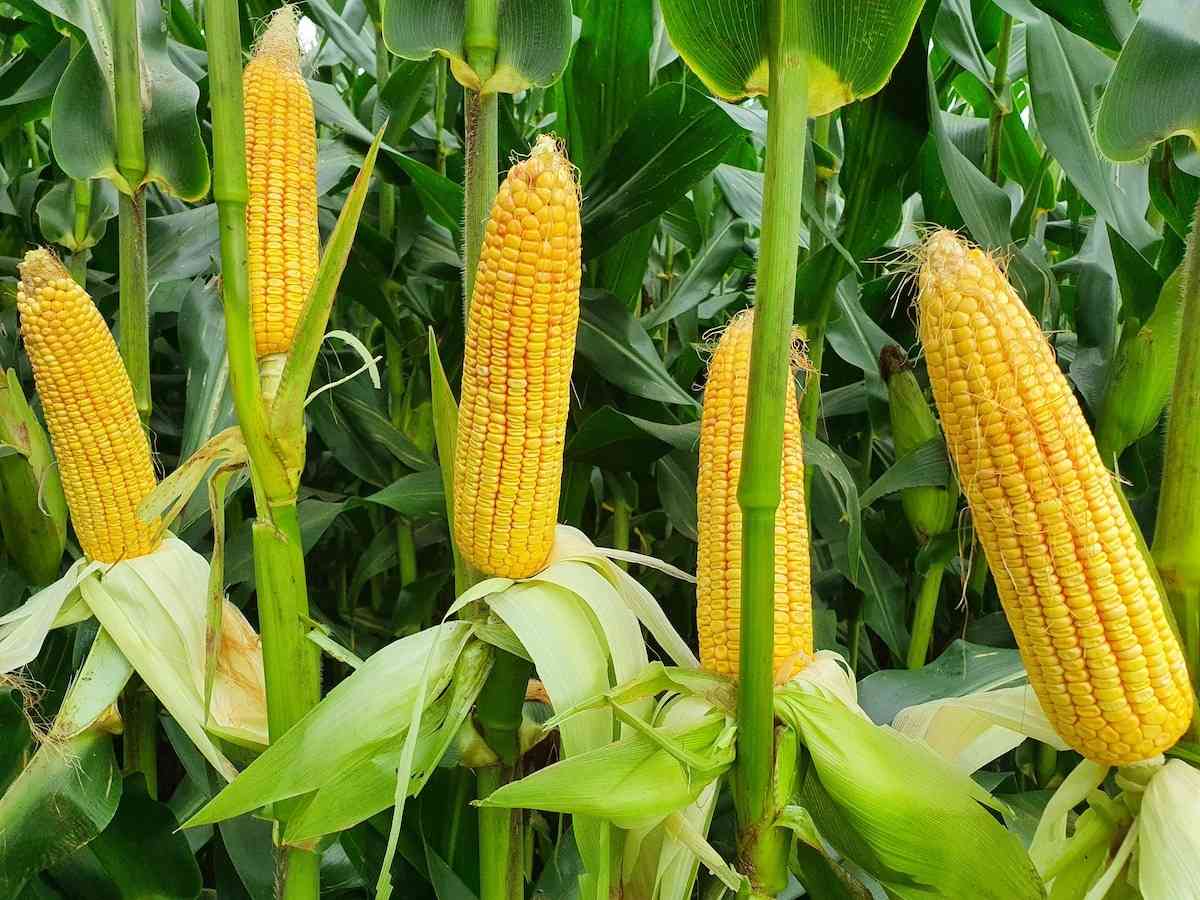
AS Zimbabwe enters another maize farming season under the shadow of unpredictable rains, farmers are turning to hybrid seeds and Pfumvudza to secure their livelihoods and strengthen national food security.
Climate change has been a main topic of discussion in the world over the past years.
Climate change refers to long-term shifts in temperatures and weather patterns.
Such shifts can be natural due to changes in the sun’s activity or large volcanic eruptions.
The results of climate change include global warming, drought and low or no rainfall.
Zimbabwe has been experiencing climate change for a number of year, which has severely impacted the country’s weather patterns, such as rising temperatures and decreased rainfall.
These impacts are hindering the attainment of sustainable development goals (SDGs) in Zimbabwe which include SDG1 of eradicating poverty, SDG 2 of eradicating hunger and SDG 3 of promoting good health and wellbeing of people (Frischen et al, 2020).
Maize farming is highly affected by abnormal climate events such as heat waves and droughts.
- COP26 a washout? Don’t lose hope – here’s why
- Out & about: Bright sheds light on Vic Falls Carnival
- COP26 a washout? Don’t lose hope – here’s why
- Out & about: Bright sheds light on Vic Falls Carnival
Keep Reading
Increasing temperatures can accelerate growth and shorten the growing season, potentially reducing productivity.
Climate change exposes the farmer to high risks and creates associated challenges such as low yields, diseases and inability to meet the national food requirements.
The agricultural sector accounts for around 30% of the national GDP, with maize making up 14% to 17% of the agricultural GDP, meaning a fall in maize production will eventually reduce the GDP by a significant amount.
It is in view of the above that our attention was caught on the benefits of Pfumvudza and hybrid seeds as responsive strategies approaching climate change challenges.
In response to climate change challenges, several agricultural companies, which include Seed Co Zimbabwe, have introduced maize hybrid seeds.
Hybrid seeds will lessen the period of maize maturation and has high yields.
This will not stress farmers if the rainfall season quickly ends as they demand low rainfall and also quickly mature.
In addition, some of the hybrid seeds can also be planted during the winter season, which has seen some communities planting maize throughout the year in Zimbabwe, increasing productivity levels and thereby also contributing to the growth of the country’s GDP.
In general, most hybrid seeds are drought resistant and cold weather tolerant.
Maize hybrid seed provides farmers with varieties that contain improved genetics, which have high yield potential, improved resilience and reduces poverty.
I encourage maize farmers to use hybrid seeds as a way of tackling climate change this season.
Pfumvudza, meant to boost production, involves the utilisation of small pieces of land and applying the correct agronomic practices for higher returns.
Pfumvudza maximises productivity per unit area, even during drought periods, to ensure household and national food and nutritional security.
With our current situation in Zimbabwe, Pfumvudza has proven to be the best system to adopt as it is less expensive for rural farmers.
According to Fungai Mavesere et al (GeoJournal, 2023), implementation of Pfumvudza in the 2020/21 cropping season in the Munyarari ward 20 area in Manicaland province was aimed at addressing problems of low yields and making households more resilient to climate shocks so as to ensure food security.
Farmers who undertook the Pfumvudza programme witnessed an increase in yields compared to previous years, hence the positive role played by the farming model as a resilience strategy against drought impacts.
To add on, those who did not undertake Pfumvudza got lower yields.
When it comes to Pfumvudza, farmers are encouraged to adhere to all recommended practices so that they can get more yields.
Non-governmental organisations and donors should help by providing funding to enable farmers to undergo further training and learn Pfumvudza practices, provision of inputs so as to support resilience.
The government should distribute inputs on time well before the first rains to avoid inconveniencing farmers.
I encourage maize farmers to make use of the Pfumvudza concept as it is cheap and has a greater positive impact on the productivity levels.
Through the combined adoption of hybrid seeds and Pfumvudza, Zimbabwe’s maize sector can move towards climate resilience, food security and increase the country’s GDP, thereby achieving the much-touted Vision 2030, which seeks to see Zimbabwe becoming an upper-middle-income society by 2030.