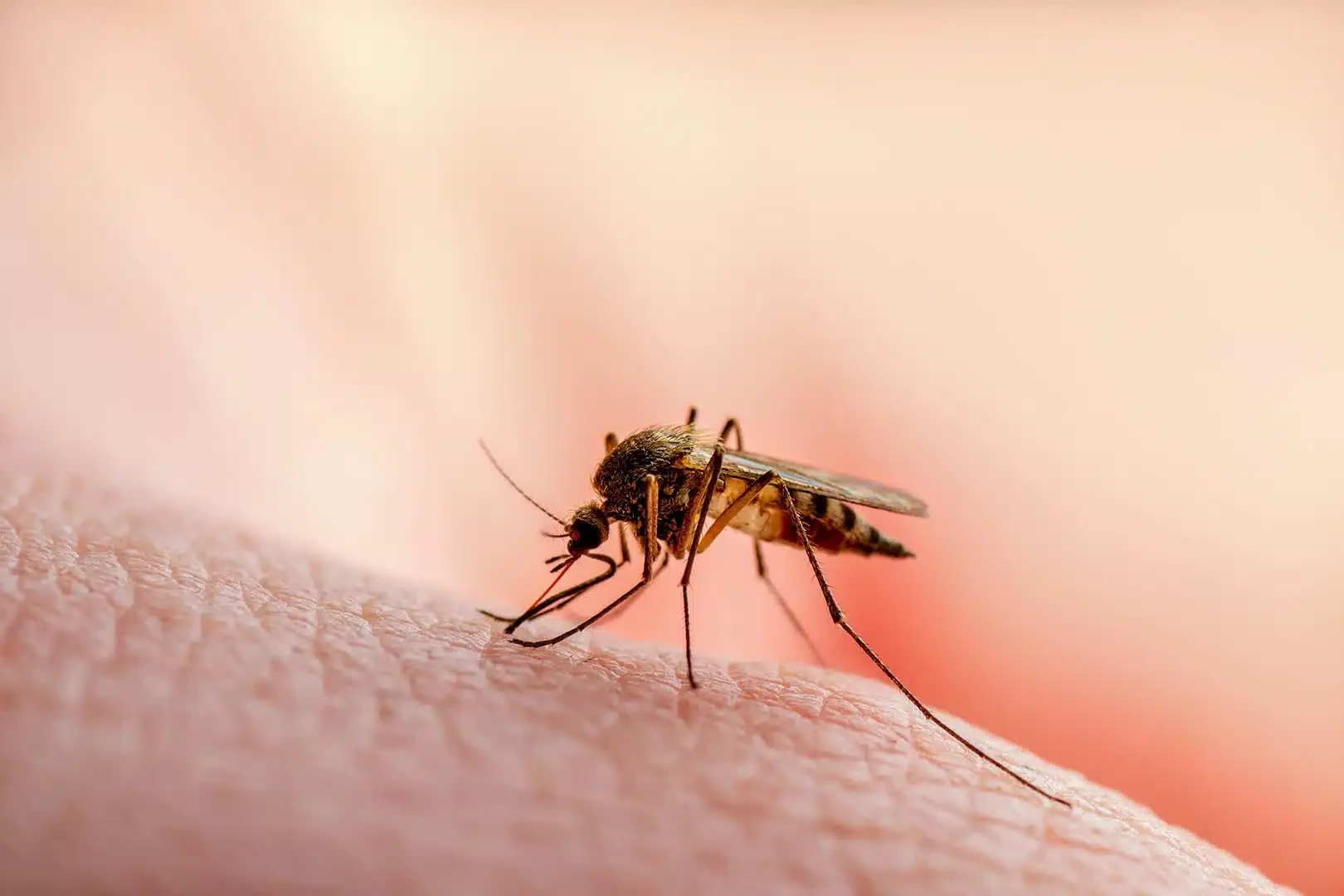
MASHONALAND West province is facing critical shortages of frontline malaria medicine and therapeutic nutritional feeds at the height of a worsening outbreak that has claimed five lives and pushed cumulative malaria cases to 1 203 since January 2026.
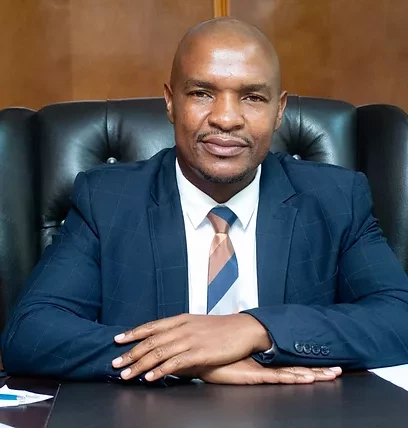
Internal memorandum dated February 9, 2026, issued by provincial medical director Celestino Dhege reveal that the province has run out of key Artemether/Lumefantrine 20mg/120mg blister packs, the standard treatment for uncomplicated malaria in patients weighing between 5kg and 25kg.
“The province is currently experiencing shortages of Artemether/Lumefantrine 20mg/120mg blister packs of 12 tablets and 16 tablets, which are used in the management of uncomplicated malaria in patients weighing 5kg to 25kg… ,” Dhege wrote.
Health facilities have been directed to temporarily use 24-tablet adult blister packs for eligible patients, strictly following prescribed dosing guidelines.
The shortages come as malaria infections continue to rise across the province.
In a separate memorandum issued the same day, Dhege also confirmed shortages of F75 and F100 therapeutic feeds — specialised nutritional formulations used to manage complicated severe acute malnutrition.
“The province is also experiencing a shortage of F75 and F100 therapeutic feeds used in the management of complicated severe acute malnutrition due to current supply chain constraints.
- Malaria fight disrupted by COVID pandemic: WHO
- Malaria fight disrupted by COVID pandemic: WHO
- Co-operate to curb malaria, Mash West farmers urged
- Vaccines could be a game-changer in the fight against malaria in Africa
Keep Reading
“This situation requires immediate adaptation to ensure continuity of care for affected patients.”
Hospitals have been instructed to locally prepare therapeutic feeds using available ingredients in line with Integrated Management of Acute Malnutrition guidelines.
Nutritionists and dietitians are required to supervise preparation to ensure safety and quality, while clinicians have been advised to prescribe multivitamin therapy to help to mitigate micronutrient deficiency during the interim period.
“Hospitals are instructed to prepare therapeutic feeds using locally available ingredients following the recommended formulations in the Integrated Management of Acute Malnutrition guidelines,” the statement read.
Most provinces seem to have been heavily affected by the shortage, as sources in Mashonaland Central say the situation is dire in the province.
Community Working Group on Health director Itai Rusike said the situation was worsened by “funding shortfalls”.
“Funding shortfalls, especially after the funding withdrawal by the United States government, are jeopardising the significant gains that the country has made against malaria over the last 20 years,” he said.
Health ministry spokesperson Donald Mujiri could not confirm or deny the magnitude of the shortages, saying they are going to issue a statement on the matter.
Health experts said the shortages raised serious concerns given the link between malnutrition and increased susceptibility to severe malaria, particularly among vulnerable populations.