THE recent announcement by the Public Service, Labour and Social Welfare minister, Edgar Moyo, that all civil servants will receive a Special Presidential Bonus of US$150, has stirred mixed feelings across the nation.
On the surface, the gesture may appear as an act of appreciation — a symbolic nod to the men and women who keep the machinery of the State running.
But beneath the veneer of generosity lies a troubling question: Is this really enough? Can US$150, split into two instalments of US$75 for November and December, meaningfully cushion the hardships faced by public servants in an economy that is visibly suffocating its own workforce?
In a country where the cost of living continues to soar and where inflation has become an ever-present menace, such a payout risks being seen less as relief and more as tokenism.
The government’s message, though wrapped in the language of gratitude — “to provide festive season relief and recognise dedicated service” — is hardly comforting to a teacher who cannot afford basic groceries or a nurse struggling to pay rent.
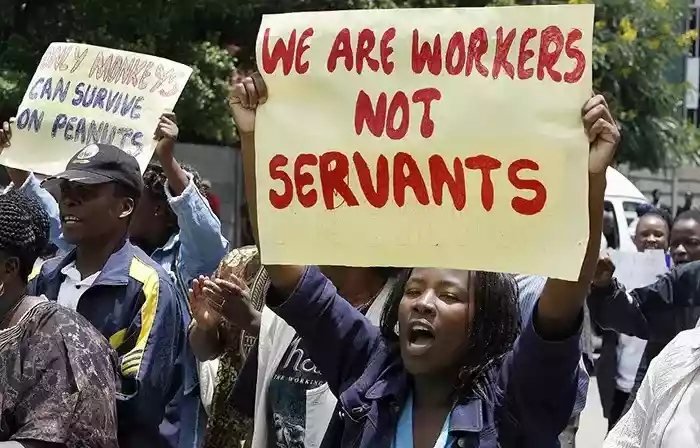
Many of these workers have endured years of salary erosion, collapsing social services and workplace conditions that have stripped them of dignity. For them, this “special” bonus may feel more like a consolation prize in a long and exhausting game of survival.
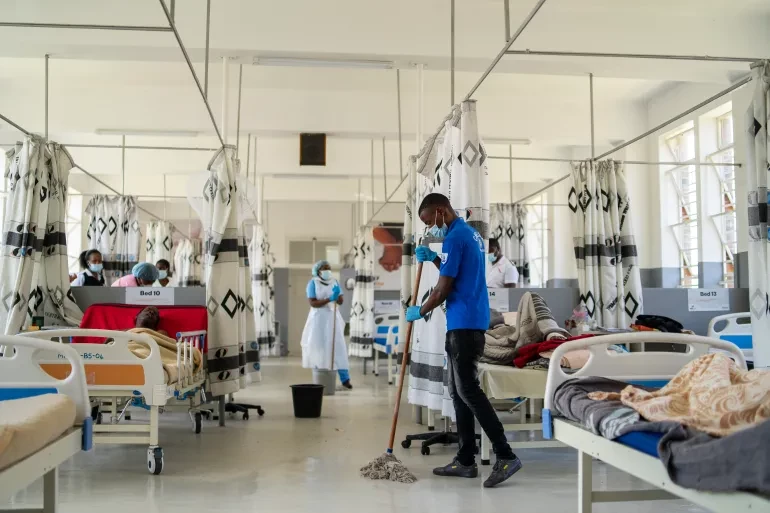
The civil service forms the backbone of national functioning. It is the teacher who nurtures the next generation, the nurse who stands guard over the sick, the administrator who ensures the continuity of public systems.
Yet, despite their pivotal role, civil servants have persistently been undervalued. Many have left for greener pastures, their expertise now enriching foreign economies while Zimbabwe grapples with chronic staff shortages in critical sectors.
- In the groove: Has inflation hit the music markets?
- Zimbos snub Zec voter registration programme
- Govt must restore dignity to civil service
- In the groove: Has inflation hit the music markets?
Keep Reading
This brain drain is not accidental — it is the predictable outcome of years of neglect, low pay and demoralising working conditions.
The government’s promise to implement a Job Evaluation Remuneration Framework in early 2026 and restore vehicle rebate is commendable on paper.
Similarly, plans to recapitalise the Premier Service Medical Aid Society (PSMAS) and promote home ownership through 26 000 housing stands in Harare and Bulawayo sound visionary.
But one must ask whether these promises will translate to tangible realities or remain well-rehearsed rhetoric. Zimbabwean workers have, over decades, heard countless pronouncements of reform and welfare improvement. The fatigue from unfulfilled promises is palpable.
A one-off bonus, however well-intentioned, does not address the structural decay of the public service.
Real motivation is rooted not in sporadic handouts but in consistent, fair and livable remuneration. The average civil servant today earns a wage that barely meets monthly transport costs to and from work.
How then can we expect high productivity, patriotism or commitment when survival itself is a daily negotiation?
As the adage goes, “A hungry man cannot serve diligently.” Poor remuneration inevitably breeds poor service delivery — a reality that no amount of patriotic rhetoric can disguise.
If the government genuinely seeks to revitalise its civil service, the solution lies in sustainable economic reforms and a genuine revaluation of labour. Other nations have demonstrated that good governance and investment in human capital yield powerful dividends.
For instance, Rwanda, through its merit-based pay reforms and performance-driven public sector, has managed to cultivate a disciplined and motivated bureaucracy. Botswana’s consistent investment in civil service salaries and benefits has fostered stability and loyalty among workers, contributing to its reputation for administrative efficiency. Zimbabwe could borrow from such models — tying pay to productivity, ensuring transparency in promotions and building systems that reward diligence rather than political allegiance.
Beyond pay, however, the conversation must also include broader national equity. The civil service cannot thrive in isolation when the general population remains trapped in joblessness and poverty.
Unemployment, especially among youth, is a ticking time bomb that no temporary cash intervention can defuse. Government should, therefore, expand focus from welfare gestures to sustainable economic empowerment — revitalising industry, promoting small-scale enterprises and creating an environment where hard work translates to tangible rewards.
But perhaps the most crucial reform lies in confronting the cancer of corruption.
The same week that this US$150 bonus was announced, reports emerged of individuals siphoning millions from State coffers — money that could have gone towards improving hospitals, schools and public service wages.
It is hard not to feel insulted when honest workers, whose taxes sustain the State, are tossed crumbs while a privileged few feast with impunity.
A nation that tolerates corruption effectively robs not only its Treasury but also its moral authority. The battle for fair remuneration must, therefore, be fought alongside the battle for ethical governance.
Zimbabwe is a nation rich in minerals, fertile land and human potential.
The irony is painful: a country blessed with vast resources yet plagued by chronic shortages of decency in leadership priorities. The US$150 bonus, though perhaps intended as a kind gesture, risks becoming a symbol of how little the State truly values its workforce.
Civil servants do not need charity; they need justice. They do not require one-off “festive season relief”; they need predictable, dignified and fair earnings that reflect the weight of their contribution.
In the end, the question is not whether the government can afford to pay more — it is whether it can afford the consequences of not doing so.
Disillusioned civil servants cannot build a nation. Motivation does not grow from gratitude speeches or token payments; it flourishes in fairness, respect and genuine support. As the government celebrates its “commitment” to improving welfare, it must remember that real commitment is not declared in Press conferences — it is demonstrated in policy, practice and priorities.
Zimbabwe’s public servants have kept the nation ticking through adversity, economic collapse and political uncertainty.
They deserve more than symbolic gestures; they deserve a future that respects their labour and restores their faith in the system they serve.
Until then, the US$150 may ease a few festive expenses, but it will not silence the deeper discontent that echoes across ministries, schools and hospitals.
The time for empty gratitude is over — what Zimbabwe needs now is courageous reform, ethical leadership and an economy that rewards its builders.