FOR many, the dental clinic is synonymous with anxiety and pain.
This common fear often originates from a lack of understanding of the causes of dental pain and the procedures designed to stop it.
Some associate the pain with the root canal procedure, some associate it with certain types of foods.
For example, every time after eating sweets or drinking cold water, you might feel an excruciating pain, hence you stop eating these foods yet still the pain persists.
Therefore, you start wondering: what really is causing the pain and what should I do about it?
It could be that you may have used some pain relievers, but still the problem did not stop because this was only a band aid solution.
Therefore, what is the solution?
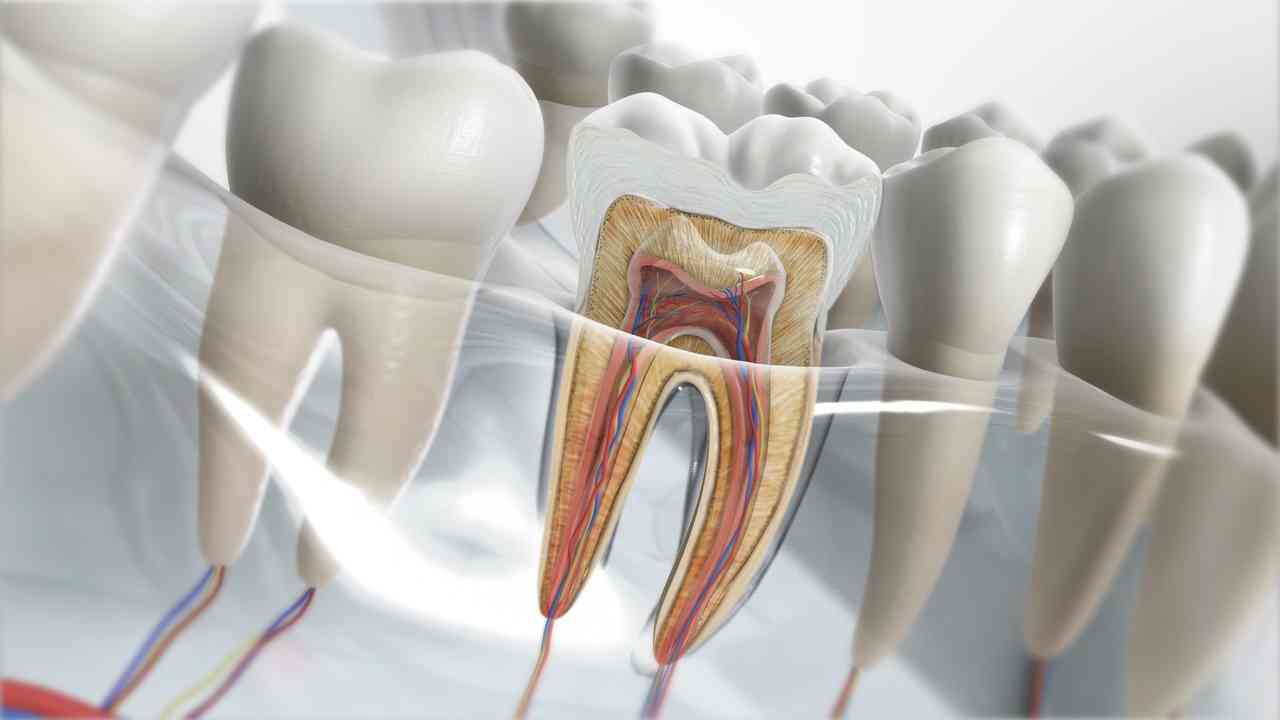
The tooth structure is made up of three layers the enamel, the dentin and the pulp.
- Govt repairs X-ray machine 4 years on
- Zimgold unfazed by SA imports
- Dental health negation in formative years later shows up as skewed teeth, low self-esteem
- Most causes of toothache preventable
Keep Reading
The pulp is the soft living tissue inside the tooth, it is usually referred as the nerve of the tooth because it is the only part of the tooth that has sensation.
Without the pulp, you will not feel any temperature changes, or have any feeling at all on the tooth.
Infection and pressure to the pulpal nerves due to inflammation is what causes the pain.
This is the reason why painkillers do not suffice; they do not treat the cause.
The only way to get rid of this pain is through the removal of infected nerves by a dentist.
The pulp is deep within the tooth.
It is not visible from the outer layers.
We can only assume that it is inside after the dentin continuing to the roots of the tooth where it extends as canals.
Even dentists can only visualise it through an X-ray machine, which helps with a definitive diagnosis, indicating the extent and the infection.
One root can have two canals or more and the tooth can have many roots (maximum of three) depending on the type of tooth, which explains the cost variation as well as the duration of the operation.
What causes the infection to reach the pulp?
Infection can only reach the pulp if there is a connection between the tooth and the outward environment (the mouth), be it through a deep decay/cavity or a crack on the tooth that can make it easier for the decay to travel quickly.
Myths associated with root canals to be debunked
Some say the pain is caused by the dentist when killing the nerve
This is often said by people who have had a bad experience with a dentist before.
For sure, back in the day, pain control during dental procedures was quite rare, hence patients felt the pain from the drilling to the extraction of the last nerve which was, indeed, unbearable.
However, now there are many methods to control pain during a root canal procedure.
The root canal procedure is aimed at getting rid of the pain rather than causing it.
Pain after the procedure means it failed
Before every root canal procedure, dentists explain to the patient about the treatment plan and how it will occur.
Usually, root canal treatments are done in two appointments, sometimes they can extend to three, depending on how severe the case is.
After a root canal procedure, when the patient leaves the clinic, they may feel nothing due to anaesthetic.
After the numbness is gone, you will begin to experience something called post-operative
pain.
It is just some discomfort due to the natural inflammation healing process in the bone and ligaments around the tooth’s root.
It’s similar to the soreness you may feel after a deep muscle massage.
Pain is from the tooth itself ‘hurting’
The tooth’s nerve in the later stages of the disease, which is frequently dead at this point, is not the source of the pain in the later stages of infection.
Inflammation and pressure in the bone and tissues surrounding the root tip cause intense, throbbing pain.
This pressure has nowhere to go when an abscess (a pocket of pus) forms, making it extremely painful to bite down or simply touch the tooth.
The root canal procedure relieves this pressure by removing the source of the infection inside the tooth, allowing the bone and tissue around the tooth to heal.
It’s better to just pull the tooth to avoid the pain
Although an extraction may appear to be a more straightforward and conclusive procedure, it frequently results in additional issues.
Almost always, a root canal is the best approach to save your original tooth.
A natural tooth permits optimal chewing function and preserves the health of your jawbone.
When a tooth is extracted, it may cause biting issues, chewing difficulties and movement of neighbouring teeth.
Compared to a root canal and crown, replacing a lost tooth with an implant or bridge is much more expensive and time-consuming.
In conclusion, the root canal procedure is the solution to tooth pain not the cause.
The real pain is not in the dentist’s chair, it is in the infection that makes the chair necessary in the first place.
Therefore, the dental clinic should not be the last place you think about when you experience any form of toothache but rather the first.