GOVERNMENT’S decision to recruit only 2 000 teachers this year has triggered concern among education stakeholders, with unions warning that the move barely scratches at the surface of a deepening staffing crisis crippling Zimbabwe’s public schools.
During a recent Parliamentary question-and-answer session, Public Service minister Edgar Moyo admitted that while government wishes to fully staff schools, financial constraints continue to stand in the way.
Moyo said recruitment of teachers and other civil servants remained dependent on Treasury allocations and the country’s fiscal capacity.
He said Treasury had only availed resources for the recruitment of about 2 000 teachers this year.
“This year, the Ministry of Primary and Secondary Education was to employ about 2 000 additional teachers. I am sure the recruitment is currently ongoing and that may not be enough, but that is what Treasury has provided for,” Moyo said.
However, teachers’ unions say the figure is insignificant compared to the scale of the crisis unfolding in schools across the country, particularly in rural areas where teacher shortages have become severe.
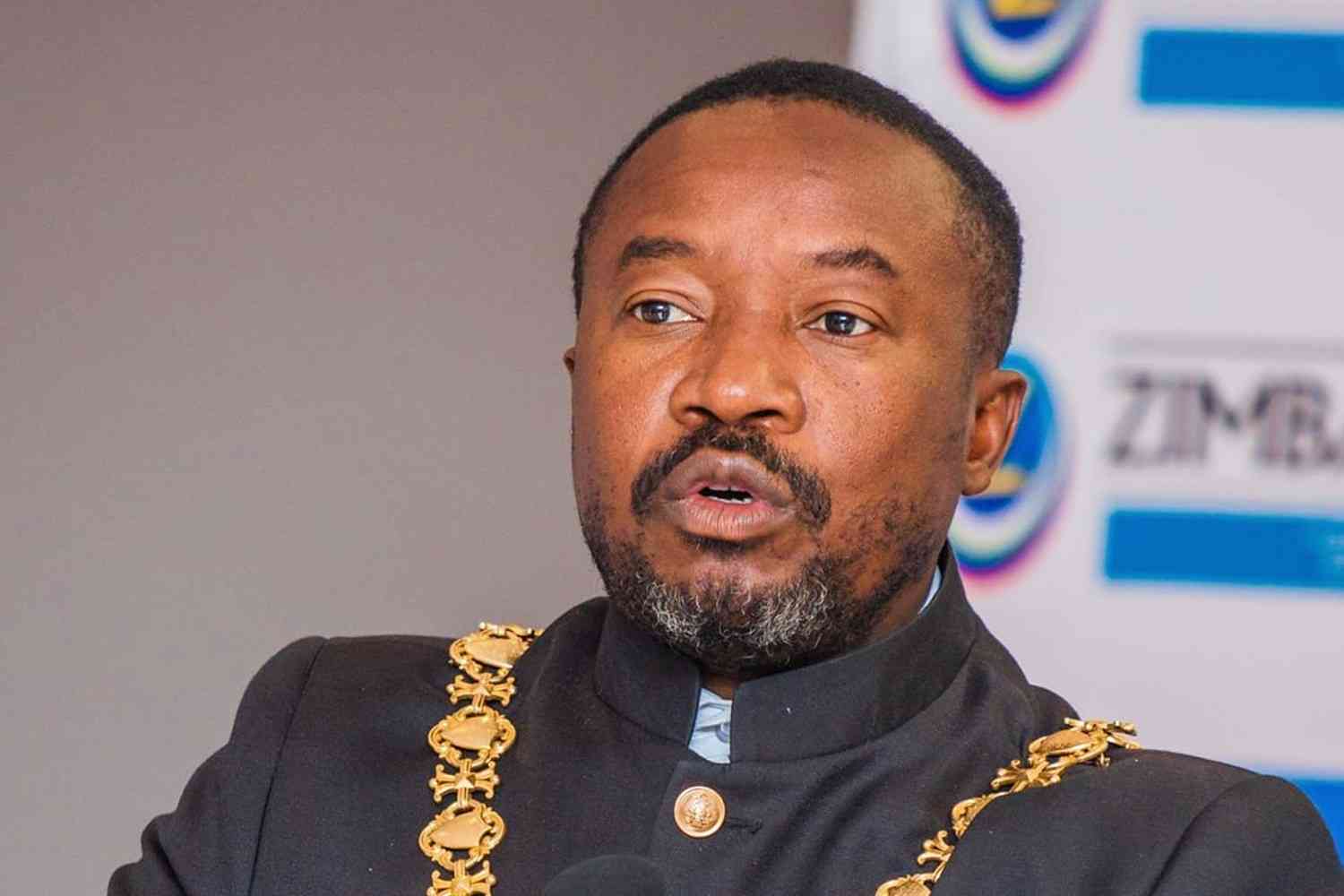
Amalgamated Rural Teachers Union of Zimbabwe (Artuz) spokesperson Thembakuye Moyo said Zimbabwe required nearly 90 000 teachers to adequately address the current staffing deficit.
“The number to be recruited is an insignificant 2,22%. The said recruitment is but a psychological band-aid for teachers,” he said.
- State weaponising law against civil society, CCC
- We’re under siege, says Chamisa
- Mnangagwa under fire over crackdown
- The Mugabe years are back
Keep Reading
According to Artuz, the teacher-pupil ratio in public schools averages 1:45, above the recommended ratio of 1:20 for Early Childhood Development classes and 1:40 for primary schools.
In some schools, a single teacher reportedly handles more than 60 learners, while others are forced to teach composite classes involving two grades simultaneously.
Moyo warned that the shortages were compromising the quality of education, particularly in marginalised rural communities.
“The shortage of teachers compromises education quality, especially in marginalised rural schools, leading to overcrowded classrooms, high workloads for remaining teachers and poor individual attention for students,” he said.
He added that critical learning areas such as Science, Mathematics and Agriculture were becoming increasingly difficult to deliver effectively because of understaffing and worsening working conditions.
The union linked the staffing crisis to poor remuneration, arguing that low salaries continue to fuel the exodus of trained educators from the profession.
“The few dedicated teachers are poorly remunerated, leading to brain drain. This suggests that the parliamentary-approved recruitment of 2 000 teachers will not improve the shortage but will be replacing those who would have left due to poor wages,” Moyo said.
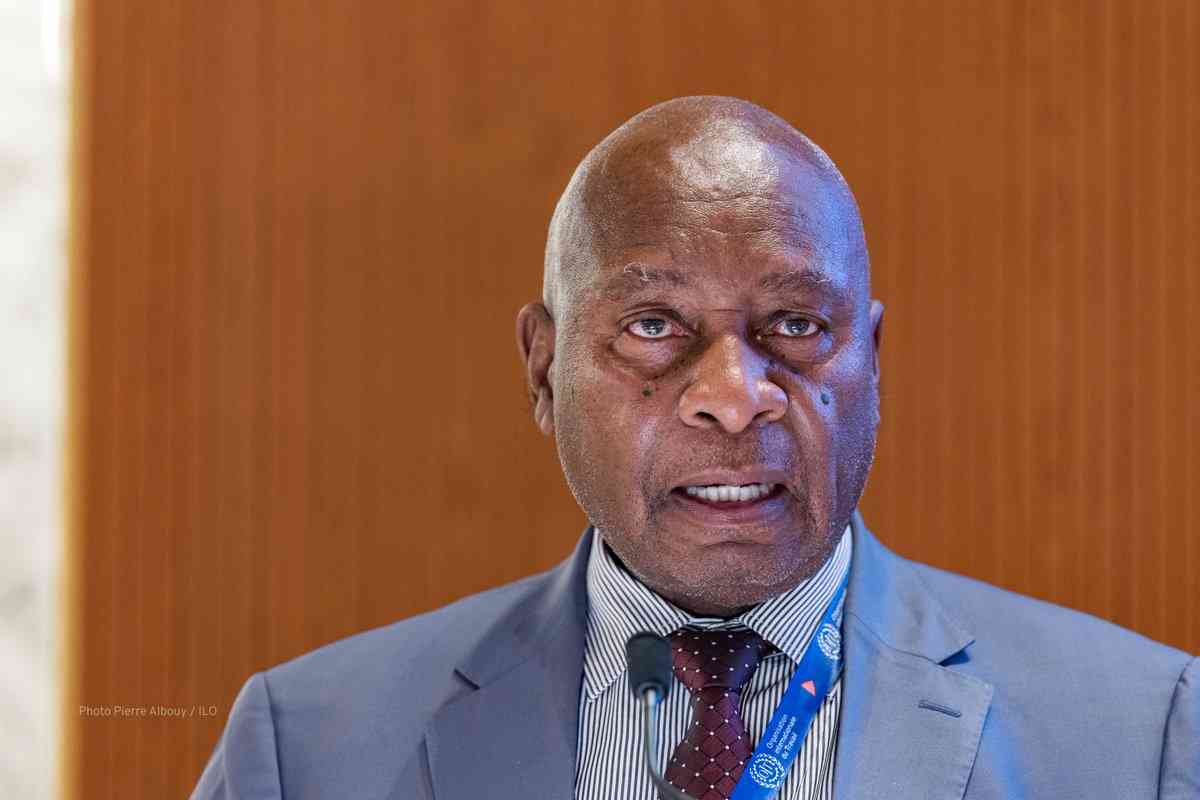
Similar concerns were raised by Progressive Teachers Union of Zimbabwe (PTUZ) president Takavafira Zhou, who said the country was losing approximately 15 000 teachers annually through migration, retirement and death.
“We need 40 000 teachers more, but the recent job evaluation exercise unilaterally carried out by the Public Service Commission put the deficit at 10 000,” Zhou said.
“What is more worrisome with the 2 000 recruitment per year is that we are losing 15 000 teachers per year due to brain drain, death and retirement.”
Zhou painted a grim picture of conditions in schools, saying some primary schoolteachers were handling classes exceeding 60 learners, while others were teaching combined grades because of staff shortages.
“At secondary school level, teachers are handling classes of more than 80 pupils even at Advanced Level, where class sizes should ordinarily average about 25,” he said.
Zhou said the excessive workload left teachers exhausted and unable to adequately support struggling learners.
“Teachers are burnt out, overstretched and cannot concentrate on every pupil’s weakness to give remedial work so that every child can catch up,” he said.
“Teachers must also be able to give work, mark it and provide feedback within a reasonable time, but this becomes difficult with bloated classes and composite classes.”
Education analysts say the staffing crisis threatens the quality of Zimbabwe’s education, long regarded as one of the best on the continent.
A Bulawayo-based analyst said effective learning depended heavily on maintaining manageable teacher-pupil ratios.
“Teachers are the primary instrument in the education system. The teacher-to-pupil ratio is crucial and it has to be optimal for effective learning to take place,” the analyst said.
“If classes are over the recommended limit or where teachers have to take many subjects to make up for staff shortages, education is compromised. Teachers become overwhelmed and dispirited.”
The analyst expressed hope that improved fiscal conditions will allow Treasury to recruit more teachers and ease pressure on overstretched schools.
Zimbabwe’s education sector has for years grappled with persistent teacher shortages, deteriorating infrastructure and poor remuneration, with unions repeatedly warning that failure to address the crisis can have a negative impact on learning outcomes, especially in rural and disadvantaged communities.