VILLAGERS in Zimbabwe's rural areas have accused local authorities of squeezing impoverished households after the introduction of the controversial per-capita development levy that is mandatory for every rural dweller including infants, a move they say is choking struggling families.
For years, the levy was being paid on a per-household basis, with landowners paying on behalf of their families.
However, late last year, villagers were shocked to learn that the structure had changed, requiring payment per individual, regardless of age.
Under the new system, rural district councils are charging between US$1 and US$5 per person, a requirement residents say is unrealistic in communities with large families and limited sources of income.
“This means a household with 10 children is now expected to pay more than US$20,” said one villager who spoke on condition of anonymity for fear of victimisation.
“They are even demanding money for new-born babies. Like in this case, children born on January 1 this year are expected to pay the levy.”
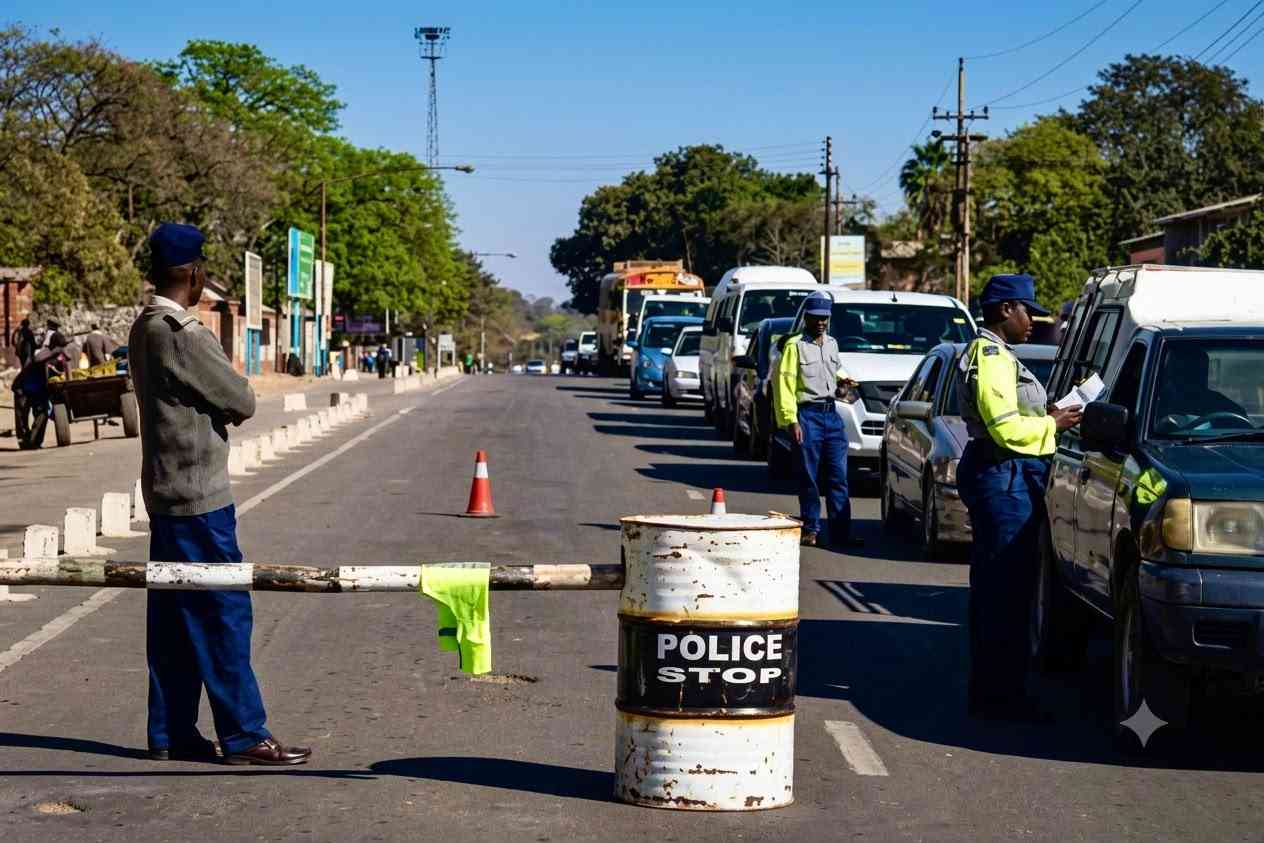
Villagers allege that the levy is being aggressively enforced by village heads and councillors, who they claim compel payment through intimidation.
Residents further allege that local leaders receive commission from the levy, creating an incentive to pressure villagers.
- ‘Israel trying to ignite a religious war in occupied Jerusalem’
- Africa Ahead spruces up 25 healthcare centres in Manicaland
- Lock brothers celebrate success in Colombia
- Hit hard by storms and forest loss, Zimbabweans building stronger homes
Keep Reading
“They move door-to-door demanding proof of payment,” said another resident.
“If you fail to pay, you are threatened with being reported or denied access to community services or other benefits such as food aid and inputs.
“Owing to adverse climatic changes, it's difficult to raise that amount as we rely on agriculture for survival.”
The dispute has sparked resistance in some districts.
In Chikomba, the Rural District Council began collecting the levy last year amid protests from traditional leaders.
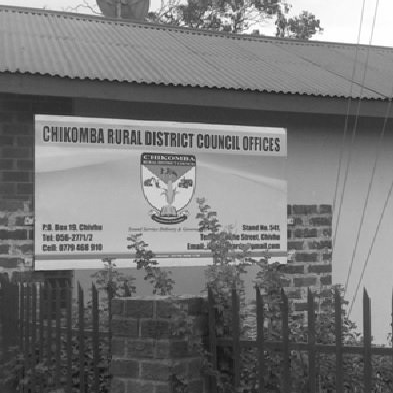
A chief from the district, who spoke on condition of anonymity, told NewsDay that he blocked village heads in his area from collecting the levy, describing the exercise as exploitative.
“It is unheard of that local authorities would extract money from impoverished villagers,” the chief said. “People are struggling to survive. Many rural dwellers are the elderly, who are taking care of their grandchildren, whose parents are away trying to make ends meet.
"They don't have money to take care of such extended families, let alone those hefty levies.”
Local authorities, however, maintain that the levy is lawful and backed by government policy.
Council officials say they were advised to implement the per-capita system in line with section 96 of the Rural District Councils Act.
While section 96 empowers councils to impose development-related levies, it distinguishes a land development levy from a development levy.
The law provides that a land development levy is assessed in accordance with the third schedule or, if directed by the minister, in the same manner as a rate.
In contrast, a development levy may be assessed at a per-capita rate fixed by council, with the approval of the minister allowing councils to set different rates for different classes of heads of household.
In Bikita, the Rural District Council is relying on a March 2024 letter from the then permanent secretary in the Local Government ministry, John Basera, which directed the local authority to adhere to section 96 of the Act.
Bikita RDC chief executive officer Arnold Tapiwa Mutuke said council’s actions were guided by the 2024 budget approval conditions.
“If you check the 2024 budget approval letter, bullet point number two specifies the condition that relates to the legal instrument every local authority is supposed to follow,” Mutuke said. “The section specifies that the development levy is charged per capita.”
However, critics argue that while the law allows per-capita assessment, it does not clearly spell out how such levies should be enforced in practice, particularly regarding the direct charging of minors and the use of traditional leaders as collection agents.
The Association of Rural District Councils of Zimbabwe (ARDCZ) has acknowledged the confusion surrounding the levy, saying its interpretation varies across districts.
ARDCZ secretary-general Matsilele said the definition of a development levy differs from one local authority to another and is often shaped by local practice.
“In most areas, the levy is collected by village heads and, in the local language, it is referred to as mari yemusoro [loose translation of household],” Matsilele said. “A village head may, therefore, interpret it as a levy required per individual.”
He added that the levy varied widely depending on the revenue needs or “cash cow” of each local authority, with charges ranging from US$1 to US$5.
“We need to sit down as local authorities and find a common position,” Matsilele said. “We really should put this on our agenda as we begin this year’s meetings."
Villagers say the levy has not been utilised for development and has instead deepened poverty in vulnerable communities.
“We are paying more, but nothing is changing,” said one resident. “There are no roads, no clinics, no clean water. We are not sure why we have to pay for development that we are not seeing.”