The Zimbabwe National Army issued its latest warning about fake military recruiters on April 29, 2026. Fourteen days later, Military Police arrested Hardlife Nyoni in downtown Harare, allegedly carrying handcuffs and academic certificates, after a job seeker he had tried to defraud reported him.
The sequence was familiar: warning, scam, arrest.
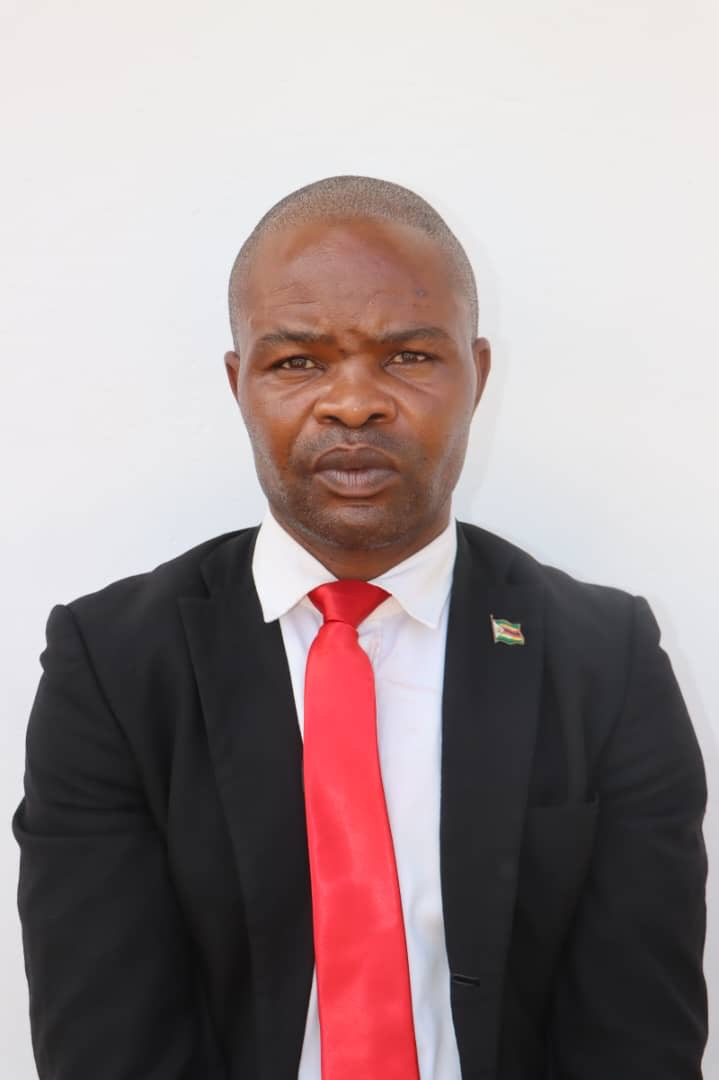
Nyoni, 42, of Waterfalls, works as a general hand at Mkoba Teachers College. He was arrested in Harare’s central business district on May 13 after a tip-off from the public. According to Military Police, Nyoni operated in a WhatsApp group under the alias “General Talent Nyoni,” claiming he was recruiting candidates for the ZNA.
One applicant contacted him, and Nyoni allegedly demanded US$100 to facilitate enlistment, claiming the applicant lacked the required qualifications.
That detail matters. He did not simply promise jobs. He identified a weakness — missing qualifications — and offered to “fix” it for a fee, tailoring the pitch to people already convinced they were at a disadvantage.
The applicant became suspicious and alerted Military Police, who organized a sting operation. A meeting was arranged outside Harare Central Police Station, where Nyoni allegedly expected to collect the money. He was arrested at the scene.
Authorities said Nyoni was found with academic certificates and handcuffs, items investigators believe were meant to project authority and legitimacy.
The handcuffs served no practical purpose in a recruitment transaction. Their role was symbolic: to create the impression that the man across from you had power — and therefore influence.
- Former ZNA captain sues for unlawful detention
- Soldier dies, 3 arrested in robbery shootout
- Military shops for arms in Pakistan
- ZNA member killed over woman
Keep Reading
During questioning, Nyoni allegedly admitted using the same scheme to defraud a second victim of US$200. Authorities have not said whether more victims exist.
Anyone who interacted with “General Talent Nyoni” or encountered a similar scheme can contact the Zimbabwe Military Police on 0712 842 316 or the Army Public Relations Directorate on 0712 905 377.
Nyoni has since been handed over to the Zimbabwe Republic Police at Harare Central. As of publication, no formal charges had been publicly confirmed, and it was unclear whether he had appeared before a magistrate.
ZRP Harare Central and Mkoba Teachers College — now facing allegations that one of its employees ran a military recruitment scam through WhatsApp — had not responded to requests for comment by publication time.
A warning that arrived too late — again
On April 29, ZNA Director of Army Public Relations Col. Hlengiwe Dube confirmed that a fake recruitment advertisement was circulating on social media. Dube described it as the work of “mischief makers” attempting to defraud unsuspecting members of the public.
The army said it had not announced any general duty soldiers’ recruitment for 2026 and does not use social media or third parties for recruitment. It also reiterated that applicants are never required to pay fees.
The warning either failed to reach Nyoni’s WhatsApp group or was ignored.
The pattern is not new.
In 2024, ZNA Director of Public Relations Col. Alphios Makotore warned that criminals were using fake recruitment notices and social media to lure victims, despite repeated army warnings in print and electronic media.
The scam has spread beyond the military.
In late 2025, William Clive Makayi, 31, was convicted by the Karoi Magistrates Court on six counts of fraud and one count of impersonating a public official after posing as a ZimParks game ranger and swindling job seekers out of more than US$10,000. He received an effective 36-month prison sentence.
Makayi allegedly used fake uniforms and recruitment stories to target victims in Magunje, Karoi, Zvimba, Chinhoyi and Harare, directing payments through EcoCash accounts registered in third-party names, including his wife’s.
In April 2026, the Zimbabwe Electoral Commission also warned the public about a fake recruitment notice circulating online. Chief Elections Officer Simbarashe Tongayi said the advertisement was false and unauthorized.
The warnings accumulate. The arrests follow. The cycle repeats.
Why the scam works
Zimbabwe’s unemployment statistics do not fully capture the country’s economic reality. Most working-age Zimbabweans are either in informal employment or outside the labor market entirely, according to data from the Zimbabwe National Statistics Agency.
A government job — whether in the army, parks authority or civil service — offers more than a salary. It promises stability, medical coverage and a pension in an economy where few secure opportunities exist.
For young people without complete qualifications, ZNA recruitment drives can appear to be one of the few available paths forward.
Nyoni allegedly exploited that directly. He told applicants the door was closed because of missing qualifications, then offered to reopen it for US$100.
The amount was low enough to seem affordable, but high enough to make the “favor” appear credible.
WhatsApp also makes the scam efficient. No office, paperwork or printed advertisements are needed, leaving little trace until a victim reports it.
Dube reiterated after Nyoni’s arrest that the ZNA does not use third parties and never charges applicants.
The problem is not the warning itself. It is that official warnings travel through formal channels — newspapers, statements and government websites — while the scam spreads through WhatsApp, reaching vulnerable audiences faster and through platforms they trust more.
What happens next
Nyoni remains in ZRP custody pending further investigations. Prosecutors are expected to determine whether he will face fraud charges, impersonating a public official, or both.
The handcuffs and academic certificates recovered during the arrest are likely to feature prominently in any prosecution, with investigators viewing them as evidence of preparation rather than opportunistic fraud.
A general hand at a teachers college does not carry handcuffs by accident.
Mkoba Teachers College has yet to say whether it knew anything about the alleged activities of one of its employees.
Anyone with information about additional victims or similar schemes can contact the Zimbabwe Military Police on 0712 842 316 or the Army Public Relations Directorate on 0712 905 377.