
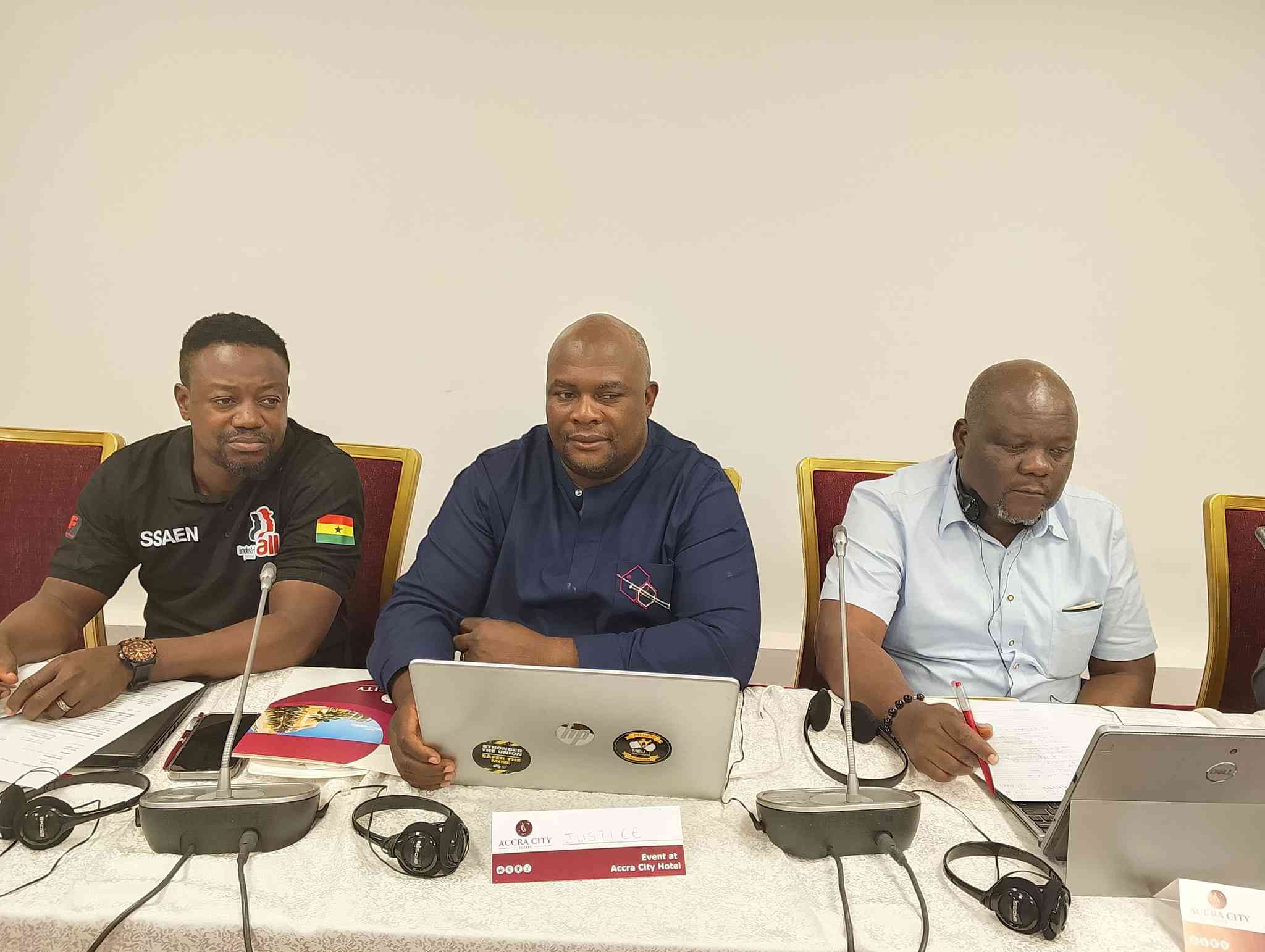
The Zimbabwe Diamond and Allied Minerals Workers Union (ZDAMWU) has called for urgent and structured social dialogue between labour, government and mining companies to safeguard workers as the mining sector undergoes major industrial and climate-driven changes.
The call comes amid concerns that Zimbabwe’s shift towards a green economy — driven by rising global demand for critical minerals such as lithium and platinum — can expose workers to job losses, skills displacement and weakened labour protections if they are excluded from key policy and industrial decisions.
Speaking at the opening of a two-day Capacity Development Workshop on Just Transition, Human Rights Due Diligence (HRDD) and Enterprise-Level Social Dialogue at the Bulawayo Club on Monday, ZDAMWU general secretary Justice Chinhema warned that the global energy transition was reshaping mining operations through automation, restructuring and new climate policies.
The workshop, running from May 11 to 12, is being held under the 2026 IndustriALL–3F Operational Plan and the Union to Union 2026-30 Project Cycle, with support from IndustriALL Global Union, 3F and Union to Union.
Chinhema said the transition, while widely promoted in international policy and corporate circles, carried significant risks for workers on the ground.
“These transitions, often celebrated in boardrooms and at international climate conferences, carry profound and painful consequences for workers on the ground, including job losses, skills displacement, deteriorating occupational health and safety conditions and the erosion of hard-won labour protections,” he said.
The unionist stressed that trade unions cannot remain observers while decisions affecting workers’ futures are made elsewhere.
“The question is not whether the transition will happen — it will.
- RioZim faces corporate rescue
- RioZim bans Decent Work commemorations
- Union petitions Labour ministry over change of workers committee
- Vumbachikwe Mine faces corporate rescue
Keep Reading
The question is whether workers will be at the table when the terms are decided,” Chinhema said.
He acknowledged that ZDAMWU has begun engaging employers and government on the principles of a Just Transition, but said more technical capacity was required to embed enforceable labour protections into collective bargaining agreements and workplace policies.
The workshop is designed to equip union leaders and worker representatives with practical skills to negotiate safeguards such as skills audits, retraining programmes, redeployment plans and job-to-job transfer provisions.
Participants will also explore Human Rights Due Diligence frameworks and supply chain accountability within the critical minerals sector, as well as gender-responsive and youth-inclusive approaches to labour advocacy.
Chinhema urged participants to strengthen their capacity to engage effectively as the sector evolves.
“The transition to a green economy is inevitable.
Whether it leaves workers behind or carries them forward will depend on the strength, preparedness and resolve of this union,” he said.
The workshop brings together union leaders, shop stewards and worker representatives from across Zimbabwe’s mining sector.






