At 4:30AM, Chitungwiza is already awake.
In the dim glow of streetlights and phone torches, silhouettes gather at makeshift ranks, shoulders hunched against the cold, eyes fixed on the road. The day’s first gamble is about to begin: getting to work in Harare’s CBD.
For thousands here, the commute is no longer routine. It is an endurance test — of time, money and patience — shaped as much by a failing public transport system as by roads that are steadily giving way beneath the weight of the city’s expansion.
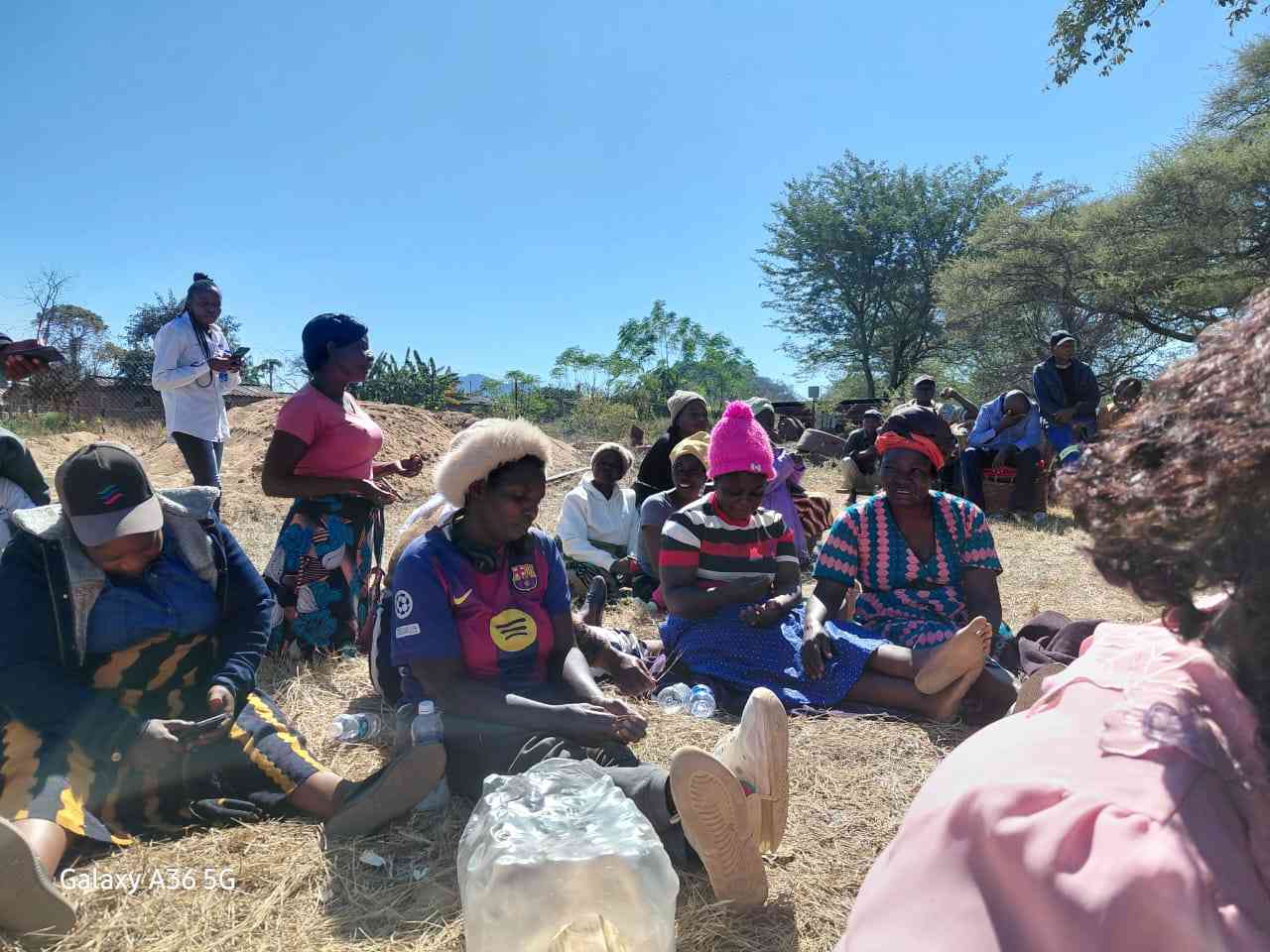
By sunrise, queues have thickened across the dormitory town. Voices rise, tempers simmer. When a kombi finally pulls in, there is a surge — brief, chaotic — then resignation for those left behind.
ZUPCO buses, once seen as a lifeline, are unreliable at best. Their absence has handed pricing power to private operators, and commuters are paying the price: up to US$1.50 for a single trip. There is little room for negotiation when time is already slipping.
“I leave home before my children wake up,” says a domestic worker waiting near Unit L. “But I still get to town late. Every day feels like I’m chasing something I can’t catch.”
The distance to Harare — about 25 kilometres — should be manageable. Instead, it stretches into a punishing crawl that can exceed an hour on a bad morning. The chokepoint is well known: the long, battered stretch of Seke Road between Koala Park and Manyame Bridge.
Here, the city tightens.
- Over 115 to exhibit at Mine Entra
- Young entrepreneur dreams big
- Econet bemoans power outages
- Govt opens ChiTown e-passport centre
Keep Reading
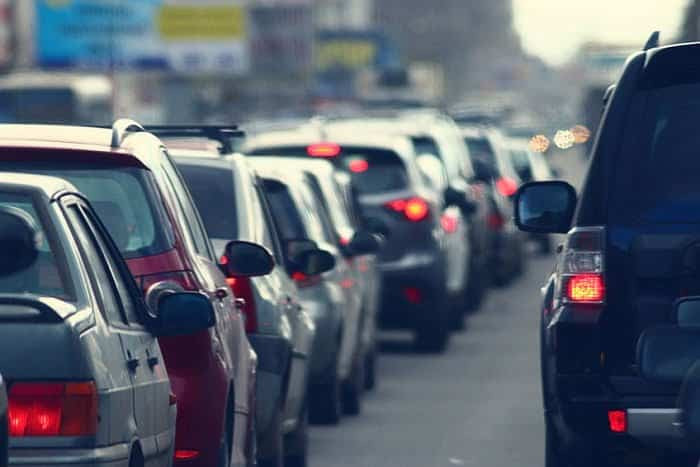
Traffic from multiple Chitungwiza units converges into a narrow corridor scarred by potholes and patchwork repairs. Even where resurfacing has been attempted, the gains are undone by sheer volume. Vehicles inch forward, then stop. Engines idle. Minutes bleed away.
Sometimes the gridlock locks completely — five minutes, ten — without movement.
Inside the vehicles, the mood shifts from anxious to drained.
“You just sit there,” says a commuter near Koala Park, staring ahead at a line of brake lights. “You watch time go. By the time you get to work, you’re already finished.”
For many, the journey is not just physically exhausting — it is financially punishing.
A US$3 to US$4 daily round trip may seem modest in isolation, but over a month it compounds into roughly US$80. For workers paid in local currency or earning modest wages, that figure is not just inconvenient — it is unsustainable.
Transport is no longer a line item. It is a sacrifice.
Meals are skipped. Household budgets are reshuffled. Some walk parts of the journey to cut costs; others simply absorb the loss, because missing work is not an option.
Urban planners and traffic analysts say the system is buckling under predictable strain. Chitungwiza, one of Zimbabwe’s most densely populated residential areas, feeds into a road network never designed for its current load. Incremental road rehabilitation has improved surfaces in sections, but it has not addressed structural bottlenecks — narrow lanes, poorly designed junctions, and the absence of grade separation at key points.
In effect, the road works better — until it doesn’t.
Without expanded capacity or alternative mass transit, every morning becomes a replay of the last: congestion building on congestion, delay feeding delay.
There is talk of solutions — dedicated commuter rail, wider carriageways, smarter traffic management. But for now, those remain distant prospects.
Back at the ranks, the sun is fully up. Another kombi arrives. Another surge forward.
The city is moving, slowly.
And for the commuters of Chitungwiza, the journey to town — long, uncertain, and costly — remains the defining passage of the day.