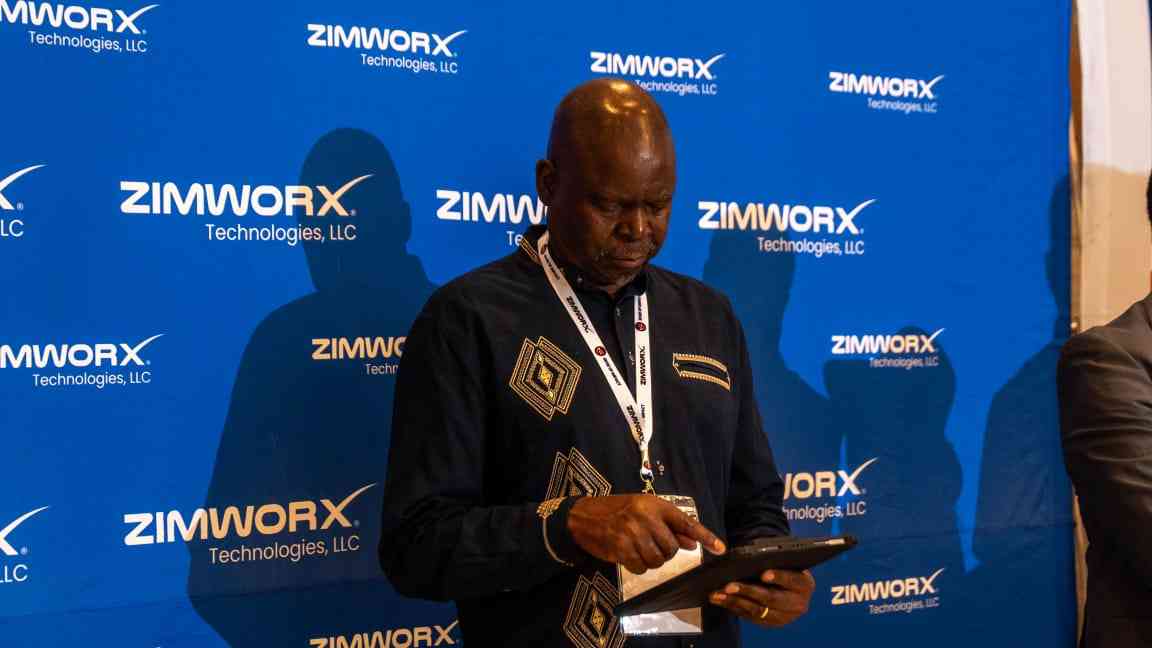
LAST week, on the sidelines of the Zimbabwe International Trade Fair (ZITF) in Bulawayo, I attended an event that should have been memorable for the right reasons. Instead, it became a lesson in the importance of protocol.
The team responsible for handling protocol made a costly blunder. The guest of honour had a unisex name and someone assumed the guest was male when in fact she was not. To make matters worse, the title used in the introduction was also incorrect. What should have been a dignified welcome turned into an embarrassing moment for both the organisers and the audience.
Such mistakes may appear small to outsiders, but in event management, protocol errors are never minor. They are reflections of preparation, professionalism and institutional culture. A protocol blunder is not simply a mistake in pronunciation or seating arrangement; it is a serious breach of established etiquette, ceremony and procedure that can cause embarrassment, reputational damage and sometimes even diplomatic fallout.
Protocol is everything because it represents respect. When we correctly identify a guest’s title, designation and status, we are acknowledging their professional journey and personal dignity.
Calling someone by the wrong title or assuming their gender carelessly sends a message of disregard. It suggests that the organisers did not take enough time to verify basic details. In high-level events, especially those involving top government officials, diplomats, academics or business leaders, such errors can put scar on relationships.
Protocol is also the culture of an organisation. How an institution handles guests says a great deal about how it handles its business. Organisations with strong protocol systems are usually organised, disciplined and detail-oriented. From invitations to seating arrangements, order of proceedings, introductions and dress code, protocol communicates institutional values without saying a word.
In many ways, protocol is silent communication. Before a speaker addresses audiences, before the programme director speaks, before the first handshake, protocol has already spoken. It tells guests whether they are valued, whether the organisers are competent and whether the event deserves seriousness. People remember how they were treated long after they forget what was said.
These issues are not unique to Zimbabwe. Protocol blunders happen across the world. Internationally, there have been incidents where national flags were displayed incorrectly, dignitaries were seated in the wrong order, names were misspelled on official documents, or leaders were introduced improperly. Such moments often dominate headlines more than the purpose of the meeting.
- ZITF Company launches AfriConfex
- Zim must step up to increase exports: UK
- Zanu PF warns fake ED affiliates
- Byo firms take up 21% of ZITF space
Keep Reading
This is because protocol is symbolic power. It protects hierarchy, order and institutional dignity. In diplomacy, for example, seating arrangements can reflect international relations. Who enters first, who speaks first and who is acknowledged first can all carry deep political meaning. In corporate institutions and government departments, protocol preserves structure and avoids unnecessary conflict.
The problem is that many people treat protocol as a minor administrative task rather than a strategic communication function. It is often assigned casually without adequate expertise, yet protocol requires precision, research, emotional intelligence and anticipation. It is not guesswork. It is a discipline.
This is why briefing is critical before every major event. Teams must verify names, titles, pronunciation, positions and personal preferences. Assumptions must never replace confirmation. A simple phone call or email can prevent public embarrassment. Event organisers must understand that protocol is not about pleasing egos; it is about protecting the credibility of the institution.
The ZITF incident was unfortunate, but it was also a reminder. In public relations and event management, details matter.
One incorrect title can overshadow an entire successful programme. One poor introduction can reduce confidence in an otherwise excellent institution.
Protocol may seem invisible when done correctly, but when it fails, everyone notices.
That is why protocol is everything. It is respect. It is order. It is reputation. It is strategy. Above all, it is the difference between an ordinary event and an excellent one. Organisations that ignore protocol do so at their own peril.