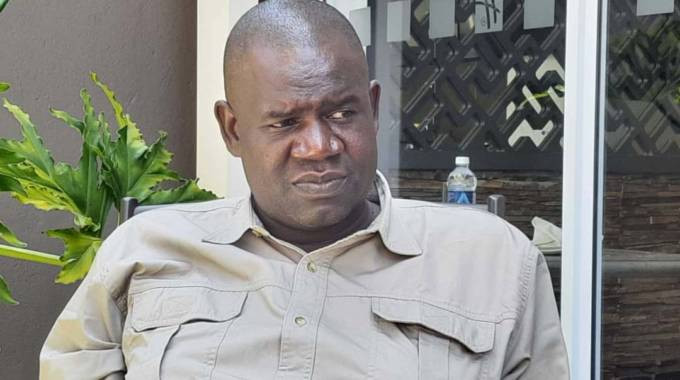
A NUMBER of Members of Parliament (MPs) are skipping parliamentary business, raising concern over dwindling attendance despite the absence of committee meetings and the conclusion of public hearings.
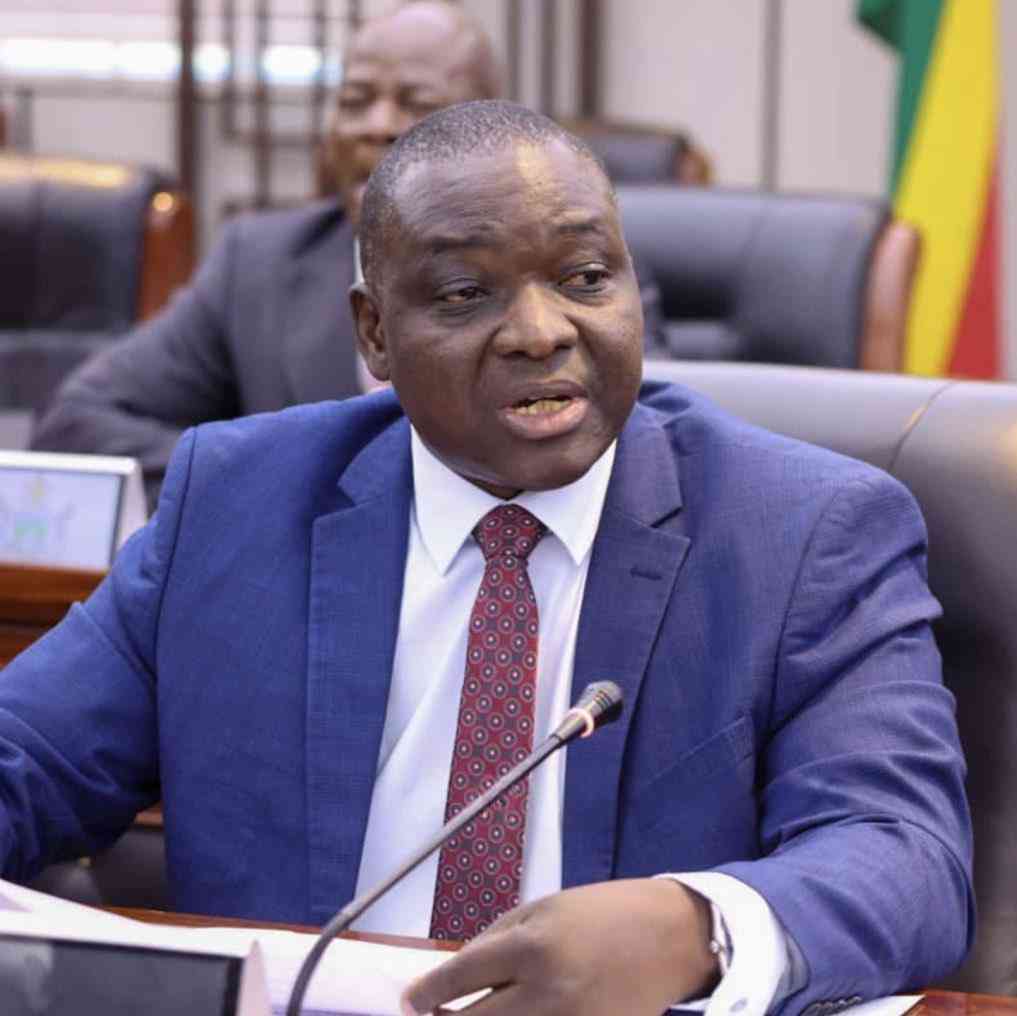
Speaker of the National Assembly Jacob Mudenda expressed frustration over the absenteeism during a sitting on Tuesday, urging chief whips from Zanu PF and the opposition to address the issue.
“I notice that the numbers are not reflecting our actual membership. Chief whips, our numbers are not what they ought to be on both sides. Can this matter be corrected?” Mudenda said.
“I do not want to be drawn into a situation where we have to ask the Sergeant-at-Arms to analyse attendance. There are no committees at the moment and public hearings are over.”
The low attendance has raised questions about MPs’ commitment to parliamentary duties at a time when the Legislature is expected to intensify oversight of government and advance key legislative business.
The concern comes as lawmakers face public scrutiny over a proposed constitutional amendment Bill that could extend their term of office from 2028 to 2030.
Ministers and their deputies have also been criticised for frequently missing Parliament, particularly during question-and-answer sessions.
Section 139(d) of the Constitution allows legislators to question ministers and deputy ministers, while section 107(2) compels the Cabinet members to attend Parliament and its committees to respond.
- Cars up for grabs in batteries competition
- Mthuli grilled over health budget
- It’s time to advocate for national health insurance
- Interview: Turning nurses into entrepreneurs
Keep Reading
Meanwhile, MPs have urged the government to prioritise rural healthcare and maternal health through increased budget allocation.
Mashonaland West legislator Mutsa Murombedzi said health was a constitutional right and central to national development, calling for Zimbabwe to meet its commitments under the Abuja Declaration and the Maputo Protocol.
She urged the government to allocate at least 15% of the national budget to health, in line with the Abuja Declaration.
“Yet in our rural clinics, mothers still walk miles for medication that is not available and children are born into preventable risk,” she said.
“If we are serious about Agenda 2063, the Africa we want, then we must begin with the Zimbabwe we need.”
Murombedzi stressed that rural healthcare and maternal health are critical, adding that failure to invest in the sector undermined national progress.
“A healthy nation is a prosperous nation. No mother must die while giving birth to life,” she said.
African Union member States adopted the Abuja Declaration in April 2001, committing to allocate at least 15% of their national budgets to health.
However, Zimbabwe has consistently failed to meet this target, leaving many public health institutions under-resourced and lacking essential medicines and equipment.