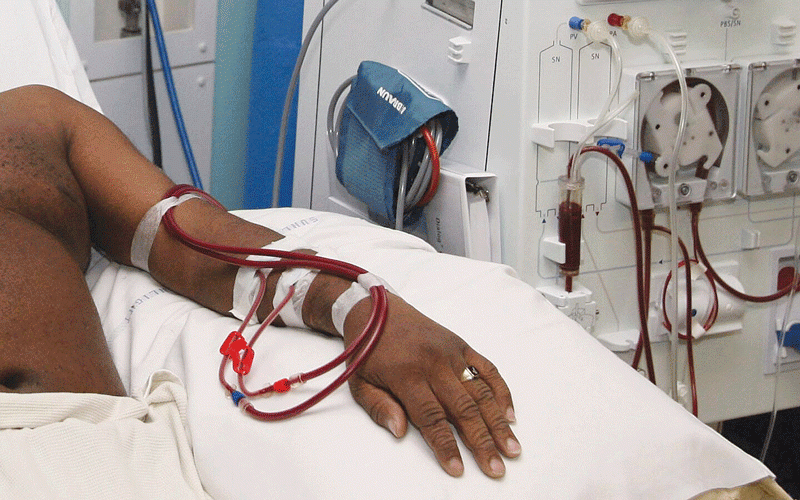
GOVERNMENT is fast-tracking the National Health Insurance Scheme (NHIS) to safeguard essential health services following recent cuts to global donor funding, Health and Child Care minister Douglas Mombeshora has said.
The acceleration of the scheme comes as Zimbabwe’s health sector, which relies heavily on foreign aid — particularly from the United States — faces funding uncertainty that threatens HIV, tuberculosis (TB) and malaria programmes. Authorities say the shift towards domestic financing is urgent to protect critical public health gains.
United States President Donald Trump froze several foreign aid programmes early in his presidency before reinstating some lifesaving assistance, including parts of the United States President’s Emergency Plan for Aids Relief.

However, his administration also halted funding to UNAids, the United Nations’ HIV/Aids programme supporting vulnerable communities globally.
Zimbabwe’s health programmes and interventions are significantly dependent on foreign aid, particularly from the US.
Mombeshora described the funding cuts as a wake-up call for Zimbabwe to strengthen domestic resource mobilisation.
He said the health system had remained resilient despite fiscal constraints and the withdrawal of key donor support, allowing continued provision of essential services, including TB prevention, diagnosis and treatment.
- In Full: Nineteenth post-cabinet press briefing: July 05, 2022
- Hesitancy slows Covid vaccination for children
- Hesitancy slows Covid vaccination for children
- Multisectoral COVID-19 messaging campaign improving prevention and vaccine uptake in Zimbabwe
Keep Reading
“Zimbabwe has strengthened predictable domestic resource mobilisation, including through the Aids Levy and earmarked health-related taxes, which provide funding for priority programmes. To enhance financial protection, Zimbabwe is fast-tracking the National Health Insurance Scheme,” Mombeshora said.
The NHIS seeks to ensure universal access to healthcare in line with section 76 of the Constitution, which states: “Every citizen and permanent resident of Zimbabwe has the right to have access to basic healthcare services.”
Mombeshora warned that rising TB incidence remains a major public health threat, underscoring the need for strong disease surveillance and rapid response systems.
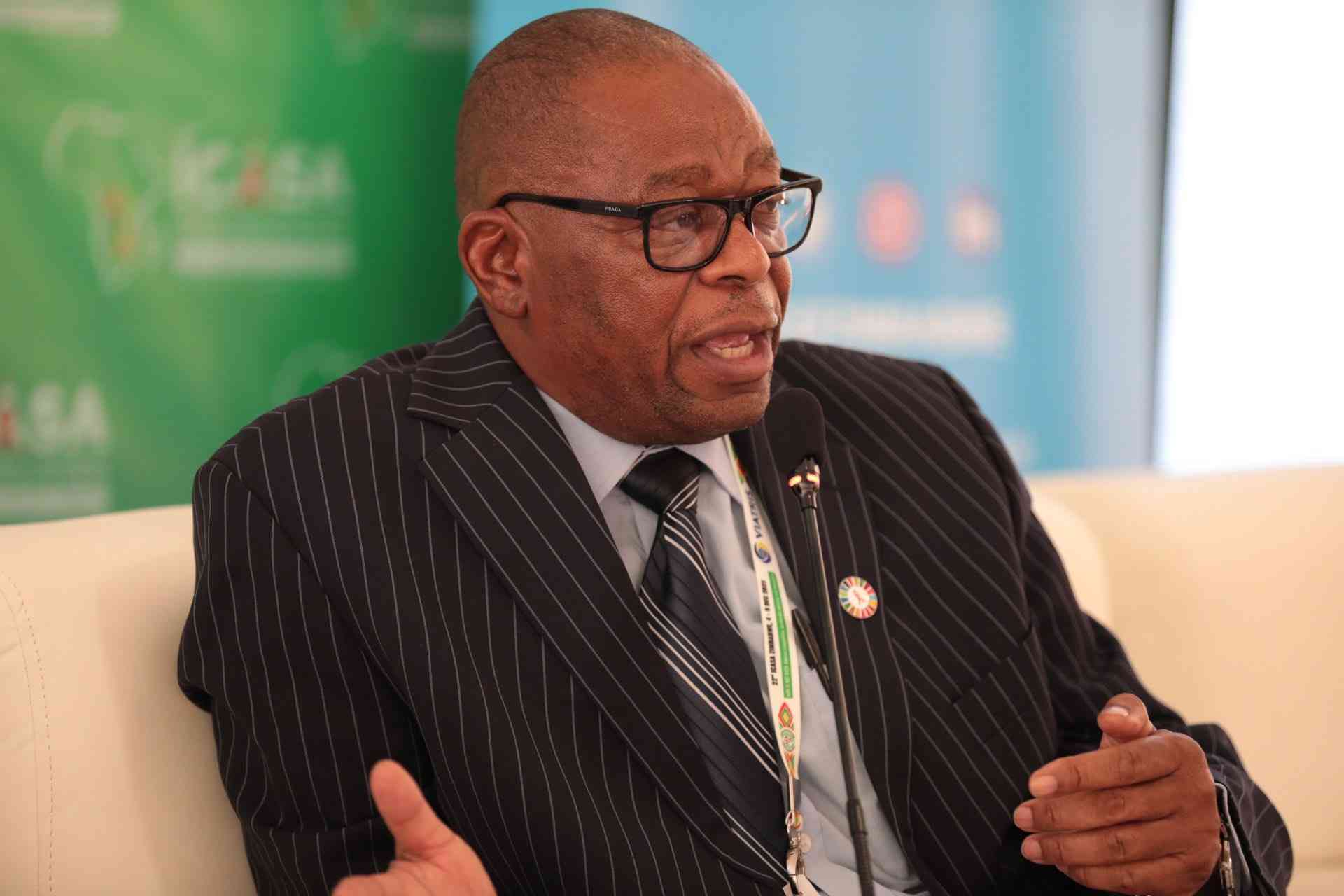
“Public health threats persist, including rising tuberculosis incidence and malaria outbreaks, which underscore the continued importance of strong disease surveillance and response systems,” he said.
Mombeshora said access to essential medicines for TB, HIV and malaria programmes was largely stable.
He said the government would strengthen local procurement and reduce vulnerability to external supply disruptions.
“Access to essential medicines is improving and supplies for HIV, TB and malaria are largely stable. Government is recapitalising NatPharm to strengthen local procurement and reduce vulnerability to external supply disruptions,” he said.
Globally, TB continues to affect millions. In 2021, 10,6 million people developed the disease and an estimated 1,6 million died, making TB the ninth leading cause of death worldwide, ahead of HIV/Aids.
In Zimbabwe, an estimated 29 945 people developed active TB in 2021, but only 16 541 were diagnosed and placed on treatment. Children remain particularly underdiagnosed, accounting for just 6% of reported cases over the past four years.
Mombeshora said the government was intensifying efforts to fight TB through strengthened surveillance, expanded treatment access and sustained investment in health services.