RAPID urbanisation has often resulted in tradition and cultural heritages being forgotten and NewsDay Life & Style reporter Tendai Sauta (ND) took time to talk to Rumbidzai Dihwa (RD), the founder and director of PaNyatsime Heritage and Culture Centre which is located in Zengeza 5, Chitungwiza.
The conversation included Ashley Maganzvo (AM), who co-ordinates communication and explored PaNyatsime, a living space where Zimbabwe’s past is carefully preserved and proudly shared.
Below are excerpts of the conversation:
ND: What inspired your journey into preservation of heritage and culture?
RD: The compelling factor for the establishment of PaNyatsime Heritage and Culture Trust, located at 18592 Zengeza 5, was that the nation’s rich and diverse cultural heritage is under siege owing to the unavoidable twin effects of globalisation and urbanisation.
It was founded in 2018 as a response to lack of culture centres at the time, specifically providing practical lessons supporting the Heritage-Based Curriculum in Zimbabwe.
The centre was established with the aim to contribute towards Zimbabwe’s preservation of her diverse arts and cultural heritage in both tangible and intangible forms.
ND: For readers who may not be familiar with it, what is the historical and cultural significance of PaNyatsime Heritage and Culture Centre?
RD: PaNyatsime Heritage and Culture Centre holds significant historical and cultural values as it acts as a custodian of heritage.
The centre is a platform for artistic expression, promotes Zimbabwean identity and also offers spaces for community engagement.
The centre contributes to sustaining Zimbabwe’s cultural legacy by preserving historical memory, promoting artistic innovation and supporting educational initiatives that enhance national identity and cultural diplomacy.
The centre offers a space to learn, unlearn, relearn, share, enjoy and grow together.
This philosophy is designed for people to use PaNyatsime to discover and rediscover local culture, to unlearn some falsehoods and misconceptions so as to relearn, share experiences while enjoying in the process.
(Turning to Ashley Maganzvo)
ND: Why is PaNyatsime considered an important site in Zimbabwe’s cultural history?
AM: PaNyatsime is an important place in Zimbabwe because it holds several heritage and cultural facilities designed to complement the delivery of the Heritage-Based Curriculum in Zimbabwe through educational tours.
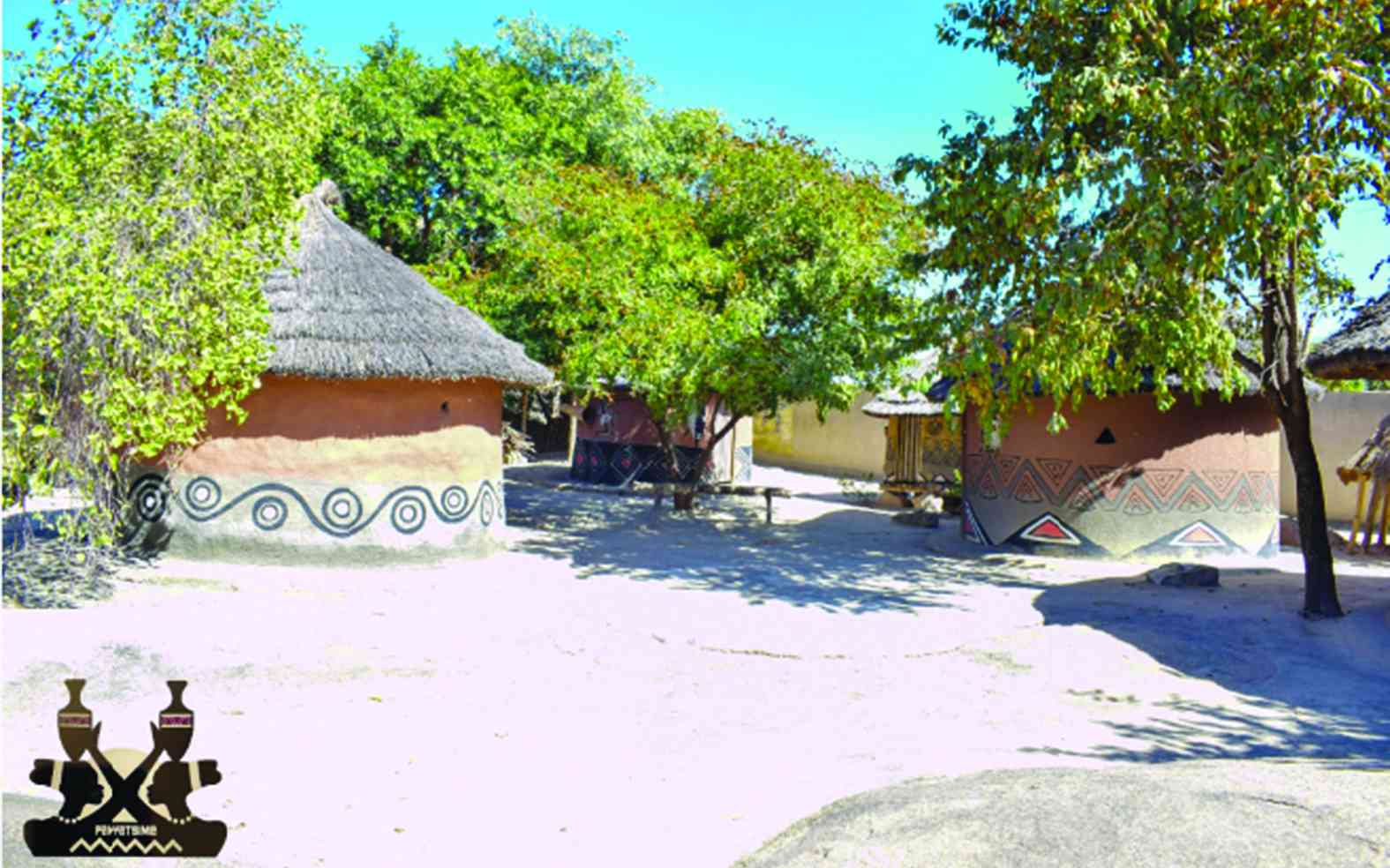
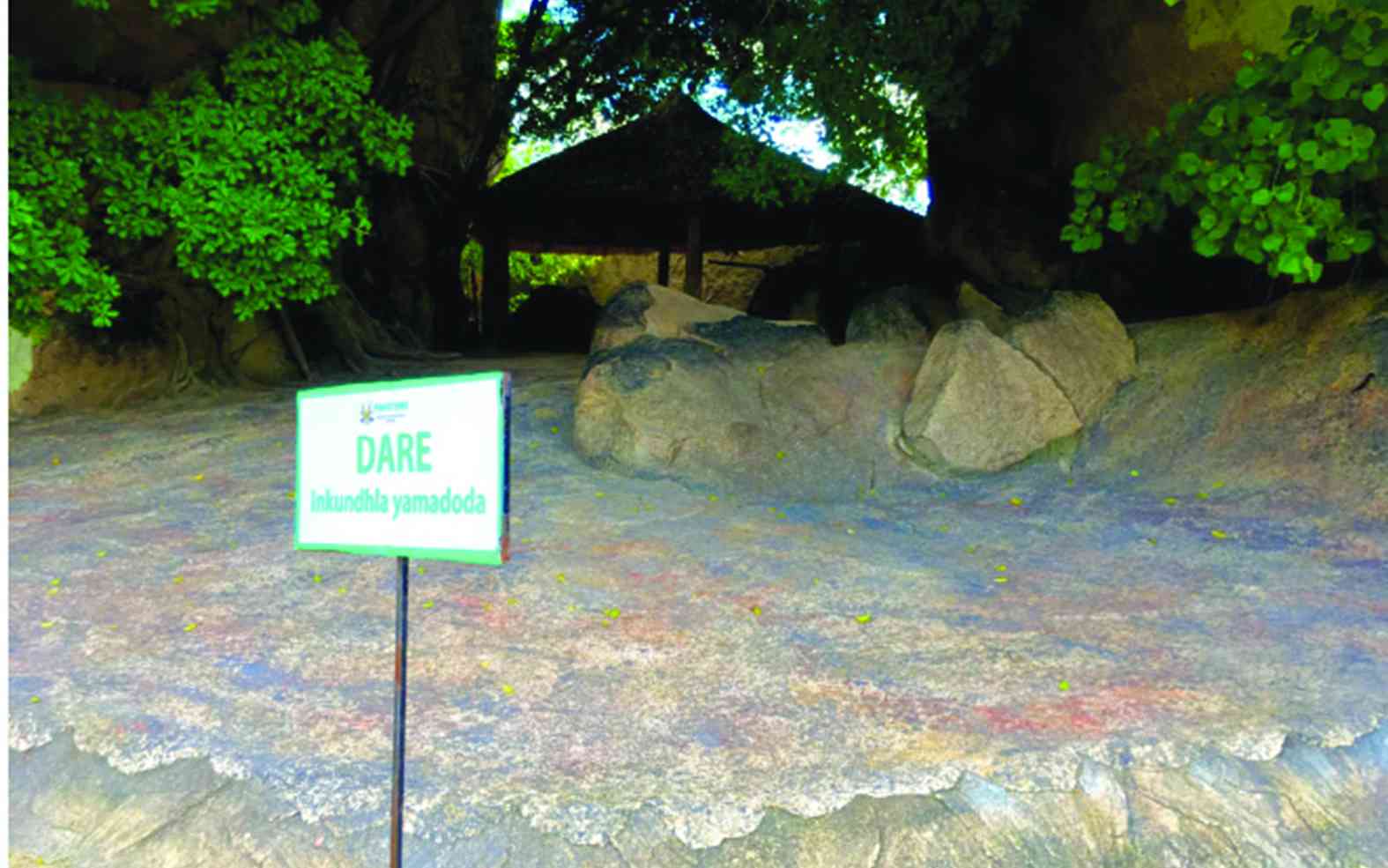
PaNyatsime has a traditional homestead comprising dare, living huts, artefacts, a granary, kraals and games, giving our visitors an authentic traditional experience.
ND: How does PaNyatsime Heritage and Culture Centre contribute to cultural tourism in Zimbabwe?
AM: PaNyatsime Heritage and Culture Centre significantly contributes to cultural tourism by serving as a visitor’s destination that showcases the country’s rich heritage, artistic expressions and historical narratives.
We provide visitors with authentic experiences through exhibitions of historical artefacts and collections, which deepen understanding and appreciation of Zimbabwe’s diverse cultures.
The centre also preserves and promotes indigenous knowledge and cultural practices.
ND: What experiences can local and international visitors expect when they visit the centre?
AM: Local and international visitors should expect to have a cultural tour, which involves going through the setup of a generic traditional Zimbabwean rural homestead.
The homestead comprises of Imba yekubikira (a traditional kitchen), Sikiro (parents’ bedroom), Nhanga (girls’ bedroom), Gota (boys’ bedroom), Dura (granary), cattle and goat kraals, chicken run as well as dare (men’s sitting area).
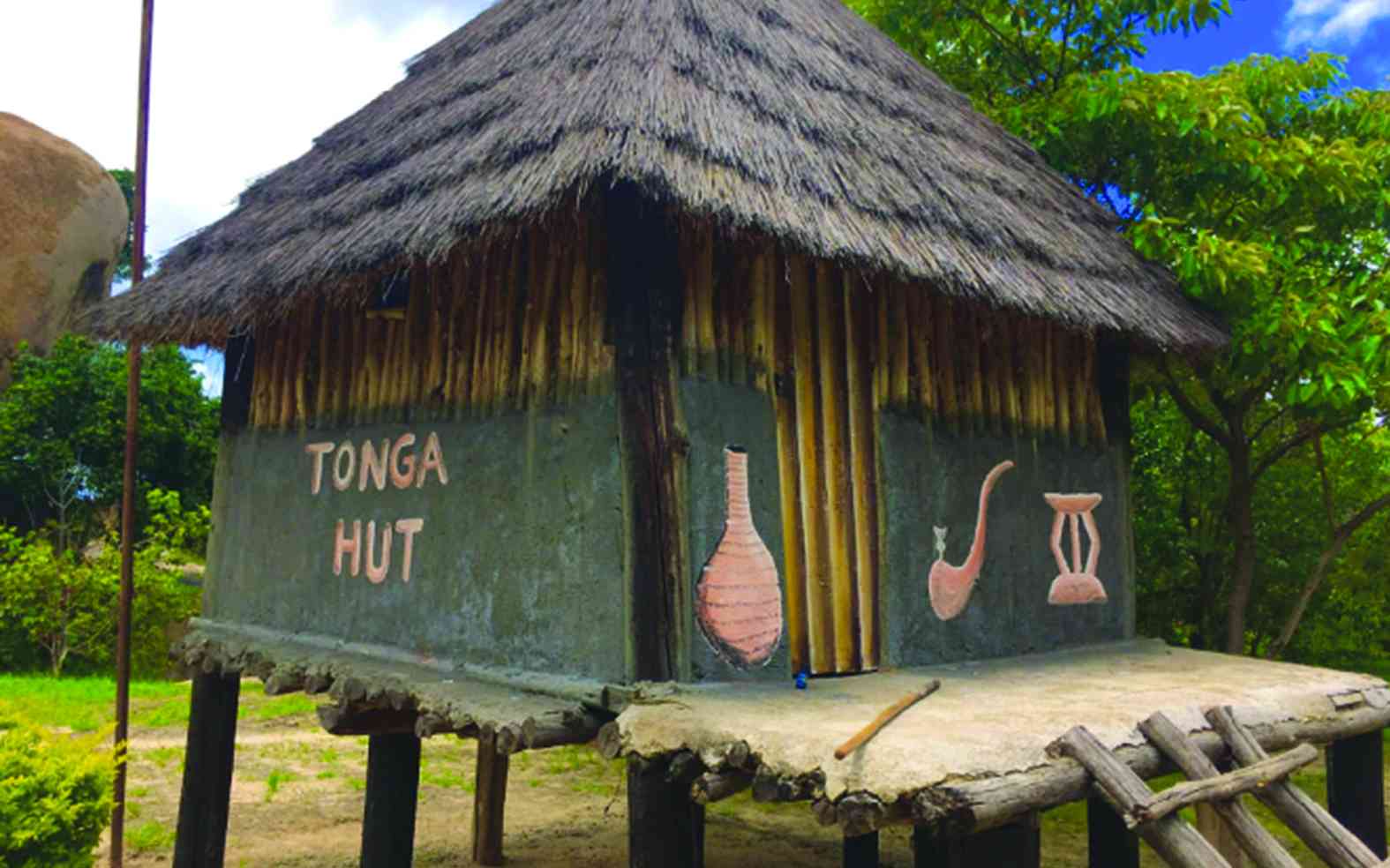
Visitors also play traditional games, engage in nature walks, performing arts, enjoy traditional meals and drinks, as well as other activities such as goat skinning and chicken slaughtering.
(Back to Dihwa)
ND: What are some of the key challenges facing heritage and culture centres?
RD: Chief among challenges faced at culture centres is the absence of a robust funding mechanism as we struggle with limited financial resources to enhance continuous development of activities, programmes and technological adaptation at culture centres. Roads leading to some cultural centres are not in a good state, local authorities should assist to fix such roads for accessibility.
ND: What upcoming projects can the public look forward to?
RD: We are currently working on offering accommodation services to our visitors.
This will enable us to cater for visitors travelling from afar to secure overnight accommodation.
A major project that we are looking forward to is implementing community-based heritage festivals at our centre which will focus on safeguarding, promoting and transmitting living heritage.
(Turning to Maganzvo)
ND: How do you envision the future of PaNyatsime Heritage and Culture Centre?
AM: Our vision is to be the cultural heritage centre of choice in Zimbabwe that empowers local communities and captivates global audiences through transformative experiences that preserve the past and inspire the future.
(In closing, Maganzvo)
ND: Why should Zimbabweans, especially the younger generation take an active interest in places such as PaNyatsime?
RD: Younger generations should secure their cultural identity, foster national pride and drive economic empowerment through tourism.
Engaging with places such as PaNyatsime offers educational, environmental and sustainable development opportunities, ensuring the preservation of history for future generations.