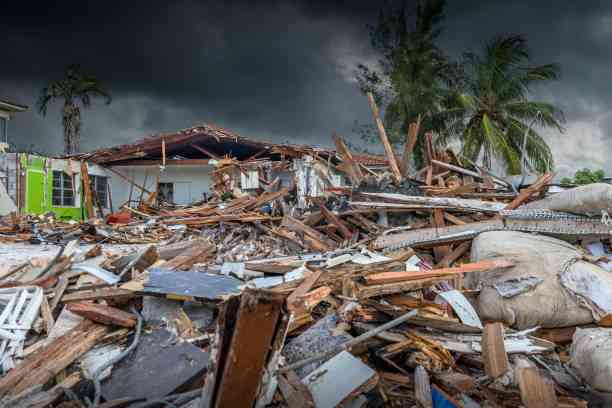
COUNTRIES vulnerable to cyclones, such as Zimbabwe, have been urged to prioritise disaster planning to protect communities, crops, livestock and key infrastructure ahead of a potentially active 2025-26 rainy season.
Zimbabwe is expected to experience tropical cyclones during the season, with the Meteorological Services Department warning communities in flood-prone areas to pay close attention to alerts from the Department of Civil Protection.
A weak La Niña is anticipated, likely bringing normal to above-normal rainfall between October and March, according to the Famine Early Warning System Network.
Latest updates from Agromet’s Disaster and Food Security System show that the South-West Indian Ocean Climate Outlook Forum, held in October, projected a normal to above-normal tropical cyclone season.
“The 2025-26 tropical cyclone season is forecast to be normal to above normal, with 10-14 named storms expected, 5-8 reaching cyclone intensity,” Agromet said.
“Slightly above-average formation is expected north-east of Madagascar with south-westward storm tracks, posing risks to Madagascar, Mozambique, Tanzania, Comoros, Mauritius, Seychelles and potentially Malawi and Zimbabwe if systems penetrate inland.”
Agromet urged coastal and eastern Sadc States to prioritise contingency measures to safeguard lives, crops, livestock and infrastructure. It also called for strengthened early warning systems, community training in cyclone preparedness and improved agricultural extension support to help farmers to protect crops and animals.
The agency warned that excessive rainfall may trigger flooding in low-lying and flood-prone areas, especially where soil moisture and water levels are already high following above-average rainfall in some southern parts of the region during the 2024-25 season.
- Disaster preparedness in the context of the rainy season
- In full: Statement by the Minister of Local Government and public works on the current rainfall season
- Edutainment mix: Artist engagement in climate change awareness
- Global warming abandon capitalism or perish
Keep Reading
“Should heavy rainfall occur, waterlogging may also occur in areas with poor drainage, including flat slopes and heavy soils. Wet, humid conditions also increase the chance of the occurrence of many crop pests and diseases,” Agromet noted.
It advised governments — particularly in Zimbabwe, Botswana, Mozambique, South Africa and Malawi — to enhance early warning systems and boost emergency preparedness for potential flooding.
Agromet further stressed the need for infrastructure protection, pre-positioning of relief supplies, identification of evacuation routes and community awareness campaigns in high-risk areas.
The update also highlighted increased climate-related health risks this season, including cholera outbreaks linked to poor water and sanitation, and malaria surges due to expanded mosquito breeding under wet, humid conditions. It called for strengthened health systems, improved access to clean water, intensified malaria surveillance, distribution of treated nets, indoor residual spraying and preparedness for heat-related illnesses.
Despite the risks, Agromet said the forecast rainfall presented strong potential for good crop production in southern and central areas — provided farmers receive inputs on time and adopt high-yielding varieties and good agronomic practices.
Livestock conditions are also expected to improve with better grazing and water availability, although the wet conditions may increase livestock disease risks, requiring close monitoring.
Agromet warned that although many regions received good rains, several major water sources have shown slow recovery.
“Noteworthy is the Kariba Dam, the main hydropower source for Zimbabwe and Zambia, which, as of 10 November 2025, was at 8,09% of capacity and is forecast by the Zambezi River Authority to come close to the minimum operating level by early 2026, under various operational scenarios,” it said.
Agromet added that while normal to above-normal rains would help to replenish moisture, close monitoring was needed in areas such as south-eastern Botswana and southern Zimbabwe where soil moisture was already high and some dams were close to full capacity due to heavy rainfall in the past season.