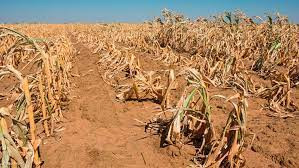
GOVERNMENT has blamed its failure to meet key Sustainable Development Goals (SDGs) on persistent droughts, mounting debt and constrained fiscal capacity.
According to the 2025 Sustainable Development Report, Zimbabwe ranks 137th out of 167 countries with a score of 57,36, indicating that significant challenges remain on the path to 2030.
Globally, the situation is dire, with a UN report revealing that only 17% of SDG targets are on track.
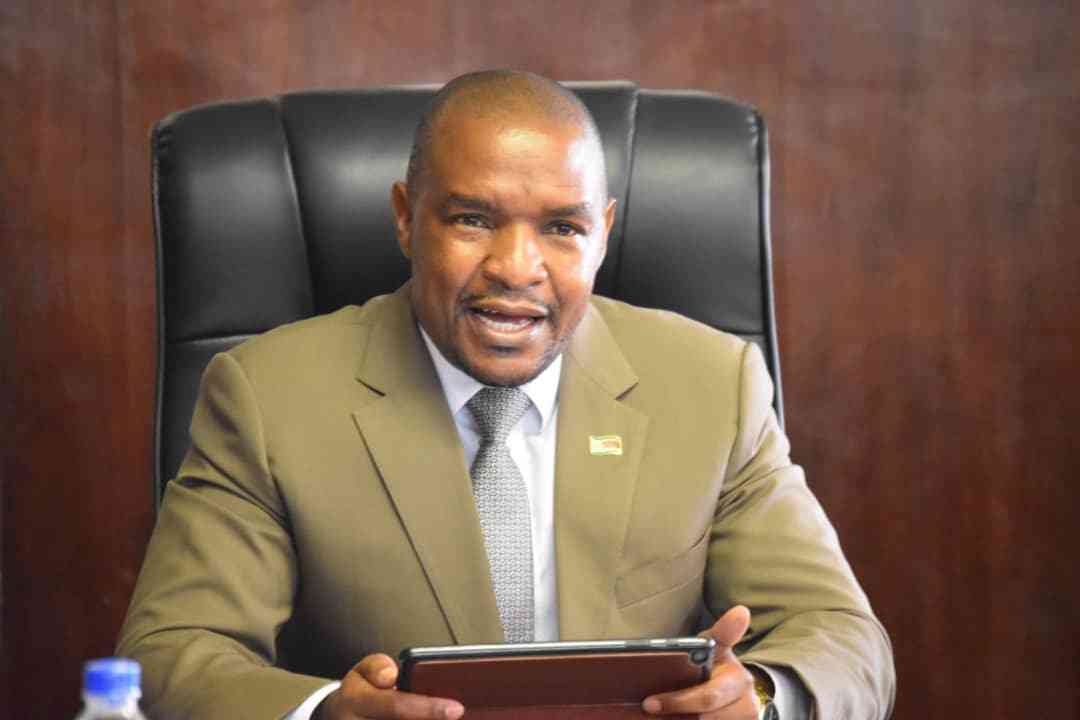
However, deputy chief secretary to the President and Cabinet, Zvinechimwe Churu, said while progress had been registered, implementation was being hindered by several factors.
“Persistent droughts, debt overhang and limited fiscal space continue to weigh on the implementation of key SDGs, particularly those relating to food security, clean water, energy and decent work,” he said during a United Nations SDG steering committee meeting in Harare last week.
A World Bank Zimbabwe Economic Update report highlighted that the country is recovering from an El Niño-induced drought, which has not only affected agriculture but also crippled hydroelectric power generation due to declining water levels in Lake Kariba.
Churu shared several insights that would guide both the next UN Co-operation Framework and the design of the National Development Strategy 2 (NDS 2) to ensure a data-driven and inclusive approach.
He said the SDGs would continue to serve as Zimbabwe’s compass, aligning the country’s aspirations with regional and global agendas.
- Councils defy govt fire tender directive
- Bulls to charge into Zimbabwe gold stocks
- Over 115 to exhibit at Mine Entra
- Bullets shoot down Chiefs
Keep Reading
United Nations resident coordinator, Edward Kallon, underscored the need for a comprehensive SDG acceleration plan that aligns closely with the NDS 2 framework to ensure the 2026-30 period becomes a defining phase for national progress.
“Demonstrable gains are essential and can be realised through expanded public infrastructure, including electricity access, improved quality social services in targeted districts, food and nutrition security and speeding up the national digital social protection registration accompanied by coverage,” he said.
“Furthermore, restoring sustainable access to concessional finance and capital markets on improved terms is vital. These efforts should collectively lead to substantial poverty reduction, enhanced food security and measurable advancements on SDG targets.”
SDGs are 17 interconnected goals designed to address the world’s most pressing challenges by 2030, including poverty.